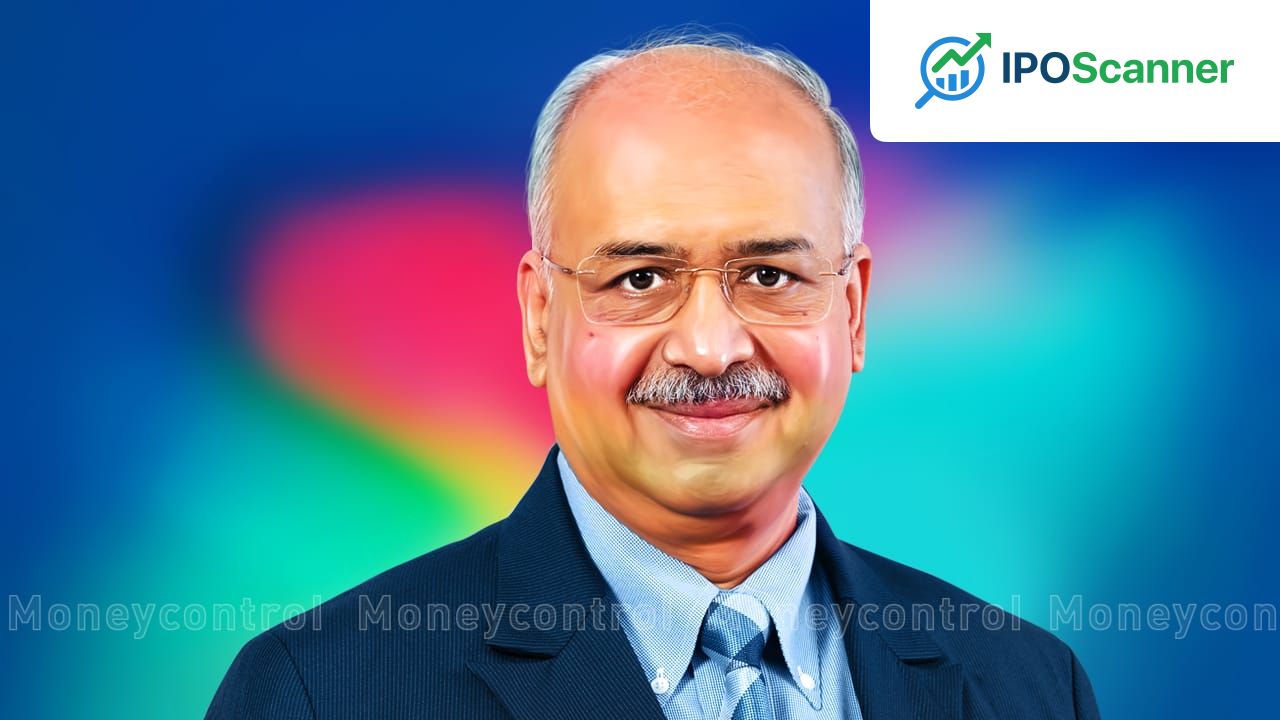
Sun Pharma's Organon Acquisition Presents Biggest Challenge for Dilip Shanghvi
Sun Pharma's $11.75 Billion Acquisition of Organon to Nearly Double Revenue
Dilip Shanghvi, the 70-year-old founder and executive chairman of Sun Pharma, is taking another bold bet with the proposed acquisition of New Jersey-based Organon for $11.75 billion in enterprise value. This deal is expected to almost double Sun's revenue to $12.4 billion and propel India's largest drugmaker into the top 25 global pharma companies.
Shanghvi's track record of making contrarian acquisitions is well-documented. He took bold calls with Taro Pharmaceuticals in 2010 and Ranbaxy Laboratories in 2015, both of which were transformative for Sun Pharma. However, Organon presents a different set of challenges.
Unlike Ranbaxy, which was losing money and had regulatory issues, Organon is profitable, generates roughly $1 billion in free cash flow, and has stable margins. Its problem is growth, which has been largely flat due to a heavy $8.6-$8.9 billion debt burden, net leverage of around 4.3x, and a portfolio dominated by mature brands.
Comparison of Organon's Revenue Streams
| Revenue Stream | Organon Revenue | Sun Pharma Revenue |
|---|---|---|
| Established Brands | $3.15 billion (51%) | $6.8 billion (55%) |
| New Products | $2.35 billion (38%) | $4.2 billion (34%) |
| Biosimilars | $900 million (14%) | $1.4 billion (11%) |
Organon's organisational DNA is shaped by decades under MSD (Merck in the US) and a short, unsettled life as a listed company. Shanghvi does not underestimate the scale of the challenge, likening the deal to the moment Sun Pharma announced the Ranbaxy acquisition.
Growth, not scale, is the bet Shanghvi is making on Organon. He believes that Sun Pharma's execution discipline, honed over four decades, can revive growth in a business that still commands premium branding power, especially in women's health (contraception and fertility) and a firm foothold in the biosimilar segment.
Read also: Treasury Yields Experience Largest Increase in Two Weeks Following Release of Labor Market Data
Reviving growth will require line extensions, focused marketing investment, sharper lifecycle management, and selective in-licensing rather than quick wins. Organon's business mix is heavily tilted toward established brands, many of which have lost patent protection and face multiple generics.
Lessons from Taro and Ranbaxy
Shanghvi's confidence rests on history. Taro, the Israeli dermatology specialist Sun Pharma acquired in stages beginning 2010, was saddled with governance conflicts and operational inefficiency. Ranbaxy came with regulatory baggage, collapsing margins, and a demoralised workforce.
In both cases, Shanghvi resisted the instinct to impose Sun Pharma's systems wholesale. He believes in a two-way learning process, where Sun Pharma will leverage and understand Organon's strength rather than imposing its own approach.
Culture may be Shanghvi's hardest challenge this time. Sun Pharma prides itself on humility, integrity, passion, innovation, and lean operations, values cultivated from its beginnings as a one-product company in the 1980s. Organon, by contrast, carries the imprint of global big pharma: layered decision-making, higher fixed costs, and legacy processes.
Sun Pharma plans to set up a dedicated integration management office, but Shanghvi insists senior leadership bandwidth will not be overwhelmed. He sees Organon as an opportunity to strengthen Sun Pharma's bench and attract future talent.
Focus on Rapid Deleveraging
For a company that has long been debt-free or cash surplus, the Organon transaction marks a sharp shift. Net debt will rise to around 2.3x EBITDA after acquisition. Shanghvi is explicit that this will not become the new normal.
He reminded investors that even the debt acquired as a result of Ranbaxy was repaid in the shortest possible time. The priority, once the deal closes, will be rapid deleveraging, without choking investment in near-market products.
Shanghvi frames Organon as a long-term transformation, not a near-term earnings story. Management estimates $350 million in cost synergies over two to four years, but revenue upside will take longer and depend on disciplined execution.
Investor Takeaway
Investors should closely monitor the impact of Sun Pharma's Organon acquisition on the company's financials and market position.
More in Market
SpaceX Seeks Record $75 Billion IPO, Potentially Positioning Elon Musk as the World's First Trillionaire

Treasury Yields Experience Largest Increase in Two Weeks Following Release of Labor Market Data

US-Iran Tensions Spark Uptick in Oil Prices Amid Global Market Decline