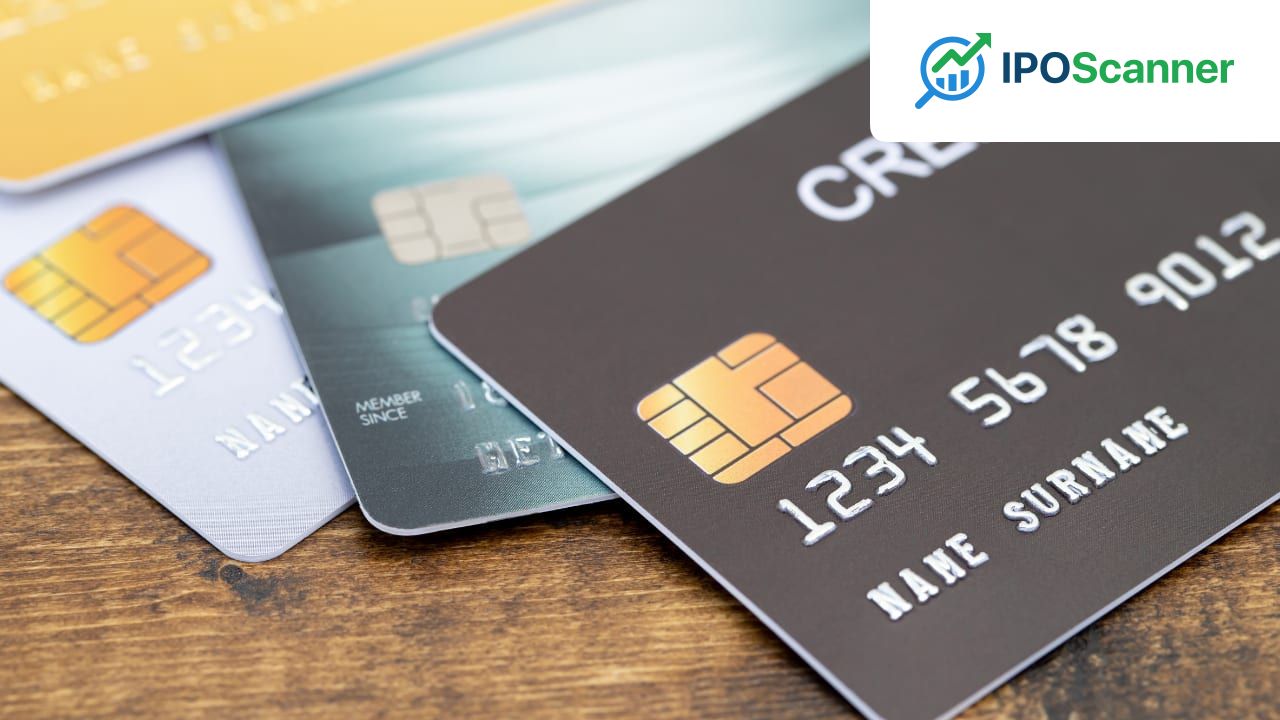
Student Credit Cards in India: A Guide to Safe and Secure Options
Credit Card Options for Indian Students
Introduction Many Indian college students face challenges in obtaining a credit card due to lack of a reliable source of income and income documentation. However, there are alternative options available for students to manage their finances and build a credit history.
Fixed Deposit-Backed Credit Cards A common route for students is a credit card issued against a fixed deposit. In this arrangement, a student or their parent opens a fixed deposit with a bank, and the bank issues a credit card against that deposit. The spending limit is usually close to the deposit amount, with an example of a Rs 40,000 or Rs 50,000 deposit resulting in a card limit in that range. This setup allows the bank to recover the amount from the deposit if the card bill is not paid.
Add-On Cards Linked to Parents Another option is an add-on credit card, where the parent remains the main cardholder and the student receives an additional card linked to the same account. The spending shows up in the parent's credit card bill, and some banks allow the main cardholder to set limits on add-on cards. This arrangement provides students with a card for their expenses while allowing parents to track spending.
Newer Secured Cards from Fintech Platforms Fintech companies have started offering entry-level credit cards aimed at students and young users. These cards usually require a small deposit or prepaid balance that determines the credit limit. Students should carefully review the charges, as some may come with annual fees or service charges that are higher than traditional bank cards.
Why Starting Carefully Matters A credit card can help students build a credit score early, which becomes important later when applying for loans such as education loans, car loans, or home loans. However, the benefit only comes if the card is used responsibly, with timely payments and avoidance of unnecessary spending. For most students, starting with a fixed deposit-backed card or a controlled add-on card under a parent's account remains the safest way to learn how credit cards work without taking on too much financial risk.
More in General
Correcting Credit Score Errors: A Guide to Ensuring Accurate CIBIL Reports and Optimal Loan Eligibility

Missing a Single EMI Payment Can Adversely Impact Credit Profile

EPF Withdrawal Comes with Tax Implications: A Guide to Understanding the Consequences