
Six-Year-Old Chinese Boy Diagnosed with Rare Throat Tumour Characterized as an Undeveloped Twin.
Rare Throat Tumour in Six-Year-Old Boy Sparks Medical Interest
A six-year-old boy in China, identified as Xiaoliang, was recently diagnosed with a rare growth in his throat after months of breathing difficulty and restricted eating. The unusual case drew attention due to initial descriptions suggesting the presence of an "undeveloped twin".
Xiaoliang had reportedly been snoring heavily for around six months and was only able to consume soft foods. His mother, surnamed Liu, sought medical advice after becoming concerned by the symptoms. Doctors at a local hospital identified an egg-sized mass in his throat but stated that they were unable to treat the condition.
Liu then took her son to the Children's Hospital of Fudan University in Shanghai for further evaluation. At the facility, ear, nose and throat specialist Chen Chao conducted a detailed examination and diagnosed the mass as a teratoma containing fat and cartilage. The growth was initially described as resembling an "undeveloped twin brother", but this interpretation was later challenged by medical professionals online.
Read also: Kumar Mangalam Birla to Address Concluding Function of RSS Training Camp
Teratomas are typically benign germ cell tumours and are most commonly found in areas such as the gonads or tailbone, particularly among children and young adults. The growth in Xiaoliang's throat measured around 6.6 cm and continued to increase in size, posing a risk to the airway if left untreated.
Doctors noted that Xiaoliang's condition was unusual not only because of the size of the mass but also due to its location in the throat. The tumour's proximity to the carotid artery increased the risk associated with surgical intervention.
| Condition | Description | Prevalence |
|---|---|---|
| Teratoma | Benign germ cell tumour | Common in children and young adults |
| Foetus in fetu | Malformed foetus found within the body of its twin | Occurs in approximately 1 in 500,000 births |
Specialists at the Children's Hospital of Fudan University carried out a minimally invasive procedure to remove the mass. The surgery lasted approximately three hours, during which the growth was extracted in two sections.
Read also: The Cost of Healthcare: Why Predictability in Medical Inflation is Crucial for Health Insurance
Xiaoliang showed significant improvement following the procedure and was reported to have nearly recovered within five days. His mother, Liu, expressed gratitude to the medical team, saying that the family felt fortunate that treatment was successful.
Chen advised parents to monitor unusual sleep behaviour in children, particularly frequent changes in posture during sleep, which may indicate airway obstruction. Online reactions to the case reflected a mix of concern and relief, with many expressing gratitude that the doctors were able to remove the lump in time.
More in General
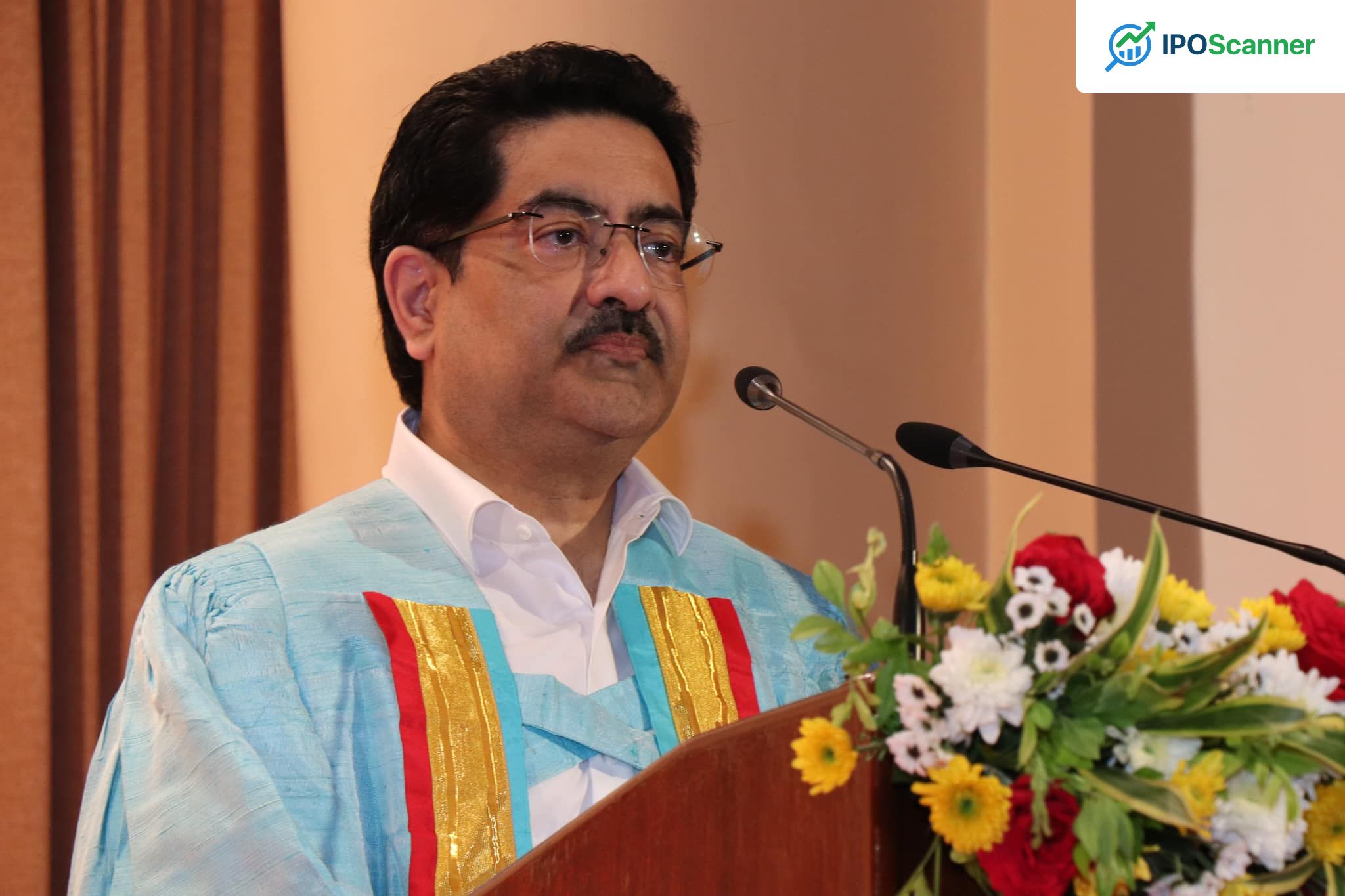
Kumar Mangalam Birla to Address Concluding Function of RSS Training Camp

The Cost of Healthcare: Why Predictability in Medical Inflation is Crucial for Health Insurance

Former Google Executive Warns AI Risks Stem from Human Misuse, Not Technological Limitations