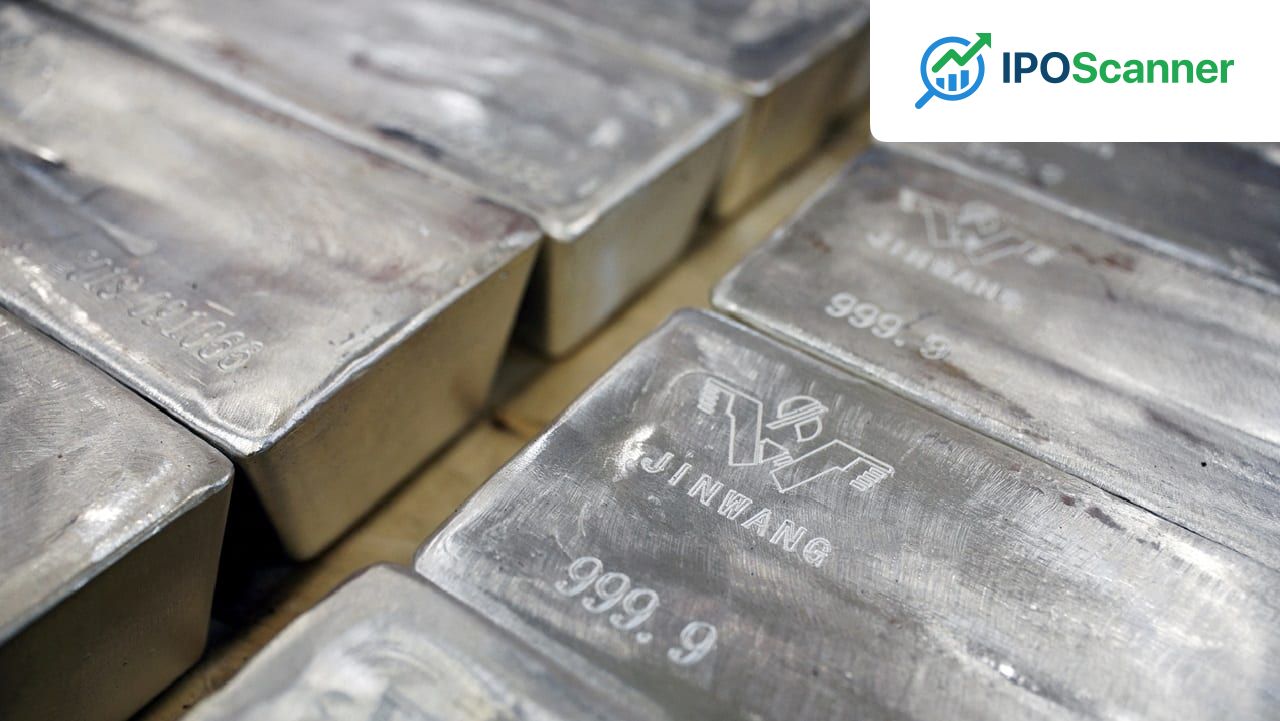
Silver Import Restrictions Cause Ripples in Indian Jewellery Sector
India's Jewellery and Silverware Industry Hit by Import Duty Hike
The Centre's recent decision to double precious metal import duties to 15 percent and place silver under the restricted import category has led to a significant drop in demand from jewellers and silverware traders. The move, aimed at conserving forex reserves amid rising energy costs, has been met with a mixed reaction from industry stakeholders.
The All India Gem And Jewellery Domestic Council (GJC) is seeking a meeting with the ministries of commerce, industry, and finance to discuss measures that will support the industry and ease the pressures on foreign exchange. GJC chairman Rajesh Rokde has suggested that the government consider restricting silver bullion trading and banning silver ETFs to ease the pressures on foreign exchange and reduce imports.
In the capital's retail markets, sales executives at jewellery stores specialising in silverware and jewellery have reported a slowdown in demand. The preference for buying silver coins or silverware over jewellery has been attributed to the sharp increase in silver prices over the years, making it an attractive investment option.
Read also: Treasury Yields Experience Largest Increase in Two Weeks Following Release of Labor Market Data
Industrial Demand for Silver Unfazed
While the jewellers and silverware traders are feeling the pinch, the industrial sector's demand for silver remains unaffected. The use of silver in solar energy, electronics, and electric vehicles has increased significantly in recent years. Electric vehicles, in particular, require more silver than conventional internal combustion engine vehicles due to their advanced electronics and high-voltage systems.
However, the industry is not concerned about the import restrictions. Magenta Mobility's founder and chairman, Maxson Lewis, pointed out that the impact of the silver import curbs will be limited, as most of the components used in electric vehicles are imported in a semi-knocked down (SKD) state and assembled locally. The only part manufactured in India is the battery connectors, which use silver.
OEMs Expect Limited Impact
Read also: US-Iran Tensions Spark Uptick in Oil Prices Amid Global Market Decline
Original equipment manufacturers (OEMs) are also expecting limited-to-no impact of the curbs on their business. A senior executive from the product development department of a leading OEM noted that almost all the parts and components where silver is used are outsourced to vendors, and the key parts are imported into India as fully built products before adding them to the final component.
India's Silver Imports
India is the world's biggest consumer of silver, meeting 80 percent of its demand through imports. The government's decision to hike the duty to 15 percent from 6 percent and put imports of silver bars with 99.9 percent purity and all other semi-manufactured forms of silver under the restricted category has led to a significant increase in silver imports. In April, silver imports jumped 157 percent from a year earlier to $411 million.
| Year | Silver Imports (in billions of USD) |
|---|---|
| Fy25 | $4.8 |
| Fy26 | $12.0 |
| April Fy27 | $4.11 |
Note: Fy25, Fy26, and Fy27 refer to the fiscal years 2025, 2026, and 2027, respectively.
Investor Takeaway
Investors should be cautious of potential market volatility due to government interventions in the precious metals market.
More in Economy

Treasury Yields Experience Largest Increase in Two Weeks Following Release of Labor Market Data

US-Iran Tensions Spark Uptick in Oil Prices Amid Global Market Decline

MoSPI Releases Uniform Norms for DDP Estimates with 2022-23 Base Year

