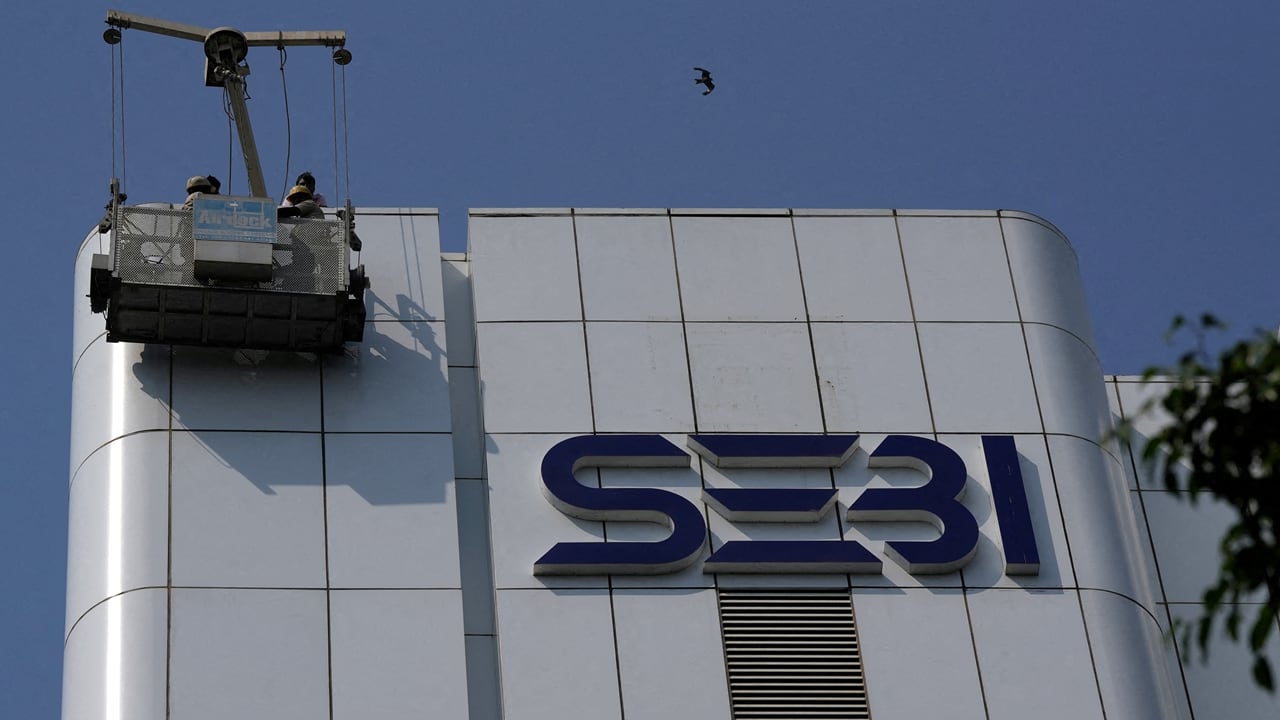
Securities and Exchange Board of India Steps Up Oversight of Broker Dealing Rooms Amid Concerns Over Front-running Practices
Securities and Exchange Board of India (Sebi) Tightens Oversight of Stockbrokers
Overview
In a bid to strengthen detection and deterrence of front running, India's capital markets watchdog, the Securities and Exchange Board of India (Sebi), is intensifying oversight of stockbrokers' dealing room operations. Sebi officials, along with those from the National Stock Exchange (NSE) and the Bombay Stock Exchange (BSE), have carried out inspections at several brokerage firms, including large and mid-sized entities, in recent months.
Inspections and Scrutiny
The inspections have centered on dealing desks that handle institutional investors and high net worth individuals (HNIs). Sebi officials are assessing whether each trade can be traced back to the original client instruction, examining access controls within dealing-room systems, mapping colocation user IDs to specific trades, and analyzing the software platforms deployed on trading desks.
Audit Trail Requirements
Brokers have been asked to provide a full audit trail for every transaction, including the originating instruction, whether via recorded dealer lines, official emails, or authorized messaging systems such as Bloomberg and Reuters terminals. Officials are also verifying whether the individual placing or relaying an order was permitted to use the chosen channel and whether the communication timestamps align precisely with the executed trades.
Historical Trade Data
Read also: Treasury Yields Experience Largest Increase in Two Weeks Following Release of Labor Market Data
Regulators have sought historical trade data spanning three to five years, including derivatives transactions, with particular emphasis on the timing of communications tied to orders. Special attention is being paid to potential information leaks in HNI trades before execution.
Colocation Access and Information Leaks
Colocation access has come under the scanner, with brokers directed to disclose who holds colocation IDs and who is actually using them to execute trades. Officials are examining whether authorized IDs are being strictly used by designated individuals or shared among multiple users.
Front Running Crackdown
The expanded review underscores Sebi's push to tighten surveillance over dealing-room practices and plug gaps that may enable front running in high-value trades. Last year, Sebi alleged that market operator Ketan Parekh and associates front-ran trades of a large US-based fund by leveraging prior knowledge of impending orders routed through a consultant, executing positions via a network of brokers before the client's trades were placed.
Investor Takeaway
Investors should be cautious of potential market volatility due to increased scrutiny of broker dealing rooms.
More in Market

SpaceX Seeks Record $75 Billion IPO, Potentially Positioning Elon Musk as the World's First Trillionaire

Treasury Yields Experience Largest Increase in Two Weeks Following Release of Labor Market Data

US-Iran Tensions Spark Uptick in Oil Prices Amid Global Market Decline