SEBI Emphasizes Technology-Driven Surveillance Amid Rise in AI-Facilitated Cybercrime
SEBI Steps Up Efforts to Safeguard India's Capital Markets
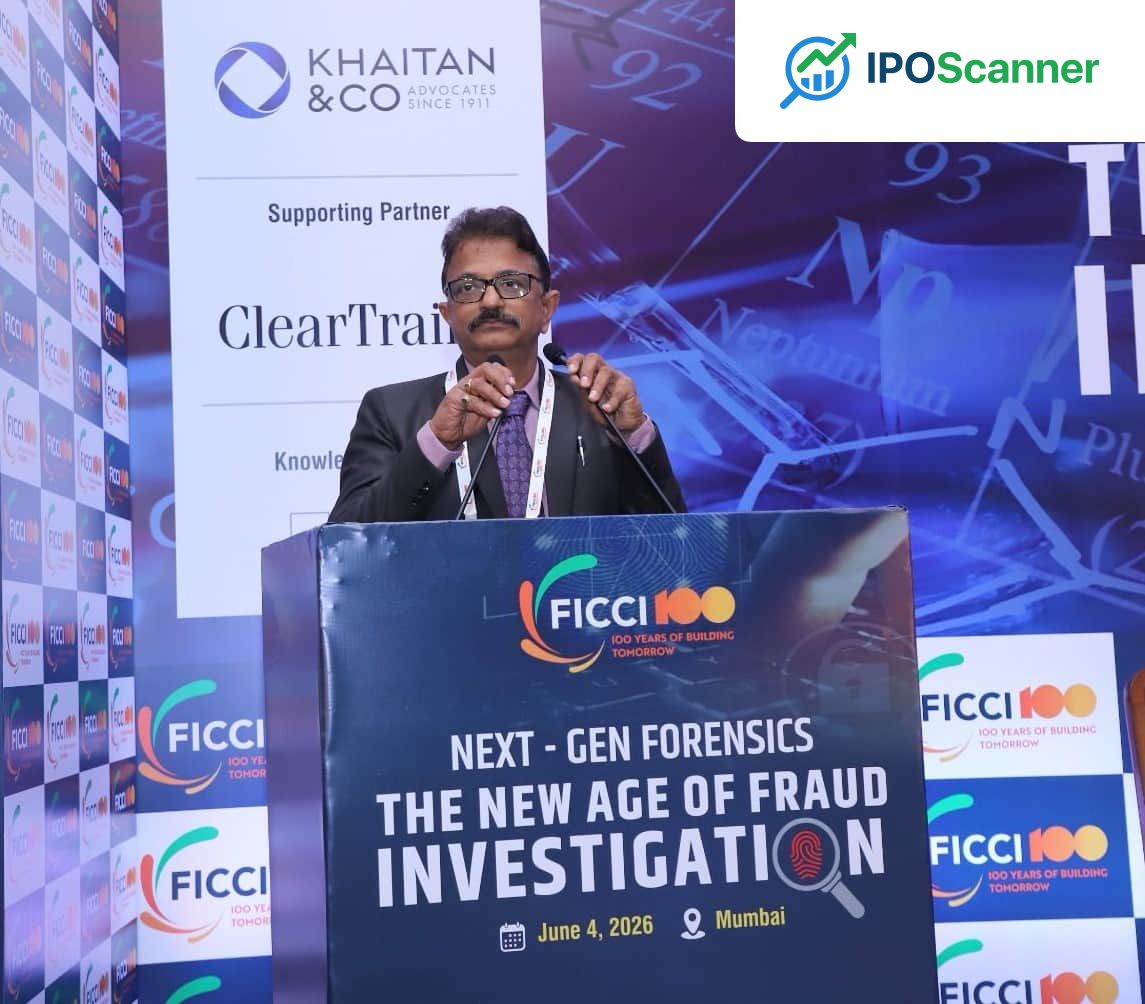
The Securities and Exchange Board of India (SEBI) is strengthening investor protection and digital trust through technology-driven governance measures, including enhanced surveillance systems, cybersecurity frameworks, and fraud-prevention tools. Addressing the FICCI Conference on Next-Gen Forensics: The New Age of Fraud Investigation, Govindayapalli Ram Mohan Rao, Executive Director, Market Intermediaries Regulation and Supervision Department, SEBI, highlighted several initiatives aimed at helping investors identify legitimate entities and avoid fraud.
SEBI has introduced initiatives such as SEBI Check, App Check, and UPI verification mechanisms to help investors identify legitimate entities and prevent fraud. The regulator is also strengthening cybersecurity systems, conducting periodic audits, and leveraging advanced surveillance technologies to safeguard the integrity of India's securities markets. These measures are essential to maintaining investor trust, which remains the cornerstone of India's capital markets.
Rao emphasized the importance of proactive surveillance and monitoring of misleading content to stay ahead of increasingly sophisticated digital frauds. He noted that regulators must work with online platforms and technology-enabled detection systems to reduce fraud risks and build greater digital trust across the financial ecosystem. This approach recognizes that prevention is always better than investigation after the event.
Read also: Global Capital Misjudging Potential of Proposed India-US Trade Agreement
The conference brought together regulators, law enforcement officials, forensic experts, and industry leaders to discuss the growing sophistication of cybercrime and the evolving challenges posed by AI-generated deep fakes, digital arrests, crypto-enabled fraud, and cross-border financial crime networks. Brijesh Singh, IPS, Principal Secretary, Government of Maharashtra, warned that cybercrime has evolved into an industrial-scale ecosystem involving specialized actors handling various aspects of digital crime.
Table: Emerging Fraud Trends
| Category | 2020 | 2022 |
|---|---|---|
| Digital Payment Frauds | 15,000 | 25,000 |
| Identity Theft | 8,000 | 12,000 |
| Crypto-Based Money Laundering | 2,000 | 5,000 |
During the event, FICCI, along with KPMG India and Khaitan & Co, released reports examining emerging fraud trends, AI-driven threats, digital investigations, and evolving legal and compliance challenges in combating cyber and financial crimes. Suveer Khanna, Head & Partner – Forensic Services, KPMG India, presented the findings of the FICCI-KPMG report, highlighting the significant expansion of the fraud threat landscape due to the scale of digital transformation. Amey Mirajkar, Partner, Khaitan & Co, noted that India's digital economy is expanding at an extraordinary pace, but the same infrastructure that enables faster and more efficient financial transactions is also being exploited by increasingly sophisticated fraud networks.
Read also: Citi CEO Jane Fraser Expects Continued Deal Momentum, More Measured Second Half Ahead
Investor Takeaway
Investors should be aware of SEBI's initiatives to strengthen investor protection and digital trust through technology-driven governance measures.
More in Market

Global Capital Misjudging Potential of Proposed India-US Trade Agreement
Citi CEO Jane Fraser Expects Continued Deal Momentum, More Measured Second Half Ahead

AVI Polymers Board Approves Bonus Equity Share Issuance in 1:10 Ratio