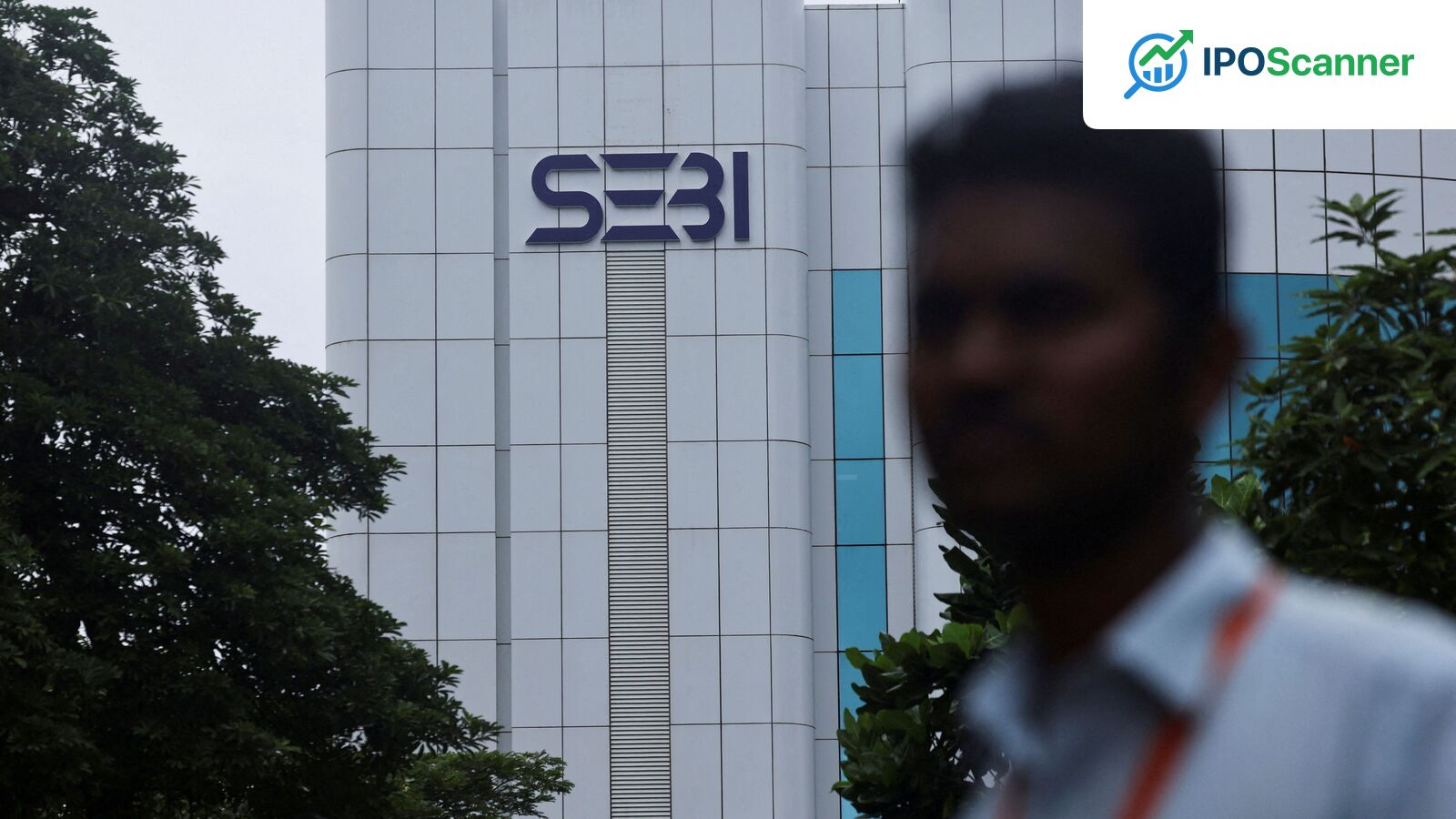
Sebi Considers Allowing Third-Party Payments in Mutual Funds to Simplify Transaction Procedures
Securities and Exchange Board of India Considers Allowing Third-Party Payments in Mutual Funds
The Securities and Exchange Board of India (Sebi) is reviewing a proposal to allow third-party payments in mutual funds, aiming to ease transaction norms while maintaining safeguards against risks such as money laundering. The market regulator issued a consultation paper on Wednesday, outlining scenarios in which third-party payments can be permitted.
According to the proposal, third-party payments in mutual funds can be allowed in certain scenarios, including the payment of employee benefits by employers and payment of commissions to distributors by asset management companies (AMCs). This marks a departure from current regulations that require all mutual fund transactions to happen with the investor's verified bank accounts, enabling the maintenance of a digital trail.
The rules, in accordance with the Prevention of Money Laundering Act (PMLA), were framed to mitigate third-party payment risks among AMCs. The market regulator has proposed allowing payout deductions by employers towards employees who have opted for mutual funds as a savings avenue. This option would be available for all listed and EPFO-registered companies and the AMCs themselves.
The proposed mechanism would allow asset management companies (AMCs) to accept consolidated payments for mutual fund investments through salary deductions. The regulator has invited comments until June 10 on the draft regulations.
Third-party payments are also allowed for the purpose of payment of commission by mutual funds to their empanelled distributors. The provision allows AMCs to pay their distributors in the form of mutual fund units instead of cash, in a system similar to salary deductions for employees. The mutual fund units are allotted only in the distributor's own name, ensuring that the actual beneficiary receives the investment benefits.
| Type of Third-Party Payment | Description |
|---|---|
| Payment of Employee Benefits | Payment of employee benefits by employers towards employees who have opted for mutual funds as a savings avenue |
| Payment of Commission | Payment of commission by mutual funds to their empanelled distributors in the form of mutual fund units |
The proposal also aims to help investors contribute to social causes through mutual funds in a regulated and transparent manner. Investors can now donate a part of their investment amount, dividends, or redemption proceeds towards verified Non-Profit Organizations (NPOs) through zero coupon zero principal instruments listed on the social stock exchange.
Read also: Treasury Yields Experience Largest Increase in Two Weeks Following Release of Labor Market Data
Mutual fund industry executives said that AMCs earlier had schemes and commission payout mechanisms that enabled third-party payments. The paper now formalizes these with a clear framework. However, some industry experts have raised concerns that the recommendation on contribution to social causes may pose a restriction, as not many NGOs are listed on stock exchanges and not many NGOs have issued zero coupon, zero principal instruments.
The framework reduces the difficulty of identifying trustworthy NGOs independently and ensures better transparency and investor protection. Mutual funds may either create dedicated schemes for donations or allow all existing schemes to provide this facility.
Investor Takeaway
Sebi may allow third-party payments in mutual funds, simplifying transaction procedures.
More in Market

SpaceX Seeks Record $75 Billion IPO, Potentially Positioning Elon Musk as the World's First Trillionaire

Treasury Yields Experience Largest Increase in Two Weeks Following Release of Labor Market Data

US-Iran Tensions Spark Uptick in Oil Prices Amid Global Market Decline