Russia to Increase Oil Exports as Drone Strike Consequences Subside
Russia Reboots Urals Crude Exports Amid Global Supply Crunch
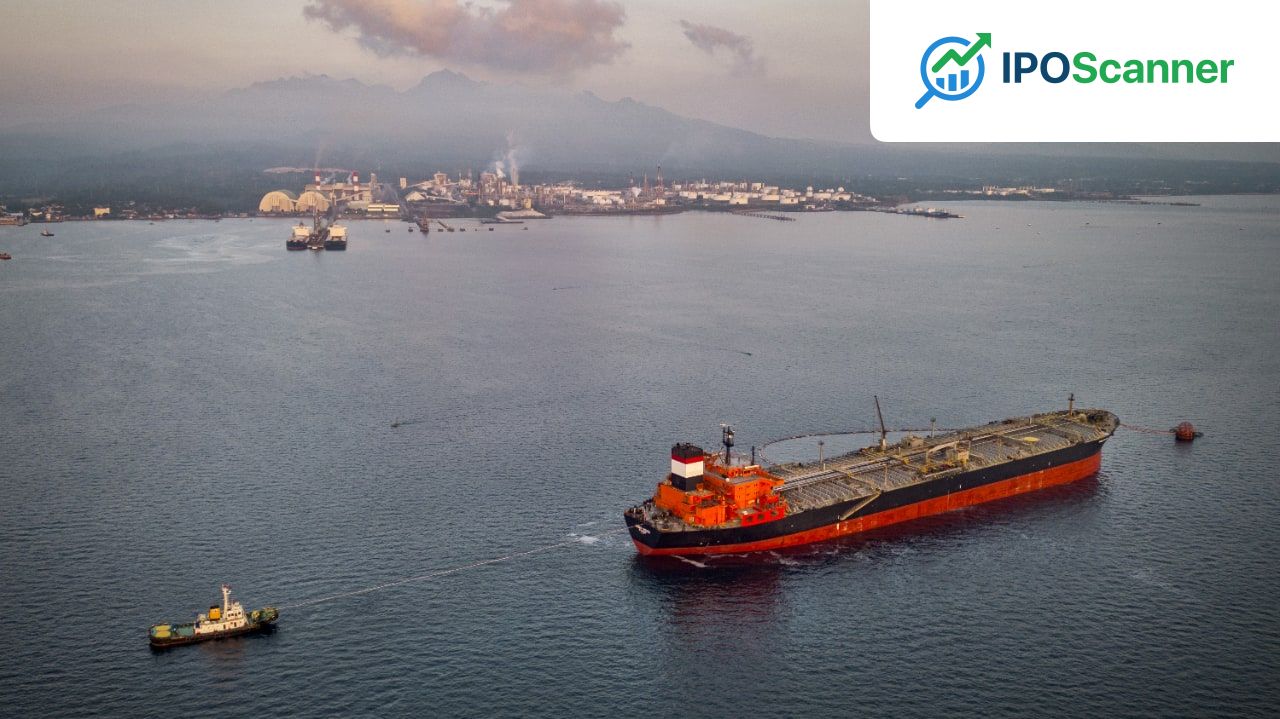
Russia has restored Urals crude exports from its major western ports, setting the stage for a rebound in flows, following weeks of disruption caused by Ukrainian drone strikes. The attacks on facilities at Primorsk and Ust-Luga on the Baltic and at Novorossiysk on the Black Sea, which began late last month, hammered loading activity and sent exports tumbling.
The disruption has had a significant impact on global oil supplies, with the world desperate for alternative sources to offset the loss of most oil shipments from the Persian Gulf. The Strait of Hormuz, through which about 15 million barrels a day of crude normally flows, has been effectively closed to most traffic for over a month, with less than one-third of the oil diverted elsewhere.
According to tanker-tracking data compiled by Bloomberg, four-week crude flows from Russia's ports slipped to 3.11 million barrels a day in the period to April 19, the lowest since August and down by about 500,000 barrels a day over the past month. However, operations have now resumed at all three ports, with most of the berths back in operation, and average flows are poised to jump in the coming weeks.
Read also: Treasury Yields Experience Largest Increase in Two Weeks Following Release of Labor Market Data
Shipments in the latest week rose to 3.53 million barrels a day, the highest since March 22. The increase in flows will come at a time when Moscow's oil income has received a boost from soaring global oil prices, driven by the Middle East war and Tehran's subsequent effective closure of the Strait of Hormuz.
Moscow's Oil Income Jumps Amid Global Supply Crunch
Despite the drone strikes, inflows to Moscow's Ukraine war chest have jumped in recent weeks, driven to near-record highs by soaring global oil prices. The US administration has also extended a sanctions waiver permitting the purchase of Russian oil, allowing delivery of crude loaded before April 17.
Refiners in India rushed to snap up stranded Russian barrels when the first licenses were issued, draining the stockpile of Russian crude at sea. The amount of oil on tankers has fallen by about 40 million barrels from a peak of about 140 million in mid-January. Almost all of it is now cargoes in transit, with the overhang of stranded barrels that built up after the US toughened sanctions on buyers of Moscow's oil now almost drained.
Read also: US-Iran Tensions Spark Uptick in Oil Prices Amid Global Market Decline
Comparison of Crude Shipments
| Week | Total Loaded | Average Daily Shipments |
|---|---|---|
| April 12 | 23.08 million barrels (30 ships) | 3.3 million barrels a day |
| April 19 | 24.74 million barrels (33 ships) | 3.53 million barrels a day |
The flows are volatile, affected by weather, maintenance work, sanctions, and the timing of shipments. A dip in flows from the Baltic ports of Primorsk and Ust-Luga was offset by a rebound in shipments from Novorossiysk, which had been closed for most of the prior week.
Urals Prices Continue to Rise
Urals prices rose for a seventh week, driven higher by the conflict in the Middle East, which further boosted global benchmarks, and a continued easing of the discounts Moscow had previously been forced to offer to move additional cargoes into China. The export prices of Russia's Urals from the Baltic rose by about $2.70 to $98.54 a barrel, while Black Sea cargoes moved to $96.86. The price of Pacific ESPO crude fell by $1.20 to average $92.85 a barrel.
Flows by Destination
Observed shipments to Russia's Asian customers, including those showing no final destination, slipped to 2.93 million barrels a day in the 28 days to April 19, following the decrease in overall shipments. While the amount of Russian crude on tankers showing destinations in China and India continues to show sharp declines in the most recent weeks, the volume on vessels yet to show a final destination has soared, allowing for much of that pattern to be reversed in time.
| Destination | April 12 | April 19 |
|---|---|---|
| China | 880,000 barrels a day | 820,000 barrels a day |
| India | 890,000 barrels a day | 490,000 barrels a day |
| Turkey | 180,000 barrels a day | 160,000 barrels a day |
| Syria | 0 barrels a day | 0 barrels a day |
Flows to Turkey in the four weeks to April 19 slipped to about 160,000 barrels a day from about 180,000 barrels a day in the period to April 12. Four-week flows to Syria remained at zero for a fifth week, down from a recent peak of about 130,000 barrels a day seen in the period to mid-January. Tankers hauling Russian crude to the east Mediterranean nation rarely signal their destination and usually disappear from automated tracking systems when they're south of Crete.
Investor Takeaway
Investors should expect a rebound in oil exports from Russia as the consequences of drone strikes subside.
More in Economy

Treasury Yields Experience Largest Increase in Two Weeks Following Release of Labor Market Data

US-Iran Tensions Spark Uptick in Oil Prices Amid Global Market Decline

MoSPI Releases Uniform Norms for DDP Estimates with 2022-23 Base Year

