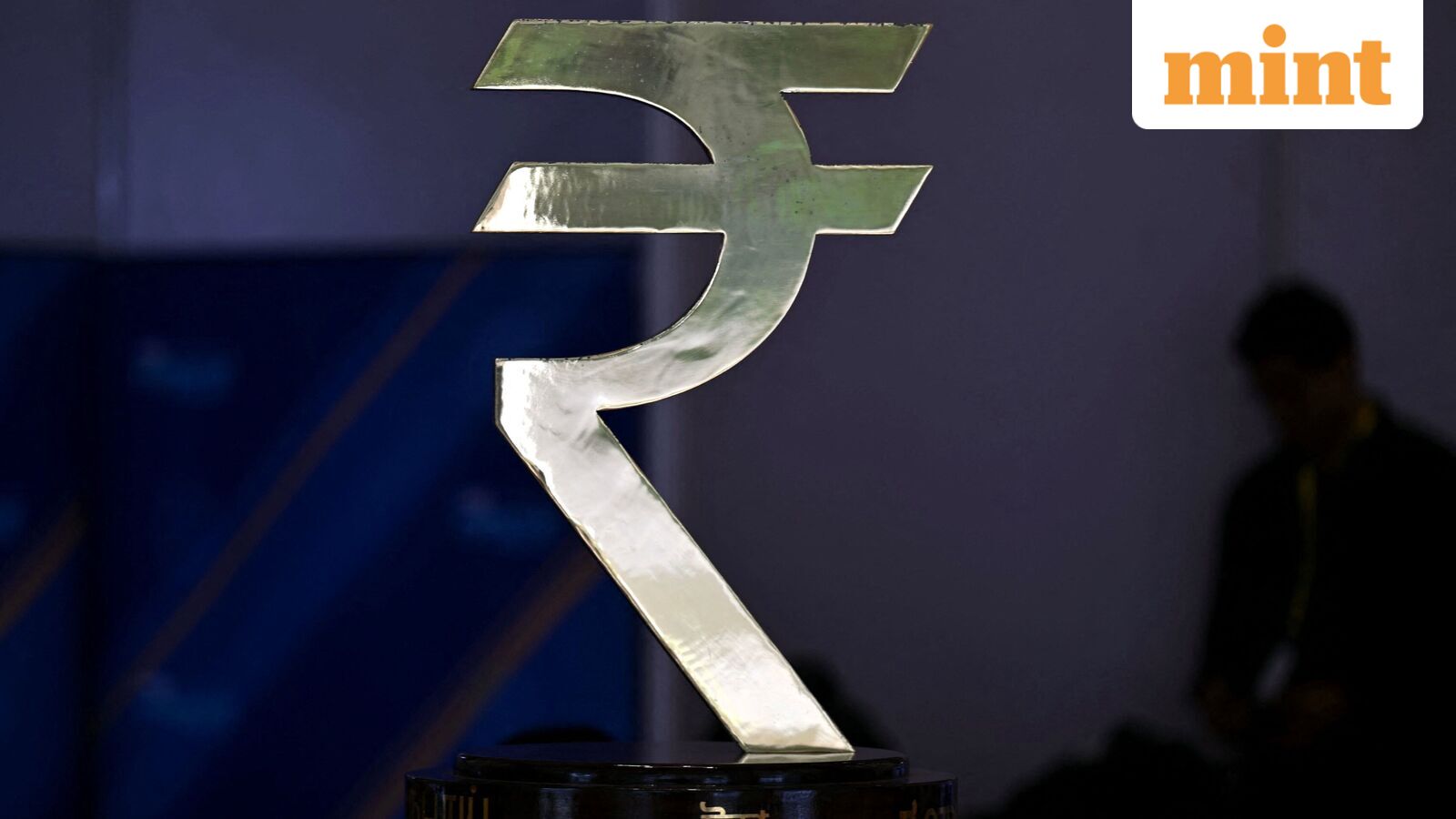
Rupee Hits Record Low Against Dollar Amid Rising Oil Prices Fueled by West Asia Conflict
Indian Rupee Hits Record Low Against US Dollar
The Indian rupee tumbled to a record low of 92.41 against the US dollar on Wednesday, battered by a sharp rise in crude oil prices and a surge in safe-haven demand for the greenback as hostilities intensified in West Asia.
Key Factors Contributing to Rupee's Depreciation
The rupee had breached the crucial 92 mark at open, compared with its previous close of 91.47. The Indian unit finally closed at 92.15 today, according to Bloomberg data. Oil shocks and dollar demand were the primary drivers of the rupee's depreciation. Traders said the rupee was pressured by heavy dollar demand from oil marketing companies and importers amid escalating regional tensions.
Read also: Treasury Yields Experience Largest Increase in Two Weeks Following Release of Labor Market Data
Oil Prices and Dollar Index Contribute to Rupee's Decline
Crude prices rose over $2 per barrel after fresh military strikes between Iran and Israel, which are expected to delay shipments and disrupt West Asian supply chains. The surge in oil, coupled with a rising dollar index, weighed heavily on emerging market currencies, including the rupee.
Reserve Bank of India's Intervention
While state-owned banks were seen selling dollars on behalf of the Reserve Bank of India (RBI) to curb excessive volatility, market participants said the central bank is focused on smoothing swings rather than defending a specific level.
Read also: US-Iran Tensions Spark Uptick in Oil Prices Amid Global Market Decline
Market Expectations and Outlook
Analysts expect the Indian unit to trade in the 91-93.5 per dollar range in the near term. However, if crude oil rises to $90 per barrel, then the rupee may easily go to 93 or 94. India's dependence on imported crude and deep trade linkages with West Asia make the currency particularly vulnerable.
Impact on Foreign Investors
Increasing risk aversion could also prompt foreign investors to sell Indian equities. Analysts warn that increasing currency volatility could deter portfolio inflows and potentially trigger FPI outflows.
Investor Takeaway
Investors should be cautious of emerging market currencies and potential volatility in the short term.
More in Economy

Treasury Yields Experience Largest Increase in Two Weeks Following Release of Labor Market Data

US-Iran Tensions Spark Uptick in Oil Prices Amid Global Market Decline

MoSPI Releases Uniform Norms for DDP Estimates with 2022-23 Base Year

