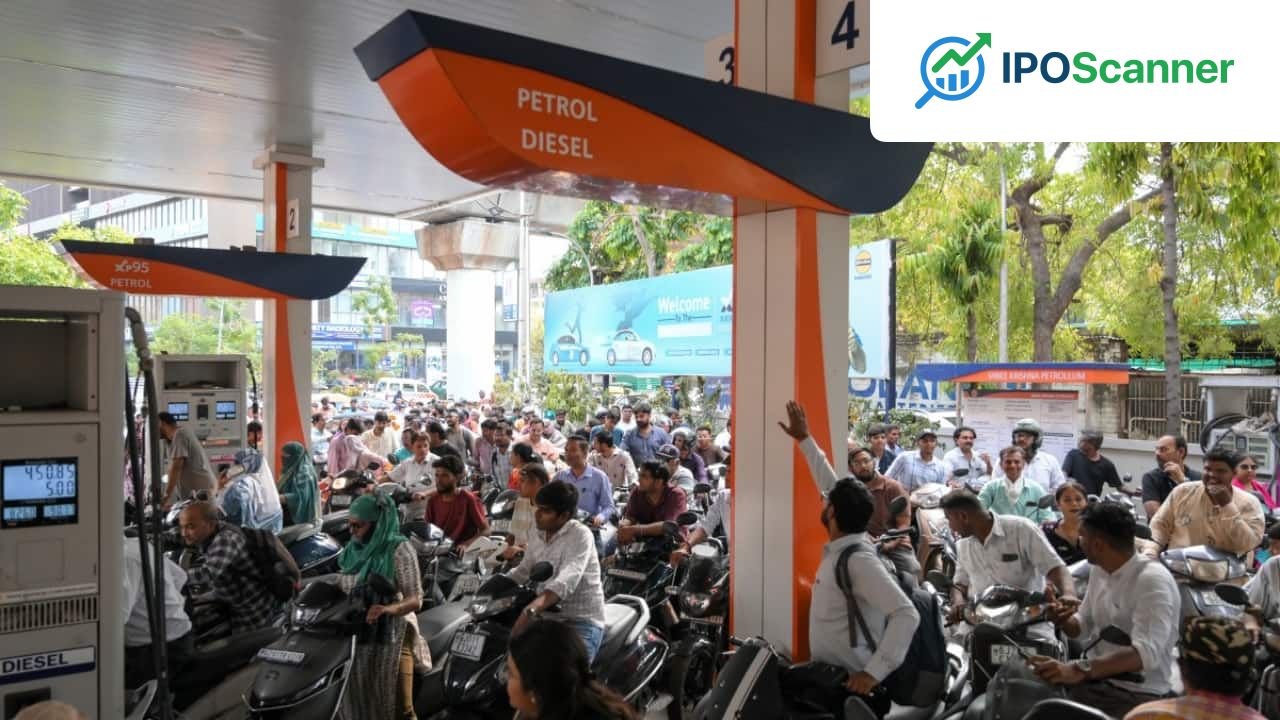
Rising Fuel Prices May Increase Everyday Costs for Indian Households
Fuel Price Hikes to Hit Consumers Hard, Warns Crisil Report
A recent report by Crisil has warned that rising petrol and diesel prices could lead to higher costs for consumers, as higher fuel costs begin to ripple through transportation and manufacturing. According to the report, petrol and diesel prices have risen by around Rs 7.5 per litre since May 15, with the possibility of further increases if global crude oil prices remain elevated.
The report notes that the broader effect of higher fuel prices will reverberate across the economy through higher transport costs, pushing up both food and core inflation. Crisil estimates that a Rs 7.5-per-litre increase in petrol and diesel prices could directly add about 36 basis points to Consumer Price Index (CPI) inflation. If cumulative fuel price hikes reach Rs 10 per litre, the impact could rise to nearly 48 basis points.
Food Categories Most Vulnerable
Read also: Treasury Yields Experience Largest Increase in Two Weeks Following Release of Labor Market Data
Road transport, which accounts for about 71 per cent of India's freight movement, is particularly vulnerable to higher fuel costs. Fuel makes up nearly 42 per cent of operating costs, and the increase in retail fuel prices will directly impact these freight cost structures and feed into prices across supply chains in the coming months.
Food categories that depend heavily on transportation networks, including dairy products, tea, coffee, fruits, pulses, spices, eggs, meat, and fish, are expected to face the greatest pressure from rising logistics costs. Crisil warns that the fading of a favourable base effect could further accelerate food inflation in the coming quarters.
Impact on Core Inflation
Core inflation may also come under pressure as manufacturers grapple with higher costs for crude oil, petroleum products, and natural gas, along with increased transportation expenses. Industries such as clothing, consumer electronics, wood products, cement, and ceramics could see stronger price pass-through due to their dependence on transport-intensive supply chains. Producers of chemicals, coal, and metal-related products may also face rising input costs.
Read also: US-Iran Tensions Spark Uptick in Oil Prices Amid Global Market Decline
Companies to Pass on Higher Costs
With demand remaining relatively stable, companies are increasingly expected to pass on higher costs to consumers or adopt shrinkflation strategies to protect profit margins. The report noted that GST rate cuts announced in September 2025 on categories such as electronics, automobiles, clothing, processed foods, and fast-moving consumer goods are likely to provide some relief by keeping prices lower over the next year.
Crude Oil Prices Remain Elevated
Crude oil prices have averaged around USD 112 per barrel during the first two months of the current fiscal year, significantly higher than the base-case forecast of about USD 95 per barrel for the full year. While headline inflation remains below the Reserve Bank of India's 4 per cent target, Crisil expects inflation to trend higher while remaining within the central bank's 2-6 per cent tolerance band.
| Category | Current Price | Projected Price |
|---|---|---|
| Crude Oil (USD per barrel) | 112 | 95 |
| Petrol (Rs per litre) | 7.5 | 10 |
| Diesel (Rs per litre) | 7.5 | 10 |
RBI to Monitor Inflation Risks
The Reserve Bank of India is expected to look past the initial supply-side impact of higher fuel prices but will closely monitor risks to household inflation expectations and the possibility of broader price increases across the economy. The central bank is also likely to keep a close watch on weather-related risks, including forecasts of a below-normal monsoon and evolving El Nino conditions, which could add further pressure to food inflation.
Investor Takeaway
Rising fuel prices may increase everyday costs for Indian households, affecting inflation and the broader economy.
More in Economy

Treasury Yields Experience Largest Increase in Two Weeks Following Release of Labor Market Data

US-Iran Tensions Spark Uptick in Oil Prices Amid Global Market Decline

MoSPI Releases Uniform Norms for DDP Estimates with 2022-23 Base Year

