Rise in AI-Generated Voice Scams Challenges Consumers to Verify Authenticity
Voice Cloning Scams: A Growing Threat to Trust and Credibility
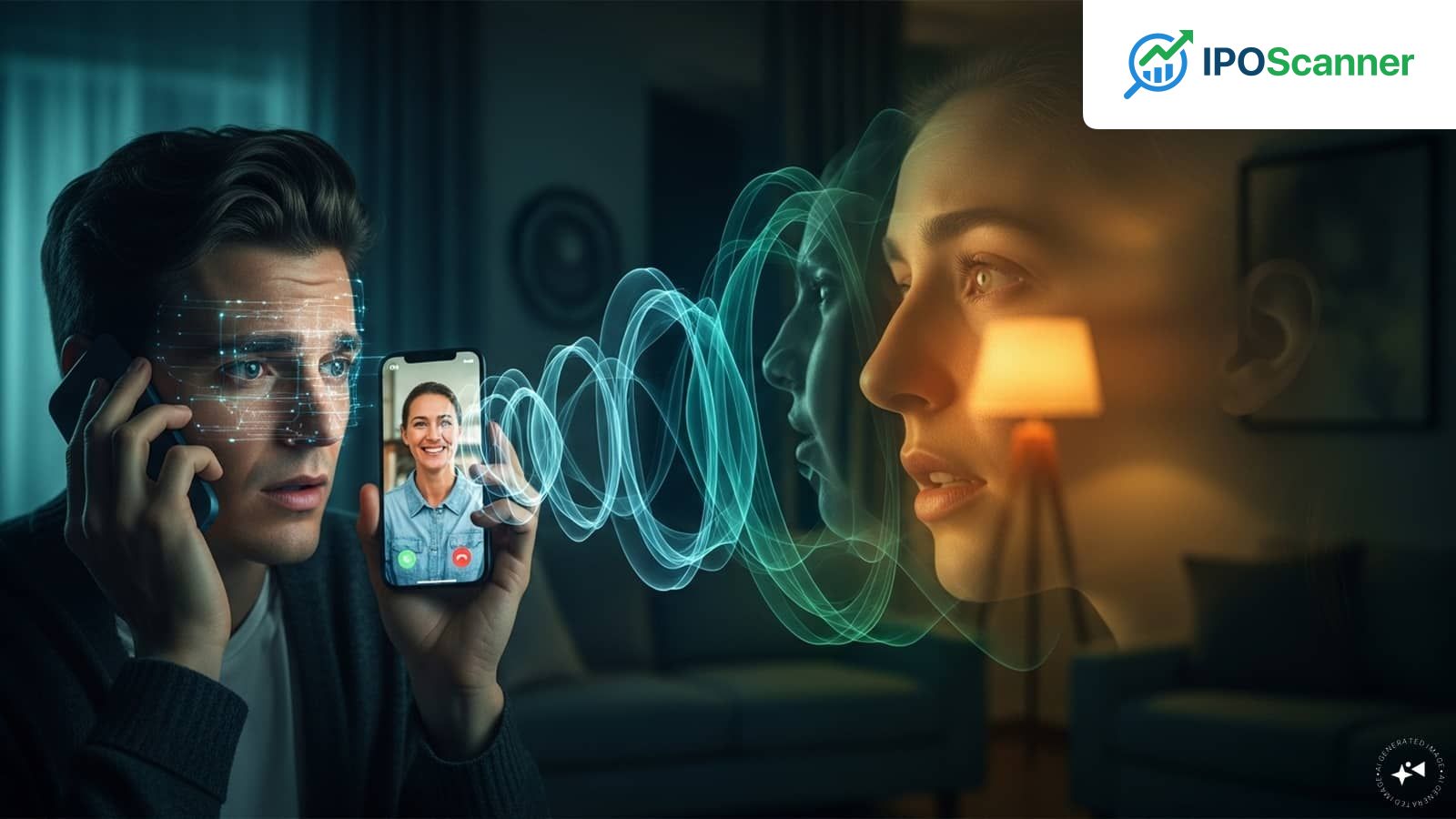
For decades, people have trusted voices more than messages. A phone call from a family member carried immediate credibility, tone, emotion, urgency. However, this instinct is now being exploited by scammers using AI voice cloning tools. These tools can recreate someone's speech patterns using just a few seconds of audio pulled from social media videos, voice notes, or public recordings. The result is unsettlingly convincing, making victims feel like they are helping someone they know rather than being scammed.
The Setup of a Voice Cloning Scam
The setup of a voice cloning scam rarely starts with a dramatic call. Instead, fraudsters first gather audio samples and personal context, which includes names of relatives, workplaces, travel plans, and anything that makes a conversation sound natural. Next comes the call, which is often given the guise of an emergency, such as an accident, lost wallet, or legal issues in another country. The cloned voice might also be in distress, in a hurry, or speak in hushed tones, making the recipient less likely to ask questions.
Read also: Kumar Mangalam Birla to Address Concluding Function of RSS Training Camp
The Risks of Voice Cloning Technology
Unlike other impersonation scams, voice cloning eliminates the discomfort that usually makes the recipient suspicious. The accent, tone, and speech pattern of the person are quite similar to the original. Even the caller ID spoofing makes the phone number look familiar, making even the most cautious of people hesitate about the transfer of money.
Circumstances That Scammers Prefer
The requests are usually for immediate transactions, such as bank transfers, UPI, gift cards, or cryptocurrency. The scammers might also claim that they are in no position to converse for long or receive further calls, due to the presence of the police or because of their phone being damaged.
Read also: The Cost of Healthcare: Why Predictability in Medical Inflation is Crucial for Health Insurance
Targeting Vulnerable Individuals
Older family members are frequent targets because they rely more on voice communication and may be less aware of the risks of synthetic media.
The Psychological Element of Voice Cloning Scams
Human brains are wired to trust familiar sounds. Once the voice matches expectations, inconsistencies fade into the background. Victims often recall feeling uneasy afterwards but unable to pinpoint why in the moment. This psychological element makes voice cloning scams harder to resist than text-based fraud.
Reducing Vulnerability to Voice Cloning Scams
The most effective defense is not technical; it is behavioural. Agree on a family verification habit. If a call involves urgent money requests, hang up and call the person back on their known number. Even a short delay disrupts the scammer's advantage. Create a family 'safe question' that only real members can answer easily. Be cautious about sharing clear voice recordings publicly, especially when combined with personal details. Activate bank transaction alerts and limits so large transfers require extra confirmation. Most importantly, treat urgency as a warning sign, not a reason to rush.
| Scam Transaction Type | Example | Consequences |
|---|---|---|
| Bank Transfer | Sending money to a fake account | Immediate loss of funds |
| UPI | Transferring money to a scammer's account | Loss of funds and potential identity theft |
| Gift Cards | Purchasing gift cards for a scammer | Loss of funds and potential identity theft |
| Cryptocurrency | Transferring cryptocurrency to a scammer's wallet | Loss of cryptocurrency and potential identity theft |
Protecting Yourself from Voice Cloning Scams
Pausing may feel unkind in the moment. In reality, it is the most protective response. By being cautious and verifying the identity of callers, especially in emergency situations, you can reduce your vulnerability to voice cloning scams.
More in General

Kumar Mangalam Birla to Address Concluding Function of RSS Training Camp

The Cost of Healthcare: Why Predictability in Medical Inflation is Crucial for Health Insurance

Former Google Executive Warns AI Risks Stem from Human Misuse, Not Technological Limitations