Reserve Bank Governor Seeks to Bolster Corporate Resilience through Strategic Diversification and Investment
Indian Businesses Urged to Strengthen Competitiveness Amid Global Disruptions
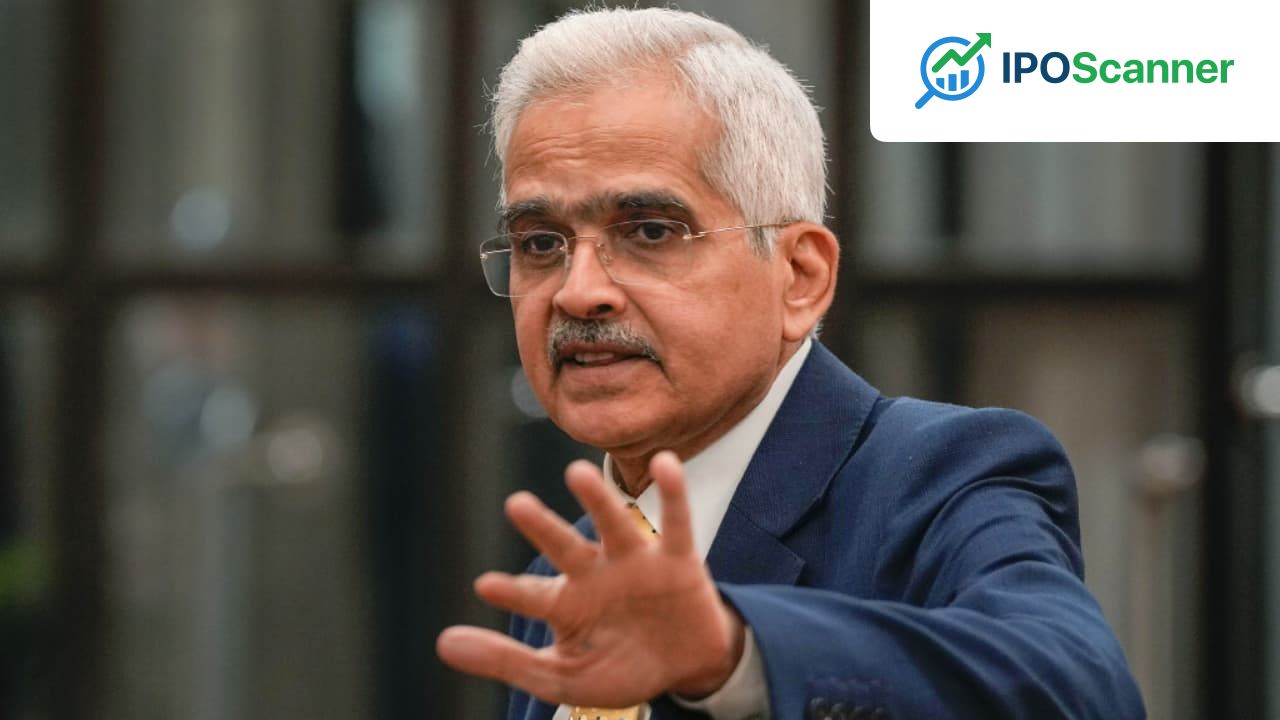
Principal Secretary to the Prime Minister of India, Shaktikanta Das, on Monday emphasized the need for Indian businesses to capitalize on the current global disruptions linked to the West Asia conflict. Speaking at the Confederation of Indian Industry (CII) Annual Business Summit 2026, Das outlined a seven-point strategy for industry leaders navigating rising geopolitical and economic uncertainty.
The first priority for businesses, according to Das, should be organizational resilience through stronger risk management systems, faster decision-making structures, and preparedness for technological and market disruptions. This will enable firms to absorb external shocks while remaining competitive during periods of volatility.
Financial preparedness is the second area highlighted by Das, who stressed the importance of strengthening balance sheets and maintaining liquidity buffers during periods of global stress. This will enable companies to manage external shocks and capitalize on emerging opportunities.
Read also: Treasury Yields Experience Largest Increase in Two Weeks Following Release of Labor Market Data
Supply-chain diversification is the third pillar of Das's recommendations. Indian firms should reduce dependence on limited sourcing channels by localizing critical inputs where feasible and integrating with multiple global value chains.
| Strategy | Description |
|---|---|
| Organizational Resilience | Stronger risk management systems, faster decision-making structures, and preparedness for technological and market disruptions |
| Financial Preparedness | Strengthening balance sheets and maintaining liquidity buffers during periods of global stress |
| Supply-Chain Diversification | Reducing dependence on limited sourcing channels through localizing critical inputs and integrating with multiple global value chains |
| Workforce Readiness | Prioritizing reskilling and upskilling through continuous training, vocational education, and industry-academia partnerships |
| Export Diversification | Expanding into new geographies and reducing dependence on a limited set of markets |
| Long-Term Investments | Investing in technology, sustainability, innovation, and capacity building |
| R&D Expenditure | Treating R&D expenditure as a strategic investment rather than a cost centre |
Das also emphasized the importance of workforce readiness, saying industries are being reshaped by automation, artificial intelligence, and digital technologies. He recommended prioritizing reskilling and upskilling through continuous training, vocational education, and industry-academia partnerships.
Another key strategy outlined by Das involves export diversification. Indian companies should expand into new geographies and reduce dependence on a limited set of markets, taking advantage of India's growing diplomatic and economic engagement globally.
Read also: US-Iran Tensions Spark Uptick in Oil Prices Amid Global Market Decline
The sixth strategy centred on long-term investments in technology, sustainability, innovation, and capacity building. Das emphasized the importance of investing with a long-term perspective, saying that Indian businesses that do so will be best placed to lead tomorrow.
Finally, Das called for a significant increase in private sector spending on research and development, treating R&D expenditure as a strategic investment rather than a cost centre. He highlighted the importance of knowledge as a key driver of growth, emphasizing that frontier innovation emerges through sustained research efforts and collaboration between industry and research institutions.
Das, who served as the Governor of the Reserve Bank of India from December 2018 to December 2024, currently serves as Principal Secretary to the Prime Minister. The CII Annual Business Summit comes at a time when Indian industry is closely monitoring the impact of the ongoing West Asia conflict on energy prices, shipping routes, input costs, and global trade flows.
Investor Takeaway
Indian businesses should focus on building resilient operating models, stronger balance sheets, and diversified supply chains to navigate rising geopolitical and economic uncertainty.
More in Economy

Treasury Yields Experience Largest Increase in Two Weeks Following Release of Labor Market Data

US-Iran Tensions Spark Uptick in Oil Prices Amid Global Market Decline

MoSPI Releases Uniform Norms for DDP Estimates with 2022-23 Base Year

