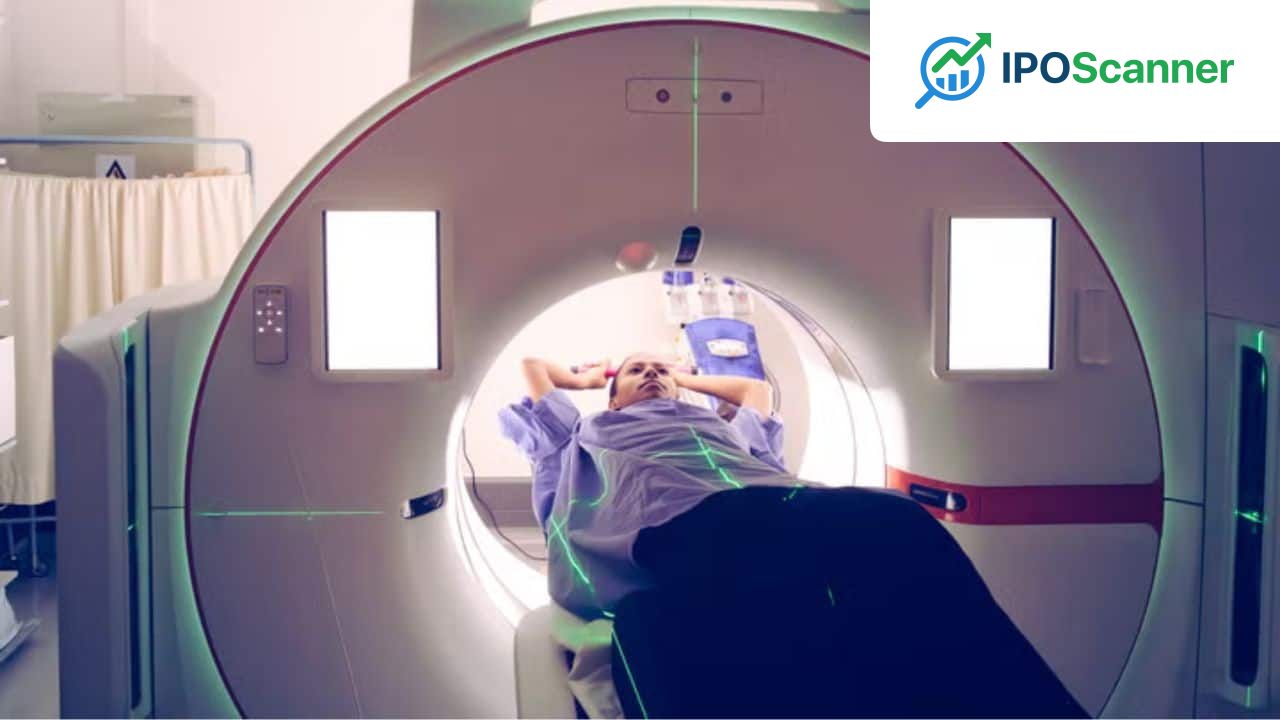
Researchers Develop AI-Powered Diagnostic Tool for Early Pancreatic Cancer Detection
Early Detection of Pancreatic Cancer: AI Model Shows Promise
A recent study published in the journal Gut has revealed a new artificial intelligence (AI) model developed by the Mayo Clinic that can detect pancreatic cancer up to three years before it is clinically diagnosed. This breakthrough offers fresh hope for the early treatment of a disease that is often caught too late.
The system, called the Radiomics-based Early Detection Model (REMOD), analyzes routine abdominal CT scans to identify subtle tissue changes that are not visible to the human eye. In a study involving nearly 2,000 scans initially reported as normal, the AI detected 73 percent of cancers at a median of about 16 months before diagnosis, nearly doubling the detection rate of specialist radiologists.
Pancreatic cancer is among the most lethal forms of cancer, largely because it rarely shows symptoms in its early stages. More than 85 percent of cases are diagnosed after the disease has already spread, significantly reducing survival chances. Researchers say earlier detection could make curative treatment possible for more patients.
Read also: 60 Minutes' Future Under Scrutiny Amid CBS News Turmoil
The REMOD system works by measuring hundreds of features related to tissue texture and structure, identifying early biological changes before tumors form. In some cases, the model flagged signs of cancer more than two years in advance, and its performance was particularly strong in scans taken well before diagnosis.
Cancer Detection Comparison
| Detection Method | Detection Rate | Median Time Before Diagnosis |
|---|---|---|
| Specialist Radiologists | 40% | 26 months |
| AI (REMOD) | 73% | 16 months |
Experts say this technology represents a major step forward in cancer diagnostics. By detecting what researchers describe as the "signature" of cancer in an otherwise normal-looking pancreas, the tool could shift diagnosis from late-stage disease to earlier, more treatable stages.
Read also: Uber Driver Allegedly Assaults Passenger in Mumbai Over Unpaid Fare Dispute
The study was designed to reflect real-world clinical conditions, using scans from multiple institutions and imaging systems. The model also demonstrated consistent results across repeated scans, suggesting potential for monitoring high-risk patients over time.
Researchers say the results are encouraging, but the model still needs more testing before it can be used in routine care. They plan to study it across larger and more varied patient groups to confirm that it works reliably in everyday clinical settings. If proven effective and adopted, AI-based screening could help detect pancreatic cancer earlier and improve survival rates. The disease is already one of the leading causes of cancer deaths in the United States and continues to have a very low five-year survival rate due to late diagnosis.
More in News

60 Minutes' Future Under Scrutiny Amid CBS News Turmoil

Uber Driver Allegedly Assaults Passenger in Mumbai Over Unpaid Fare Dispute

Sanjeevani-United Against Cancer Takes Silver at 2026 Clio Health Awards for 'The Pink Tag Project' Initiative