Rebuilding Credit after Loan Default: A Step-by-Step Recovery Guide
Credit Score Recovery Post-Default: A Step-by-Step Guide
Understanding the Impact of a Loan Default
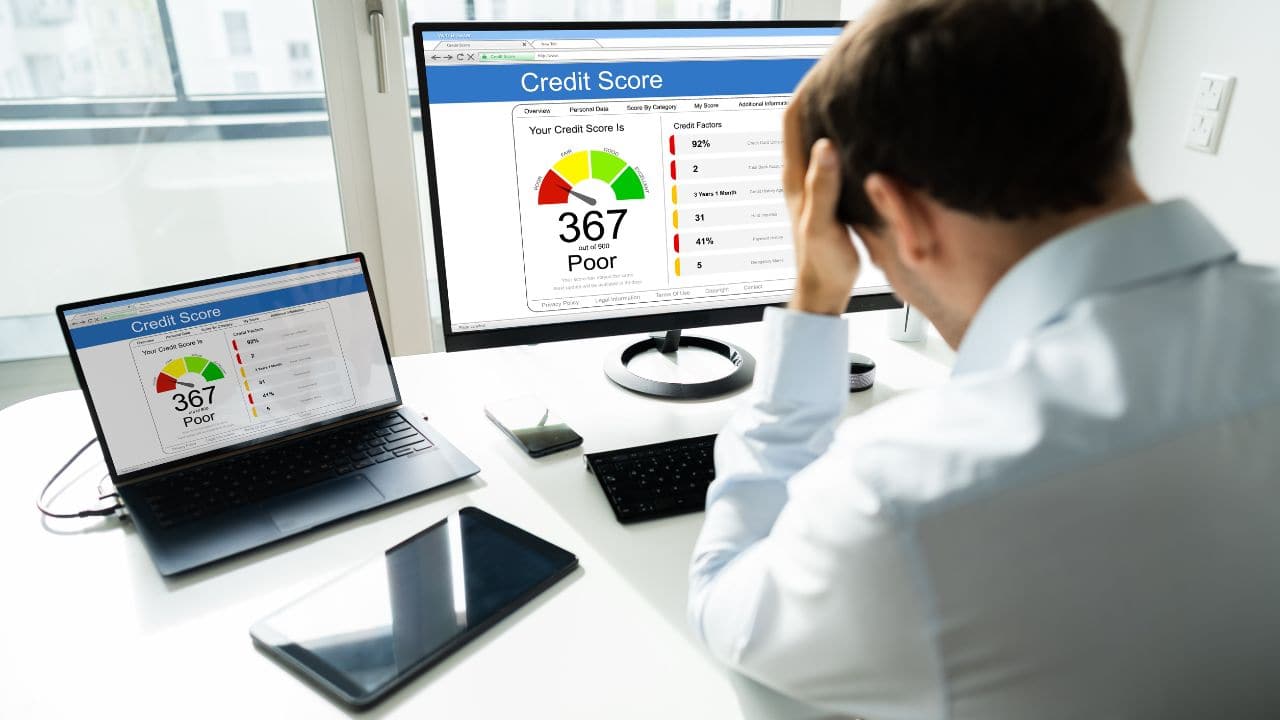
A loan default can significantly impact an individual's credit score, causing it to drop sharply. However, it is essential to recognize that the score does not remain frozen at the low point. Instead, it continues to recalculate based on an individual's behavior over time.
Reviewing Credit Reports and Disputing Errors
Before attempting to improve credit scores, individuals should obtain a copy of their credit report and carefully review the default entry. It is crucial to check the date the default was marked, the amount shown as overdue, and whether the loan is tagged as written off, settled, or still open. Errors are common, especially in older accounts, and even small mistakes can prolong the negative impact on the credit score. If discrepancies are found, individuals should raise a dispute and have the errors corrected.
Stabilizing Finances and Addressing Defaulted Loans
Individuals who are still missing EMIs (Equated Monthly Installments) on other loans or paying credit cards late should prioritize stabilizing their monthly finances before attempting to improve their credit score. This may involve negotiating lower EMIs, closing extra credit cards, or living more tightly for a few months. Once every current payment is on time, the credit score has room to recover.
Managing Defaulted Loans and Rebuilding Credit
Read also: Missing a Single EMI Payment Can Adversely Impact Credit Profile
Individuals who can afford to repay the overdue amount fully should do so, as a closed loan after full repayment looks better to lenders than a "settled" tag. If full repayment is not possible, a settlement is still better than leaving the account unresolved. An open or written-off loan signals neglect, while a settled one at least shows closure. After payment, individuals should follow up until their credit report clearly reflects the updated status.
Rebuilding Credit with Small Commitments
To rebuild trust and improve credit scores, individuals should use credit again in a controlled and almost boring way. A secured credit card or a small loan backed by a fixed deposit works well at this stage. Individuals should use it for routine expenses, keep the balance low, and pay the bill in full every month. This creates fresh, positive data that slowly pushes the default into the background.
Monitoring Progress and Avoiding Traps
After a default, the credit score often improves unevenly. Individuals should focus on the trend rather than monthly fluctuations. Six months of clean payments usually bring the first visible improvement, while a year of consistency makes lenders more receptive. After two to three years, many lenders weigh an individual's recent behavior more heavily than the old default.
Avoiding High-Interest Loans and Aggressive Offers
Individuals should be cautious of high-interest loans and aggressive credit card offers, which often appear after a default. These offers can set traps, and one missed payment on a new account can undo months of progress. Individuals should only take on new credit if it genuinely helps rebuild their profile and fits their cash flow.
Investor Takeaway
Rebuilding credit after a loan default requires accurate data and responsible financial behavior.
More in General
Correcting Credit Score Errors: A Guide to Ensuring Accurate CIBIL Reports and Optimal Loan Eligibility

Missing a Single EMI Payment Can Adversely Impact Credit Profile

EPF Withdrawal Comes with Tax Implications: A Guide to Understanding the Consequences