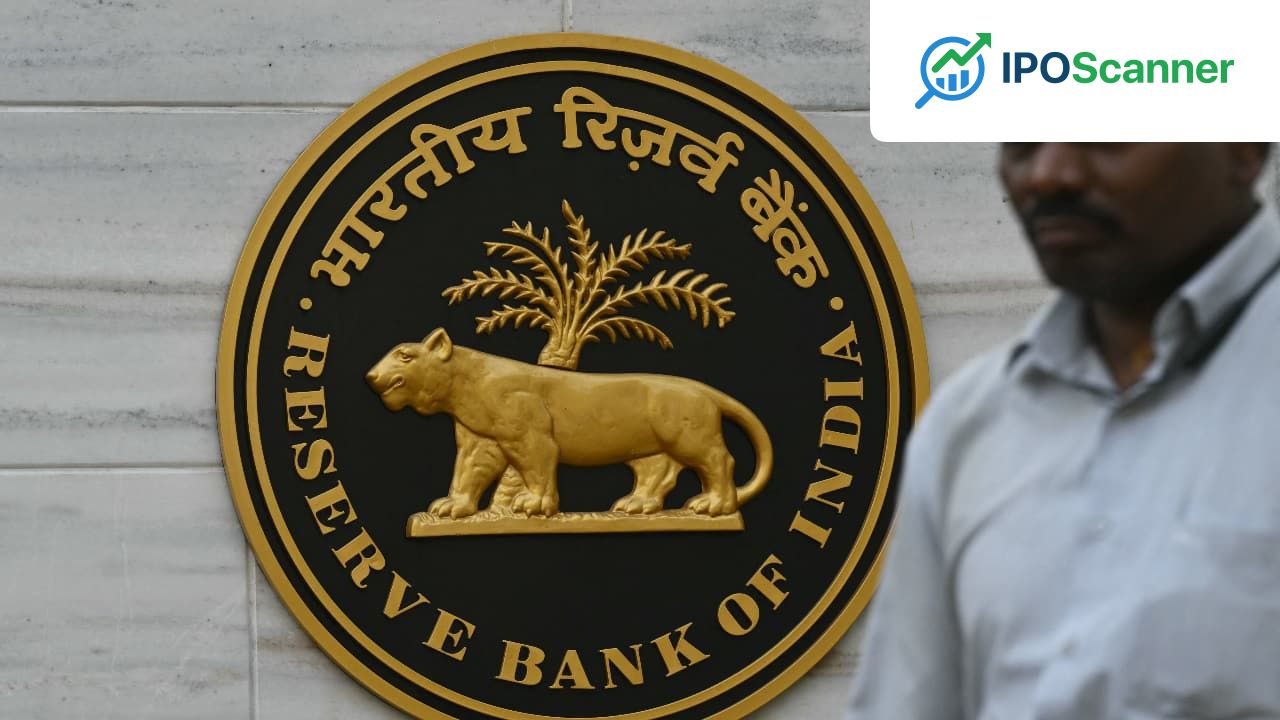
RBI Permits Issuers to Update Existing Electronic Payment Mandates Upon Card Reissuance
Reserve Bank Issues New Directives on Digital Payments
The Reserve Bank of India (RBI) has issued new directives on digital payments, specifically regarding the e-mandate framework. In a consolidated direction issued on Tuesday, the central bank has allowed card issuers to map existing e-mandates to reissued cards.
These changes in instructions on e-mandates were based on feedback from stakeholders, as stated by the RBI. The notification also emphasizes the importance of providing customers with details of grievance redressal in post-transaction notifications. Furthermore, the RBI has directed that no charges shall be levied on customers for availing of the e-mandate facility for recurring transactions.
The RBI has also outlined the necessary compliance measures for acquirers, requiring them to ensure that merchants onboarded by them adhere to the central bank's directions. Additionally, the RBI has mandated that issuers establish an appropriate dispute redressal system to facilitate customers in lodging grievances.
The RBI has clarified the guidelines for recurring transactions under e-mandates, stating that these transactions may be authorized without an additional factor of authentication (AFA) up to Rs 15,000 per transaction. Transactions exceeding this amount will be subject to AFA.
| Transaction Type | Maximum Amount (Rs) | AFA Required |
|---|---|---|
| Recurring transactions | 15,000 | No |
| Transactions above 15,000 | 15,000 | Yes |
| Payment of insurance premiums | 1,00,000 | No |
| Subscription to mutual funds | 1,00,000 | No |
| Credit card bill payments | 1,00,000 | No |
The RBI's instructions on limiting liability of customers for unauthorized transactions shall also apply to recurring transactions under e-mandates. This move aims to enhance the security and convenience of digital payments for customers.
More in Market

SpaceX Seeks Record $75 Billion IPO, Potentially Positioning Elon Musk as the World's First Trillionaire

Treasury Yields Experience Largest Increase in Two Weeks Following Release of Labor Market Data

US-Iran Tensions Spark Uptick in Oil Prices Amid Global Market Decline