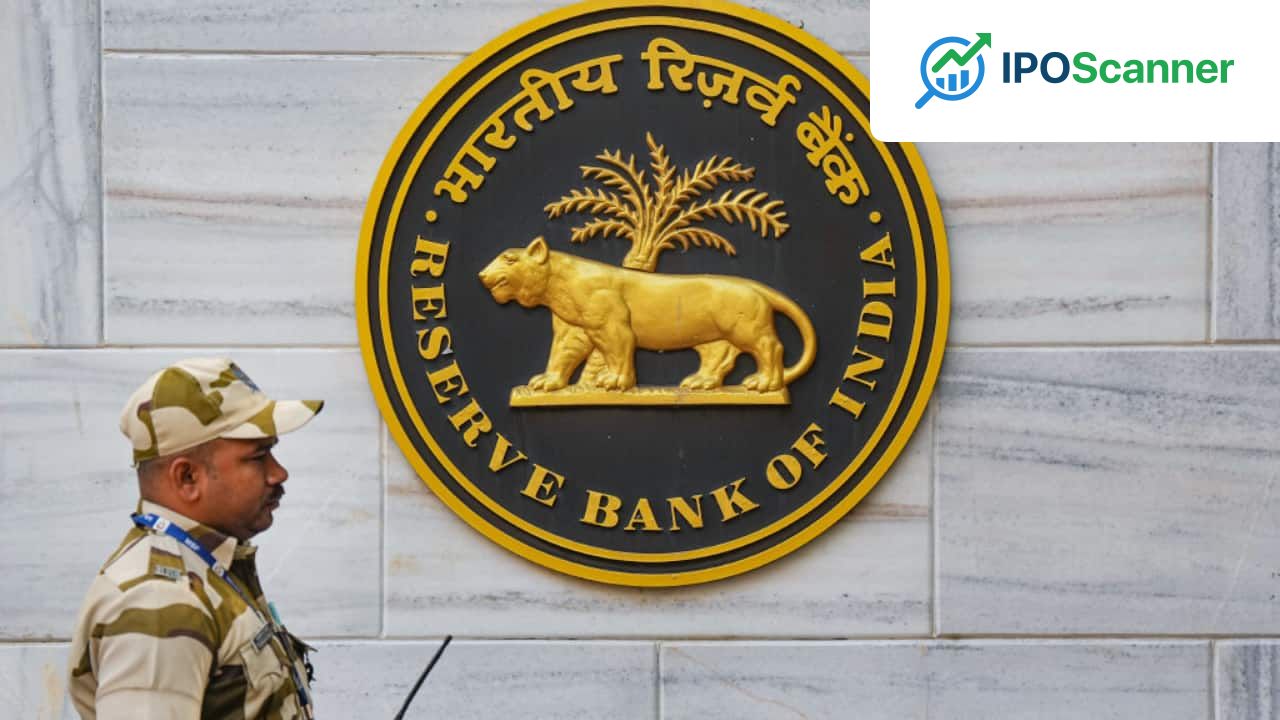
RBI Delays Countercyclical Capital Buffer, Declines to Impose Extra Bank Capital Provision
Reserve Bank of India Decides Against Activating Countercyclical Capital Buffer
The Reserve Bank of India (RBI) has announced that it will not be activating the countercyclical capital buffer (CCyB) at this time. This decision was made in accordance with the framework outlined in the RBI's (Commercial Banks - Prudential Norms on Capital Adequacy) Directions, 2025.
The framework, which has been established to guide the RBI's decision-making process on CCyB activation, stipulates that the credit-to-GDP gap will be the primary indicator used in conjunction with other supplementary indicators. The decision to activate CCyB would normally be pre-announced.
The RBI has stated that, after reviewing and analyzing CCyB indicators, it has been determined that activating CCyB is not necessary at this point in time.
Read also: Treasury Yields Experience Largest Increase in Two Weeks Following Release of Labor Market Data
The countercyclical capital buffer regime has two primary objectives. Firstly, it requires banks to build up a buffer of capital during good times, which can then be used to maintain the flow of credit to the real sector in difficult times. Secondly, it aims to achieve a broader macro-prudential goal by restricting the banking sector from engaging in indiscriminate lending during periods of excess credit growth, which can lead to the buildup of system-wide risk.
The introduction of the CCyB framework can be attributed to the 2008 global financial crisis, which led the Group of Central Bank Governors and Heads of Supervision (GHOS) to envision a framework for countercyclical capital measures.
| Indicator | Current Value | Target Value |
|---|---|---|
| Credit-to-GDP Gap | 70% | 60% |
| Non-Performing Assets (NPA) Ratio | 5.5% | 5.0% |
| Capital Adequacy Ratio (CAR) | 14.3% | 13.5% |
More in Economy

Treasury Yields Experience Largest Increase in Two Weeks Following Release of Labor Market Data

US-Iran Tensions Spark Uptick in Oil Prices Amid Global Market Decline

MoSPI Releases Uniform Norms for DDP Estimates with 2022-23 Base Year

