Qatar's LNG Export Halt Reaches Longest Duration Since at Least 2008
Global LNG Market Under Pressure as Ras Laffan Facility Experiences Historic Downtime
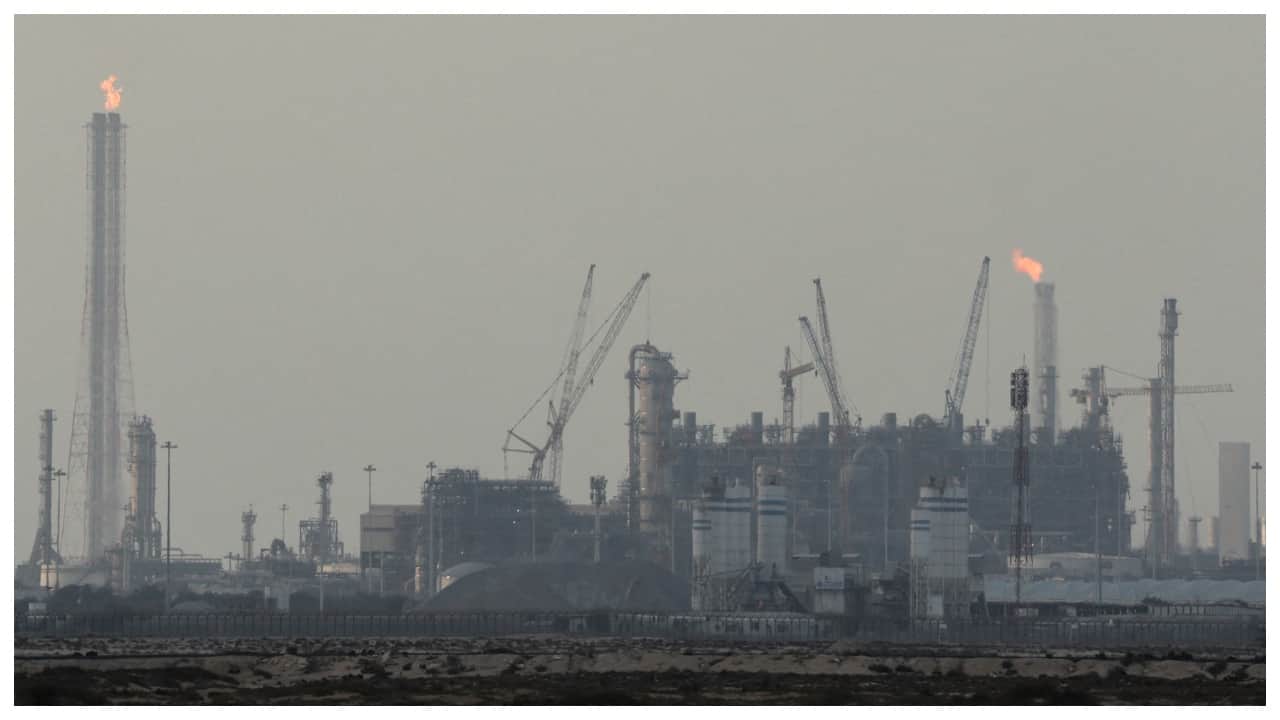
Qatar's Ras Laffan liquefied natural gas (LNG) export plant, the world's largest, has not exported a shipment for five consecutive days, marking the longest streak in data available since 2008. This development has significant implications for the global LNG market, potentially leading to increased prices for the fuel.
According to Bloomberg's analysis of Kpler ship-tracking data, no LNG ships have traversed the Strait of Hormuz since February 28, when the US and Israel launched strikes on Iran. This unprecedented closure of the Ras Laffan facility, which supplies nearly 20% of the world's LNG, has already resulted in a jump in gas prices in Europe and Asia.
The Ras Laffan facility's downtime was triggered by an Iranian drone attack early last week. Although the plant loaded a few shipments after stopping output, this was likely done using fuel from storage tanks, with the last shipment loaded on Friday. The majority of Qatar's LNG supply goes to importers in Asia, which are now seeking replacements or reducing supply to end-users, such as fertilizer plants and industries. An extended outage at the Ras Laffan facility could tighten the global LNG market and lead to shortages in cash-strapped emerging nations.
Read also: Treasury Yields Experience Largest Increase in Two Weeks Following Release of Labor Market Data
Investor Takeaway
Investors should be cautious of potential price increases in the global LNG market due to the prolonged export halt.
More in Economy

Treasury Yields Experience Largest Increase in Two Weeks Following Release of Labor Market Data

US-Iran Tensions Spark Uptick in Oil Prices Amid Global Market Decline

MoSPI Releases Uniform Norms for DDP Estimates with 2022-23 Base Year

