Premium Retail Demand Sees Surge, Expansion Hindered by Mall Space Shortage
India's Luxury Retail Market Faces Supply-Side Crunch
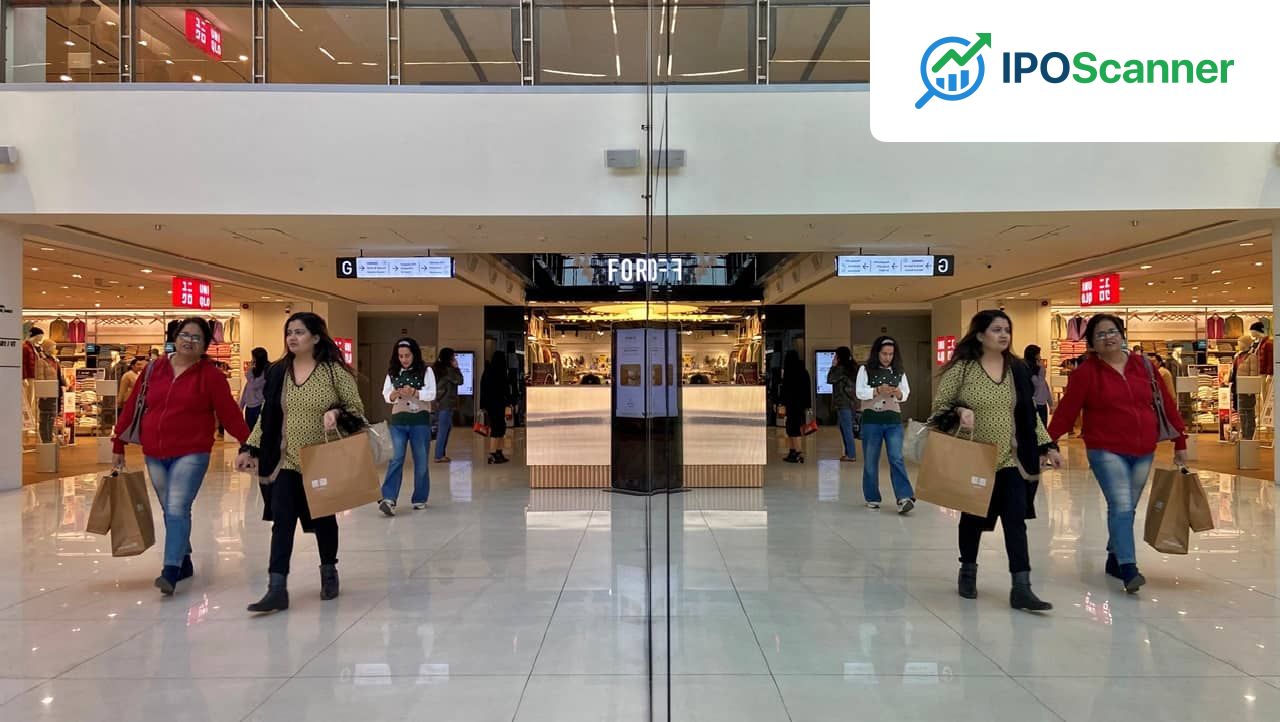
The Indian luxury retail market is grappling with a supply-side problem, as high-quality mall space becomes increasingly hard to find in major cities. Despite rising consumer demand, vacancy rates in Grade-A and luxury malls have fallen sharply, making it challenging for premium and luxury brands to expand their store networks.
According to data from Cushman & Wakefield, vacancy in Grade-A malls across India's top eight markets dropped to 5.7 percent in the March quarter, down from the year-ago period. The vacancy rate in Grade-A+ malls, which typically house premium and luxury brands, was even lower at 2.6 percent.
The challenge is not consumer demand, but the lack of world-class retail infrastructure to match India's market scale. As a result, brands with ambitious growth plans are competing for limited premium retail space, leading to longer wait times, higher lease premiums, and delayed store openings.
Several large brands are seeking Grade-A retail space in premium and luxury malls, but leasing has slowed due to limited vacancy. Property consultants say that even in Tier-2 markets, such as Chandigarh, Jaipur, Lucknow, and Mangaluru, high-quality retail space is scarce.
| Market | Vacancy Rate (Grade-A Malls) | Vacancy Rate (Grade-A+ Malls) |
|---|---|---|
| Delhi-NCR | 0-2 percent | Not available |
| Mumbai | Not available | Up to 2.6 percent |
Rentals at marquee malls such as Phoenix Palladium and Jio World Drive have reached up to Rs 777 per sq ft a month, according to a recent report by Anarock. This has put a huge strain on the balance sheet of gourmet food firm Elixiir Foods, which cited an example of land owners asking for Rs 40 lakh in rent for a small piece of property.
The shortage of high-quality retail space has been exacerbated by limited new supply, as developers focus more on residential and office projects. Well-located land parcels suitable for malls remain scarce and expensive, industry executives say.
Read also: Treasury Yields Experience Largest Increase in Two Weeks Following Release of Labor Market Data
In response to the supply-side crunch, premium brands are becoming more flexible in their retail strategies. While metros remain critical for visibility, brand-building, and high-value consumption, companies are also evaluating select Tier 2 markets, multi-brand outlets, and online channels to expand their reach.
Rising incomes, wider brand awareness, and the influence of digital commerce have made several Tier 2 cities more attractive for premium brands than they were a few years ago. Luxury brands are becoming more cautious about moving too aggressively beyond metros, however, due to concerns around brand and returns.
Industry experts say that redevelopment of "ghost malls" in prime locations can help ease the shortage. Knight Frank estimates that 74 malls, or about one-fifth of India's malls, are "ghost malls," marked by poor footfalls, high vacancy, and weak maintenance. About 15 of these malls, largely in Grade-B and C categories, can be revived with limited investment and generate significant rental income.
According to Anarock, mall redevelopment could open up 40-50 million sq ft of retail space, helping expand consumption demand and attract more investors, including REITs and private equity funds, into the sector.
Investor Takeaway
Investors should be cautious of the challenges faced by premium retail brands in India due to a shortage of high-quality mall space.
More in Market

SpaceX Seeks Record $75 Billion IPO, Potentially Positioning Elon Musk as the World's First Trillionaire

Treasury Yields Experience Largest Increase in Two Weeks Following Release of Labor Market Data

US-Iran Tensions Spark Uptick in Oil Prices Amid Global Market Decline