Pope Leo XIII's Warning on Artificial Intelligence Falls on Deaf Ears in Silicon Valley
Pope Leo XIV Warns of AI Risks, but Silicon Valley Leaders See a New Form of Intelligence
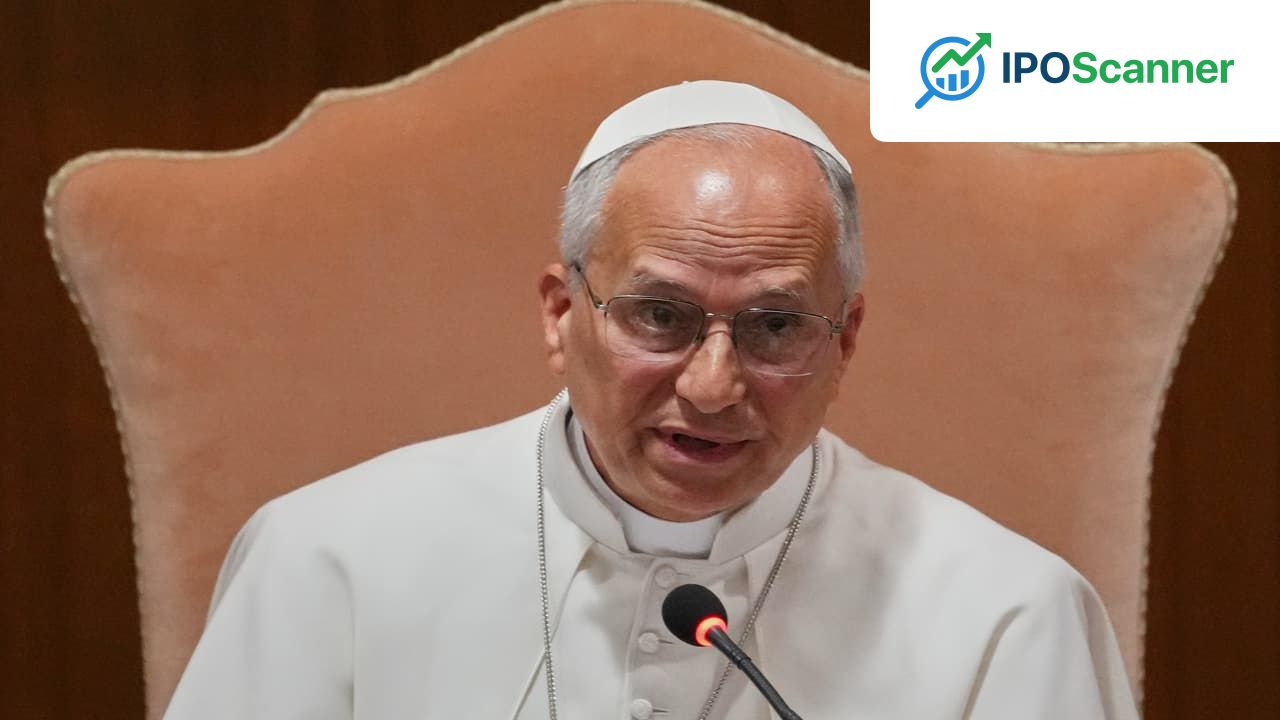
A major debate around artificial intelligence has opened up this week after Pope Leo XIV released a lengthy public letter urging governments, companies, and researchers to approach AI with caution. The Vatican document argued that artificial intelligence, regardless of how advanced it becomes, cannot truly replicate what makes human beings human.
According to the Pope, machines may imitate behavior and intelligence, but they do not experience love, pain, responsibility, friendship, or emotional growth the way people do. The Pope also warned that societies relying too heavily on automation could end up creating economic and social instability by removing meaningful work from large sections of the population. He described work not simply as a source of income, but as something deeply connected to personal fulfillment, maturity, and human identity.
In contrast, leaders inside Silicon Valley appear to be increasingly embracing AI as a new form of intelligence that may fundamentally reshape civilization itself. Jeremy Nixon, founder of the San Francisco-based "AGI House," a gathering space connected to many influential artificial intelligence researchers and entrepreneurs, argued that the Vatican and Silicon Valley are not truly operating from the same worldview.
Read also: Kumar Mangalam Birla to Address Concluding Function of RSS Training Camp
Nixon suggested that traditional religion holds less influence among younger technologists who grew up believing scientific and technological progress offered more tangible answers than organized faith. He also noted that some researchers now openly speak about creating "machine God"-like systems without irony. This perspective is reflected in the work of researchers like Christopher Olah, co-founder of Anthropic, who described discoveries inside advanced AI systems that appear to mirror certain aspects of human neuroscience and emotional states.
| Company | Focus | Philosophy |
|---|---|---|
| Vatican | Human dignity | Protecting human values |
| Silicon Valley | Artificial intelligence | Creating a new form of intelligence |
The Vatican's position is centered on protecting human dignity and ensuring technology remains subordinate to human values. Meanwhile, parts of Silicon Valley increasingly speak about artificial intelligence not just as a tool, but as the possible next stage of intelligence itself. This gap may only widen as AI systems become more powerful in the years ahead.
Investor Takeaway
Investors should be cautious of the potential long-term consequences of relying too heavily on automation.
More in General
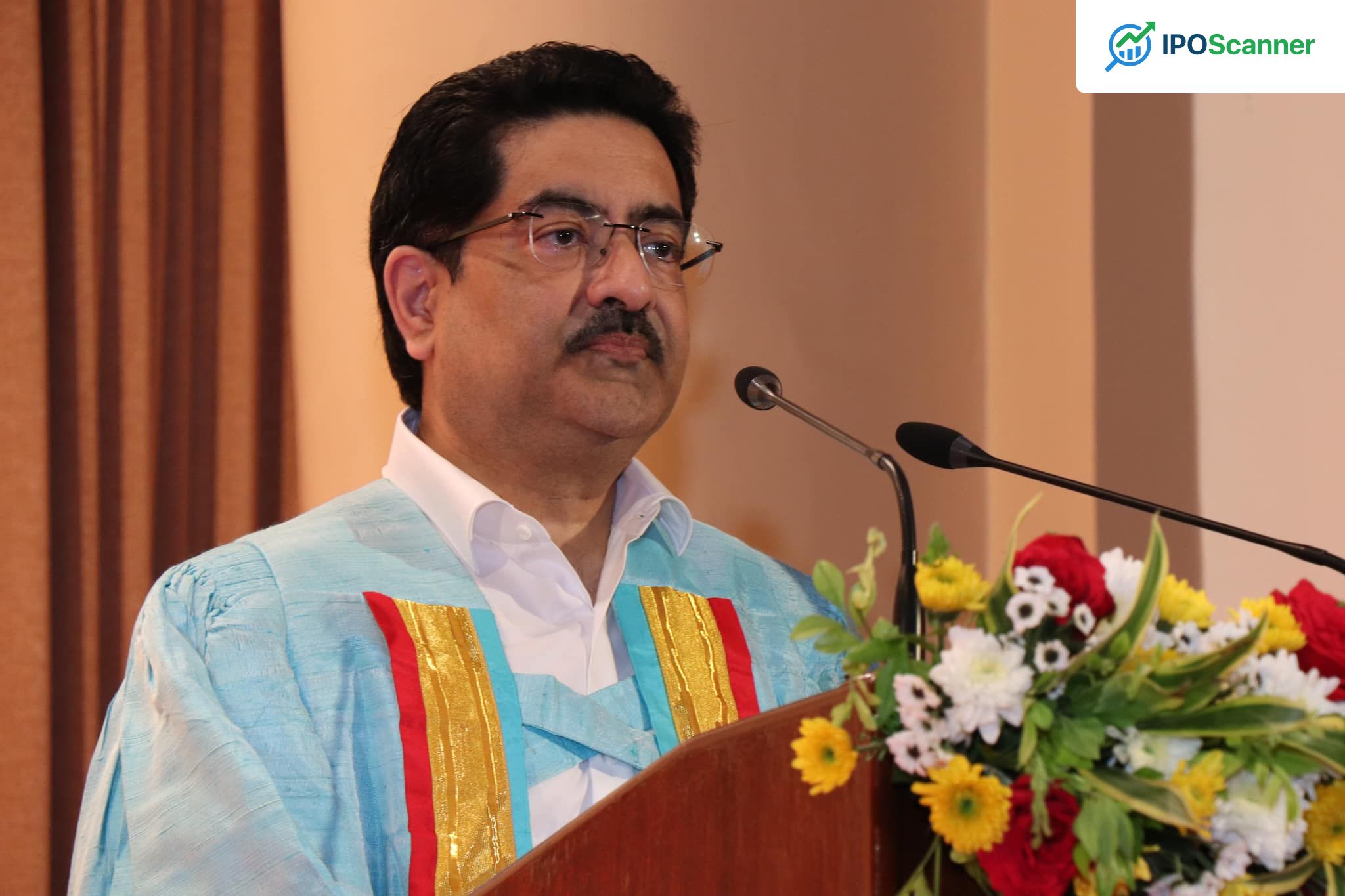
Kumar Mangalam Birla to Address Concluding Function of RSS Training Camp

The Cost of Healthcare: Why Predictability in Medical Inflation is Crucial for Health Insurance
Former Google Executive Warns AI Risks Stem from Human Misuse, Not Technological Limitations