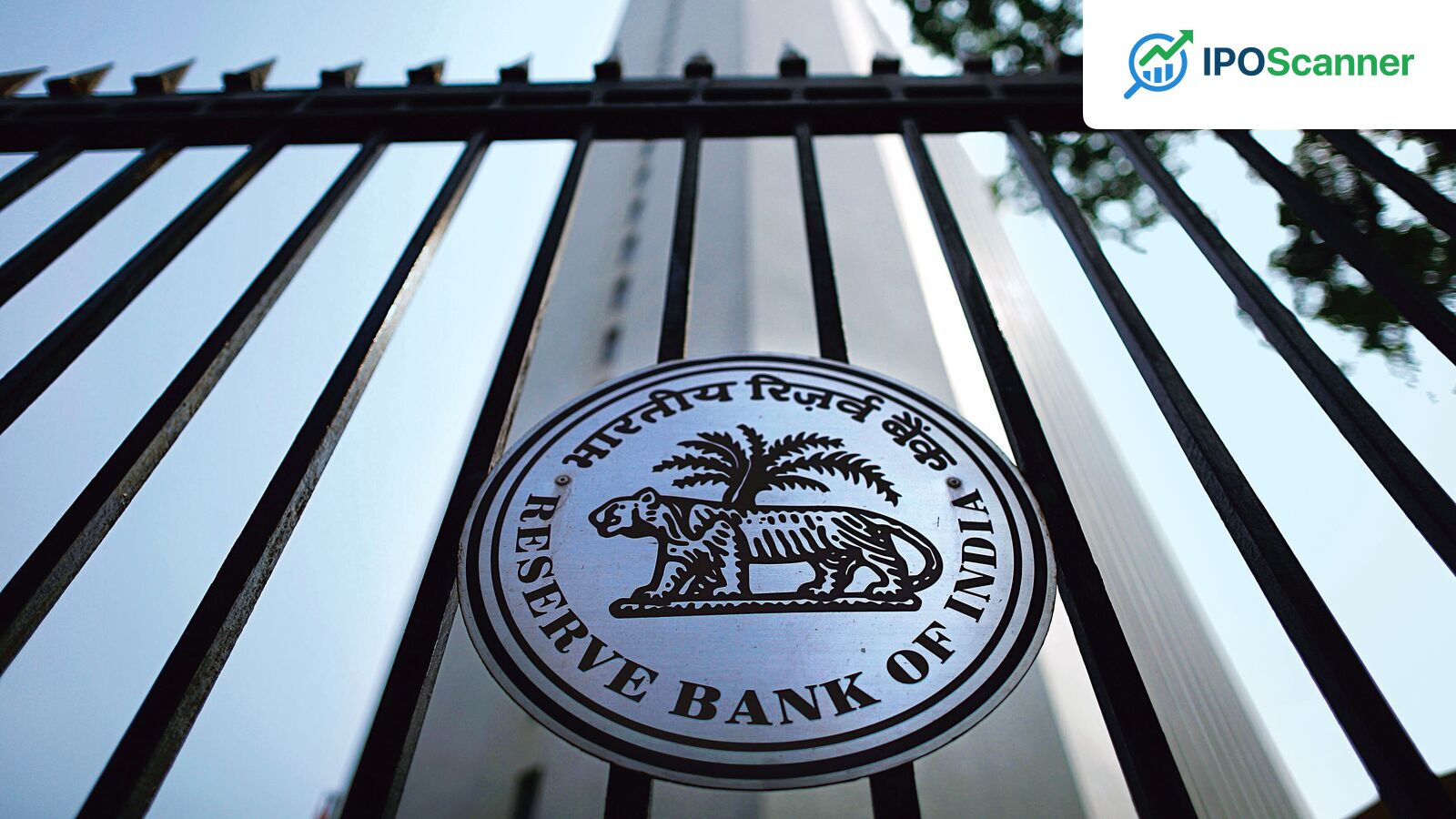
PM Narendra Modi's Speech Triggers Speculation of Rate Hike at Next RBI Monetary Policy Committee Meeting
Indian Stock Market Reacts to PM Modi's Call to Conserve Forex Reserves
The Indian stock market experienced a significant downturn following Prime Minister Narendra Modi's call to conserve foreign exchange reserves by reducing imports, cutting fuel and fertilizer consumption, and limiting international travel. While the PM's speech aimed to preserve forex reserves during the ongoing US-Iran conflict in the Middle East, the market interpreted it as a sign of domestic economic stress, leading to panic selling.
The Indian economy is heavily reliant on imports, with crude oil accounting for nearly 20% of total imports, gold around 9%, and fertilisers about 2%. Additionally, nearly 58% of total remittances under the Liberalised Remittance Scheme (LRS) - amounting to roughly $30 billion in FY25 - is attributed to international travel. Remittances for overseas equity investments have also risen sharply, increasing to 8.4% from 3.1% in FY19.
The ongoing US-Iran conflict has put pressure on the external balances of emerging market economies, including India. Since the conflict began in February 2026, crude oil prices have remained elevated, with Brent crude sustaining above $105 per barrel. This has led to a depreciation of the rupee, which has fallen 10% against the US dollar in FY26, with nearly 4% of the weakness attributed to the conflict.
Read also: Treasury Yields Experience Largest Increase in Two Weeks Following Release of Labor Market Data
The primary concern remains the potential disruption of the Strait of Hormuz, which has intensified inflationary pressures across industries due to supply constraints in key commodities, particularly fuel. Rising inflation concerns are expected to influence the Reserve Bank of India's monetary policy outlook.
| Indicator | FY19 | FY26 |
|---|---|---|
| Brent Crude Price (per barrel) | $62.50 | $105.00 |
| Rupee Depreciation (vs. US dollar) | - | 10% |
| Remittances under LRS (FY25) | - | $30 billion |
| Remittances for overseas equity investments (FY19) | 3.1% | 8.4% |
Analysts believe that it is premature to expect a repo rate hike by the RBI at this stage. Nikunj Saraf, CEO of Choice Wealth, notes that the government's focus on controlling non-essential imports, prudent forex management, and maintaining macroeconomic resilience indicates policymakers are mindful of inflationary and currency-related risks. However, the RBI's policy decision will continue to depend largely on incoming macroeconomic data, particularly inflation trends, crude oil prices, liquidity conditions, and global monetary developments.
Sunny Agrawal, Head of Fundamental Research at SBI Securities, echoes a similar view, stating that the current developments are unlikely to trigger an immediate rate hike by the RBI. Agrawal points out that the RBI had already marginally revised its inflation forecast upward in the previous monetary policy meeting, while concerns surrounding the West Asia crisis had also been acknowledged in the RBI Governor's commentary earlier.
Read also: US-Iran Tensions Spark Uptick in Oil Prices Amid Global Market Decline
In conclusion, while the Indian stock market has reacted negatively to PM Modi's call to conserve forex reserves, analysts believe that it is unlikely to trigger an immediate rate hike by the RBI. The broader takeaway from the Prime Minister's speech is that both the government and the RBI are likely to prioritize economic stability over aggressive policy support measures.
Investor Takeaway
Investors should be cautious of potential rate hikes and economic stress in India.
More in Economy

Treasury Yields Experience Largest Increase in Two Weeks Following Release of Labor Market Data

US-Iran Tensions Spark Uptick in Oil Prices Amid Global Market Decline

MoSPI Releases Uniform Norms for DDP Estimates with 2022-23 Base Year

