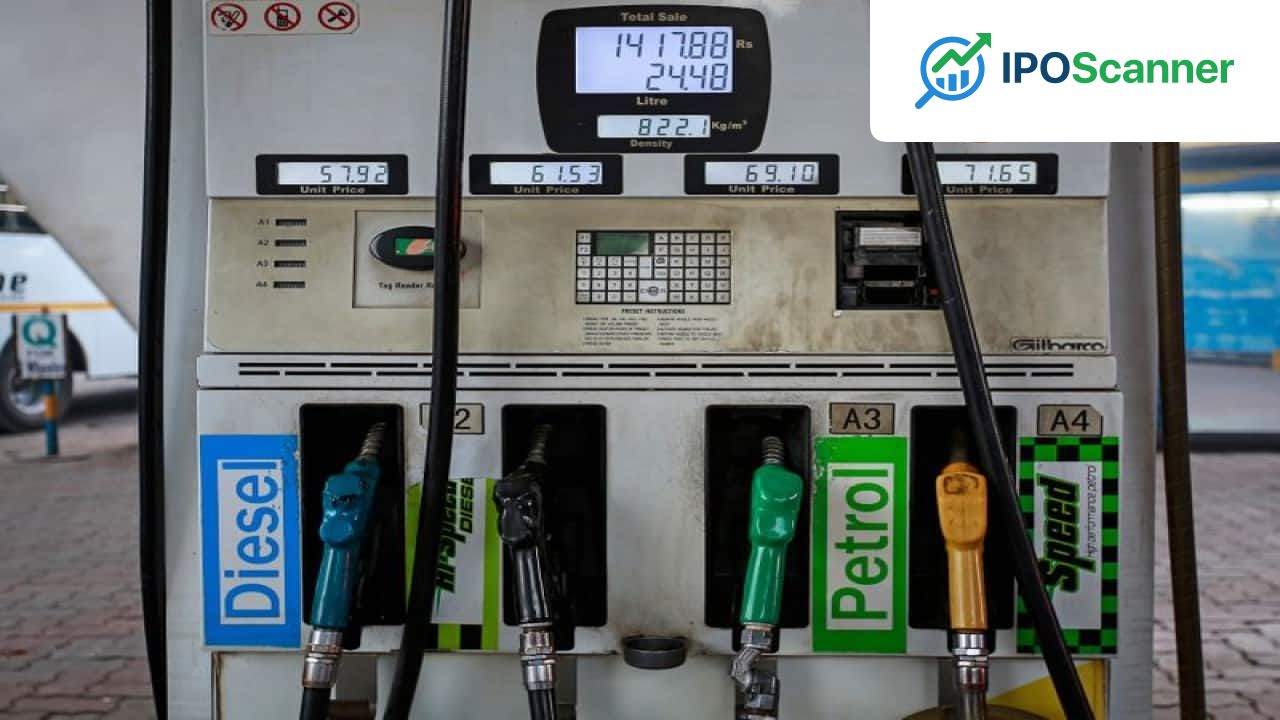
Petrol and Diesel Prices in India Expected to Increase
India's Petrol and Diesel Prices on the Verge of Steep Hike
India's petrol and diesel prices are poised for one of their steepest hikes ever, with the only obstacle being the ongoing election calendar. According to a report by domestic brokerage Kotak Institutional Equities, prices could rise by Rs 25–28 per litre once the final phase of Assembly elections concludes on April 29.
The current crude oil levels of around $120 per barrel have created a significant gap between what India pays for crude and what consumers pay at the pump. This gap is too large for refiners or the government to absorb for much longer, given that state-run refiners are currently losing an estimated Rs 270 billion every single month.
India's Retail Fuel Prices Remain Frozen
Read also: Treasury Yields Experience Largest Increase in Two Weeks Following Release of Labor Market Data
Despite the global crude oil markets becoming significantly more expensive, India's retail petrol and diesel prices have remained frozen. The reason behind this is straightforward: election season. With Assembly elections underway, the government has little appetite for a move that would immediately hit household budgets and generate political backlash.
The freeze on fuel prices comes at a cost, and that cost is being absorbed by India's state-run refiners. According to Kotak Institutional Equities, the incremental burden on refiners from the gap between crude costs and retail prices has reached approximately Rs 270 billion per month.
| Refiner Losses | Current Losses (Rs billion) |
|---|---|
| State-run refiners | 270 |
Government Measures Fall Short
Read also: US-Iran Tensions Spark Uptick in Oil Prices Amid Global Market Decline
The government has taken some steps to cushion the blow, including cutting excise duty by Rs 10 per litre and reinstating windfall export taxes. However, these measures are partial and do not address the underlying pressure building up.
Crude Oil Prices Surge
The surge in crude prices is being driven by a confluence of factors, all of which centre on the West Asia conflict and its impact on global supply routes. The Strait of Hormuz, through which a significant share of global crude passes, has seen severe disruption. Additionally, a widening gap between crude futures prices and physical market prices indicates persistent supply stress with limited near-term relief in sight.
| Crude Oil Price Comparison | Global Crude Oil Price (US $/barrel) |
|---|---|
| 2026 Q1 | $120 |
Impact on Indian Consumers
A Rs 25–28 per litre hike in fuel prices would be significant for Indian consumers. To put it in context, petrol currently retails at around Rs 94–96 per litre in most major cities. A hike of this scale would push prices toward Rs 120 per litre, levels India has never seen at the pump. The ripple effects would extend beyond the pump, affecting logistics costs, last-mile delivery pricing, auto sector demand, and rural consumption patterns.
Investor Takeaway
Investors should be prepared for potential price increases in petrol and diesel in India.
More in Economy

Treasury Yields Experience Largest Increase in Two Weeks Following Release of Labor Market Data

US-Iran Tensions Spark Uptick in Oil Prices Amid Global Market Decline

MoSPI Releases Uniform Norms for DDP Estimates with 2022-23 Base Year

