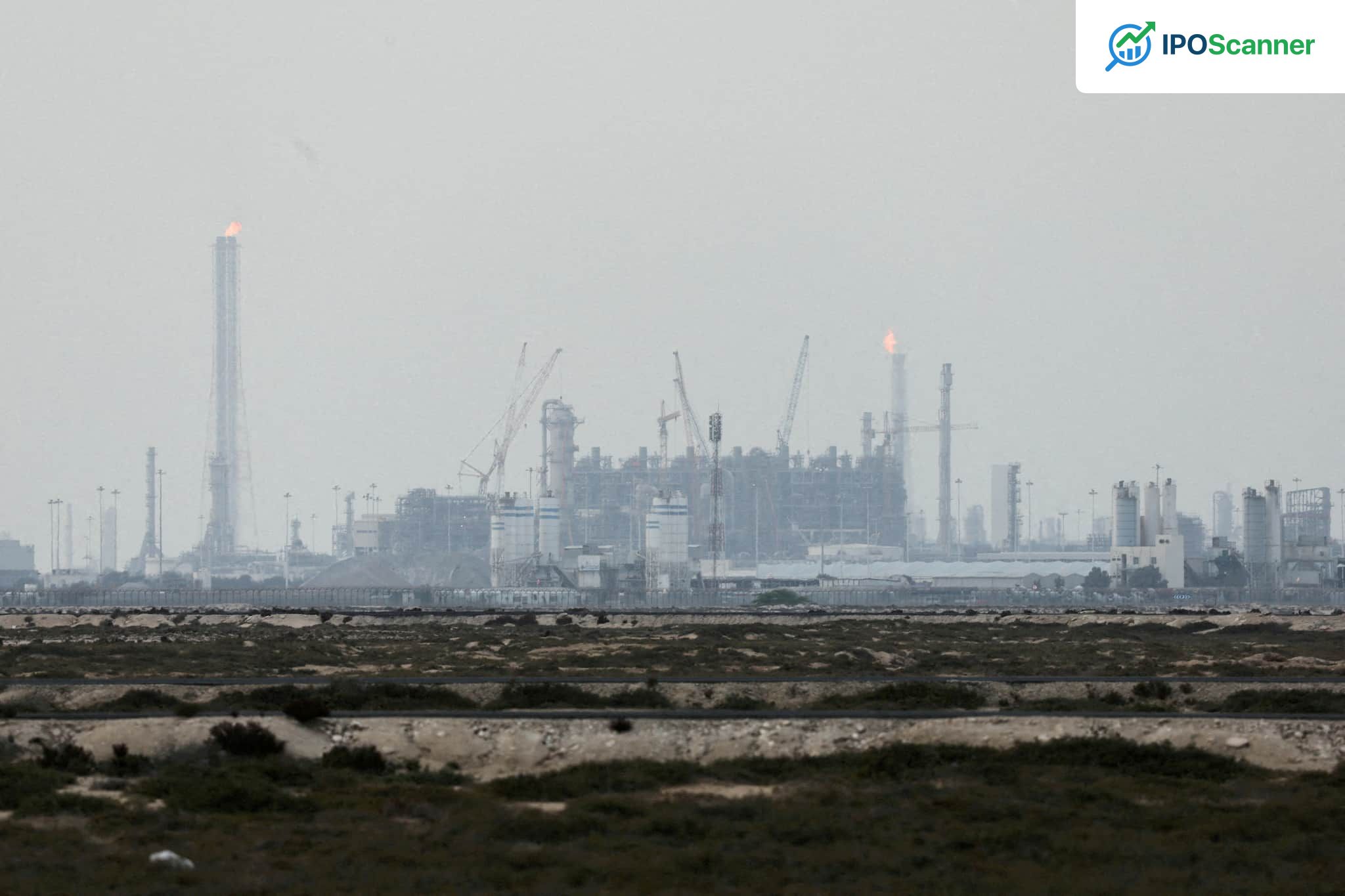
Pakistan Faces Risk of Liquefied Natural Gas Shortage Within 10 Days Amid Ongoing Export Disruption from Qatar
Pakistan's Energy Crisis Worsens Amid Escalating Global Tensions
Overview
Pakistan is facing a severe energy crisis, with its liquefied natural gas (LNG) imports expected to run out within the next 10 days. The disruptions to regional supply chains, triggered by a conflict in the Middle East, have halted supplies from Qatar, a country that accounts for nearly 99% of Pakistan's LNG imports.
Supply Chain Disruptions
Read also: Treasury Yields Experience Largest Increase in Two Weeks Following Release of Labor Market Data
Pakistan's LNG import terminals have reduced operations to 16% of their normal levels and are expected to stop dispatching gas entirely by the end of the month. The country's dependence on a single supplier, Qatar, is highlighted by the fact that 99% of its LNG imports last year came from the Gulf state. The last cargoes from Ras Laffan reportedly arrived just days after the conflict began, underscoring the sensitivity of supply flows in the current geopolitical climate.
Alternative Supplies
Before the conflict escalated, Islamabad was dealing with an oversupply of LNG and had requested QatarEnergy to redirect 24 cargoes scheduled for delivery this year. However, after the outbreak of hostilities, Pakistan LNG attempted to secure alternative cargoes through traders and suppliers in Europe, Oman, the United States, Azerbaijan, and Africa, but all offers were reportedly too expensive.
Global Impact
Read also: US-Iran Tensions Spark Uptick in Oil Prices Amid Global Market Decline
The conflict has disrupted energy infrastructure and shipping routes across the region, forcing QatarEnergy to suspend exports and reducing export capacity by around 17%. Several shipments already en route from Qatar and the United Arab Emirates are among the last expected deliveries before further supply tightening. Global LNG prices have risen sharply, with Asian benchmarks doubling to around $23 per million British thermal units (MMBtu).
Financial Strain
The financial strain has already been reflected domestically, with fuel prices rising sharply. The Pakistani government recently increased petrol and diesel prices by Rs 55 per litre, pushing petrol to Rs 321 per litre and high-speed diesel to Rs 336 per litre. Officials have indicated that further price hikes may follow if the conflict continues.
Diplomatic Developments
Pakistan is emerging as a potential diplomatic player amid the crisis, with reports suggesting that Islamabad is involved in ongoing diplomatic developments. Israeli officials have indicated a possible meeting in Islamabad as early as this week, while US President Donald Trump and Pakistan's army chief Asim Munir have reportedly held discussions.
Investor Takeaway
Investors should be cautious of potential energy price increases and supply chain disruptions in the region.
More in Economy

Treasury Yields Experience Largest Increase in Two Weeks Following Release of Labor Market Data

US-Iran Tensions Spark Uptick in Oil Prices Amid Global Market Decline

MoSPI Releases Uniform Norms for DDP Estimates with 2022-23 Base Year

