OpenAI Chief Denies Betrayal Allegations, Defends Business Model at Trial
OpenAI CEO Sam Altman Denies Betraying Nonprofit's Mission, Says Elon Musk Wanted Control and Profit
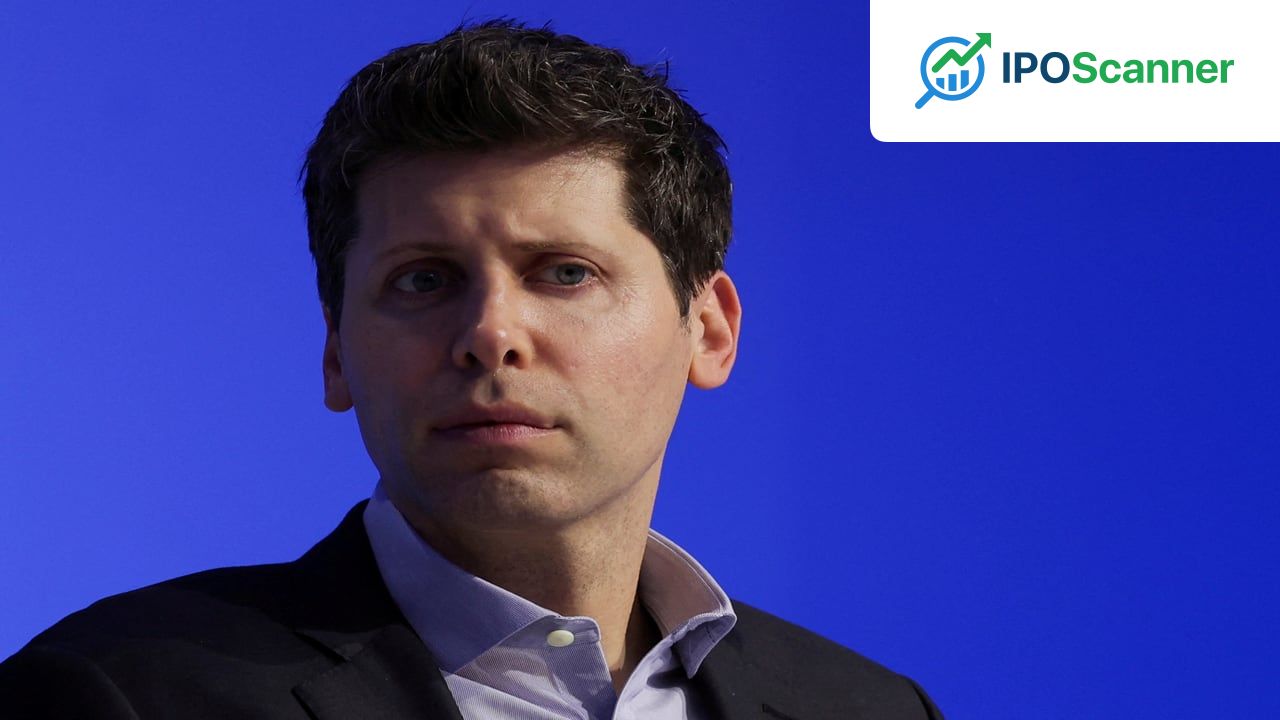
OpenAI Chief Executive Sam Altman has rejected Elon Musk's claim that he betrayed the ChatGPT maker's founding mission to serve the public good. Instead, Altman alleged that Musk was interested in seizing control of OpenAI and making money from it.
The dispute arises from a lawsuit filed by Musk in August 2024, in which he accused Altman and OpenAI of persuading him into giving $38 million, only to see the nonprofit abandon its mission to benefit humanity and instead become a for-profit corporation. The trial, now in its third week, may determine the future of OpenAI and its leadership, as it prepares for a possible initial public offering that could value the business at $1 trillion.
Under questioning from his lawyer in the Oakland, California, federal court, Altman denied Musk's contention that he and OpenAI President Greg Brockman, who is also a defendant, tried to "steal a charity." Altman stated that he hoped OpenAI's continued success would benefit the nonprofit, which has raised $175 billion from private investors across its lifetime.
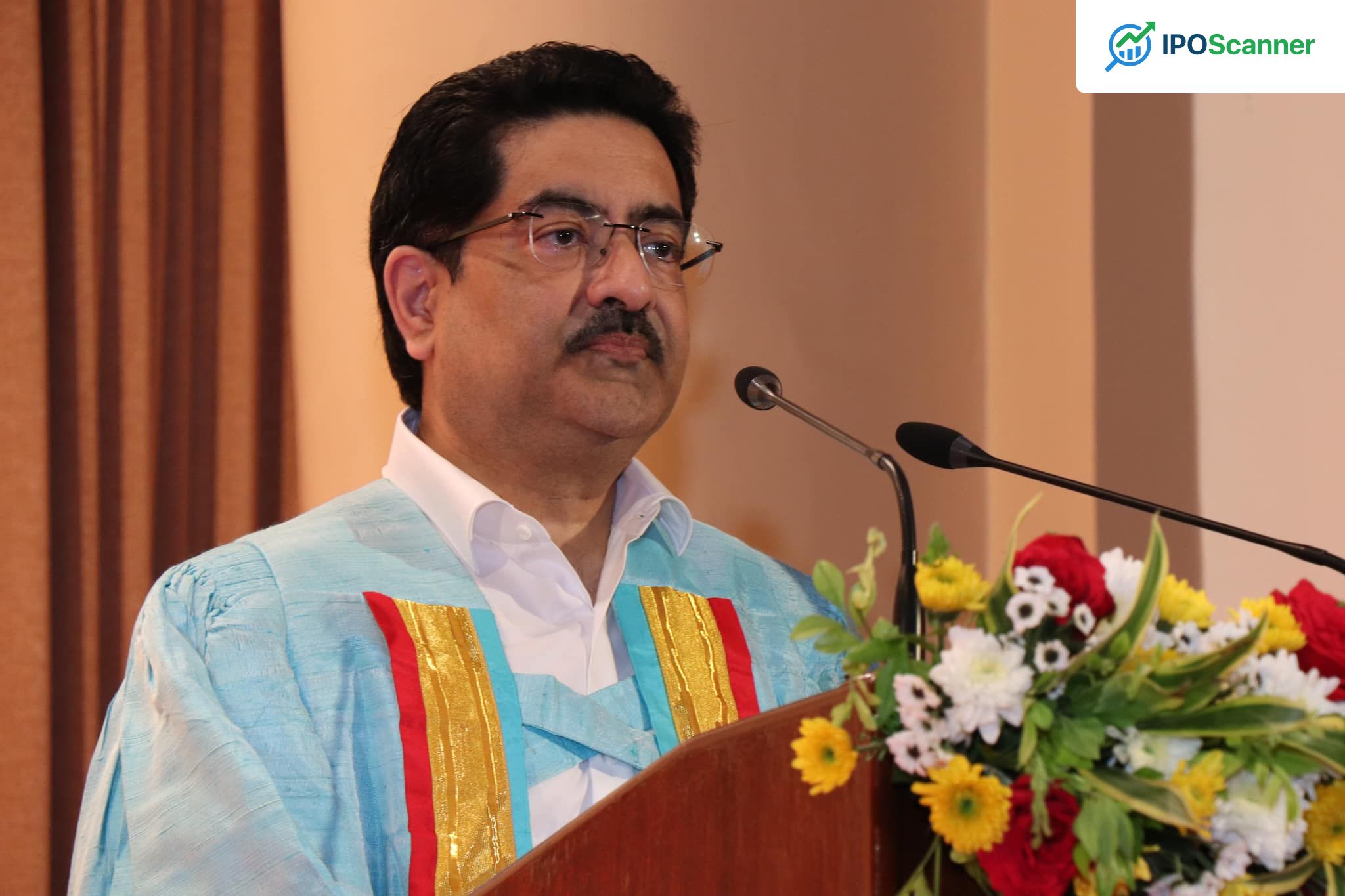
Read also: Kumar Mangalam Birla to Address Concluding Function of RSS Training Camp
Musk, the world's richest person, is seeking about $150 billion in damages from OpenAI and Microsoft, a major investor, to be paid to an OpenAI nonprofit. He also wants Altman and Brockman removed from their roles.
Comparison of OpenAI's Funding
| Source | Funding Amount |
|---|---|
| Private Investors | $175 billion |
| Microsoft | (amount not specified) |
The trial marks a clash among tech giants, with Musk portraying himself as a defender of ordinary people from the perils of artificial intelligence and Silicon Valley titans who care more about money. Musk testified early in the trial that "if you have someone who is not trustworthy in charge of AI, I think that’s a very big danger for the whole world."
Read also: The Cost of Healthcare: Why Predictability in Medical Inflation is Crucial for Health Insurance
Altman, on the other hand, said that Musk once demanded a 90% stake in OpenAI and was "extremely uncomfortable" with ceding majority control. He also recalled that Musk wanted a merger with Tesla, Musk's electric car company, but Altman balked at the proposal, citing concerns that Tesla's mission would be compromised.
Musk's lawyer, Steven Molo, challenged Altman's honesty during a contentious cross-examination, citing testimony from a former OpenAI board member that Altman fostered a "toxic culture of lying" and from seven former OpenAI officials who said Altman wasn't trustworthy. Altman responded that he is an honest and trustworthy business person, but acknowledged that he had considered not returning to OpenAI after being ousted by its board in 2023.
The trial comes after OpenAI raised hundreds of billions of dollars from large technology companies and investors to add computing power. OpenAI's chairman, Bret Taylor, testified separately on Tuesday that OpenAI received a formal takeover offer from a consortium led by Musk's rival company xAI in February 2025, six months after Musk sued.
Testimony may conclude this week, and jurors could begin deliberating whether the defendants are liable by May 18. U.S. District Judge Yvonne Gonzalez Rogers, who oversees the trial, would determine any remedies.
Investor Takeaway
OpenAI's leadership and business model are under scrutiny, which may impact its future and potential IPO.
More in General
Kumar Mangalam Birla to Address Concluding Function of RSS Training Camp

The Cost of Healthcare: Why Predictability in Medical Inflation is Crucial for Health Insurance

Former Google Executive Warns AI Risks Stem from Human Misuse, Not Technological Limitations