Oil Pricing in a Market with Distinct Indian Characteristics
Petrol and Diesel Prices Hike: A Market Price in Isolation
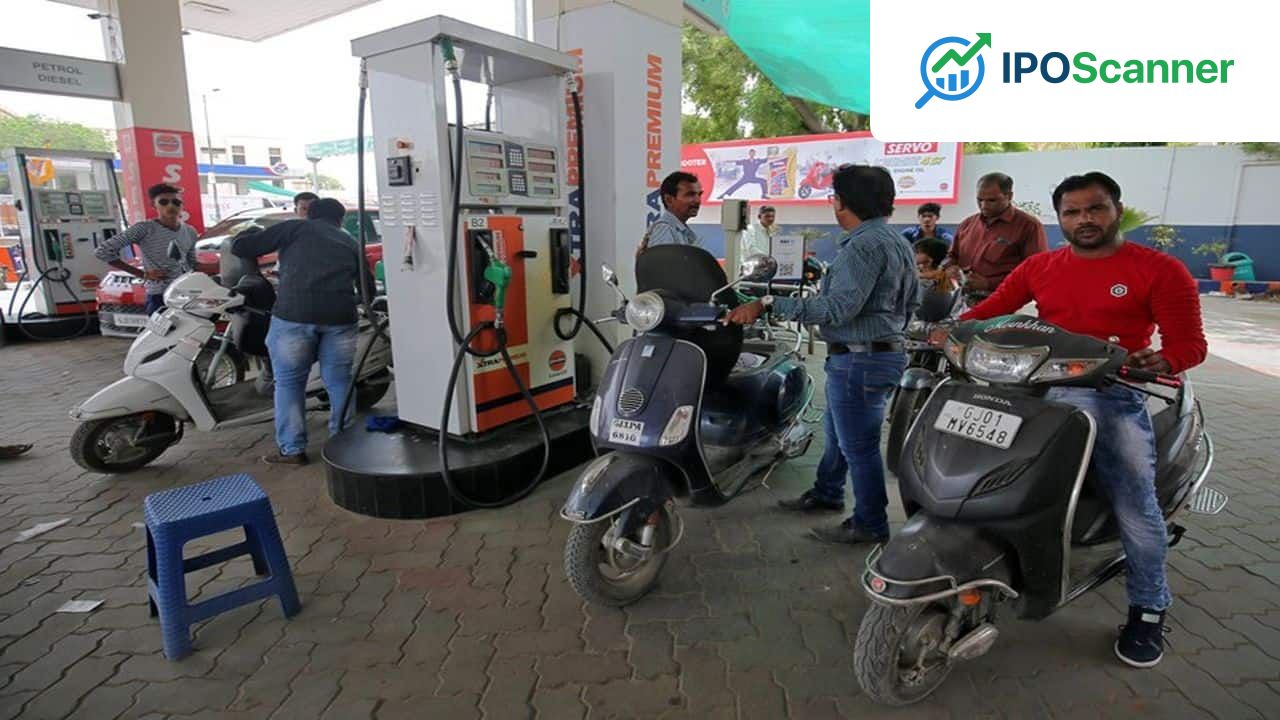
The retail price of petrol and diesel in India has increased by Rs 3 per litre, effective May 15, 2026. This hike comes as a response to the sharp escalation in crude oil prices since March. The increase in price is not unexpected, as the government had hinted at it over the last week.
Crude oil prices are expected to remain volatile in the coming weeks, with potential swings triggered by speculation of a deal between the US and Iran over the blockade of the Strait of Hormuz. However, Indian consumers cannot accurately predict the next change in pump prices due to India's isolated price setting mechanism, which has no link to the trend in crude oil prices.
A Market Price in Isolation
Read also: Treasury Yields Experience Largest Increase in Two Weeks Following Release of Labor Market Data
The government's stock reply in Parliament regarding the price setting mechanism is that the pump price is market determined, with oil companies adjusting it according to changes in crude oil price and the rupee-dollar exchange rate. However, this market-oriented reform exists only on paper. In reality, consumers have dealt with long phases of fixed prices, which changed last on October 30, 2024. This has shielded them from rising crude oil prices and deprived them of benefits when prices fell.
Price Setting in a Black Box
The current approach to price setting is a mystery, with consumers having no idea if they have been recipients of a net subsidy from the government after diesel joined petrol in being ostensibly free of administrative price fixing. The last instance of the government providing a precise idea of who benefited from a sharp change in the trend price of crude oil was in the February 2015 Economic Survey.
| Year | International Crude Oil Price (per barrel) | Benefit Passed On to Consumers (%) | Government Retained (%) |
|---|---|---|---|
| 2014 | $100 | 17% | 33% |
Read also: US-Iran Tensions Spark Uptick in Oil Prices Amid Global Market Decline
Since then, India has benefited from a fairly favorable trend in crude oil prices, but it is hard to say if the consumer has been a beneficiary.
Importance of Price as a Signal
Price, as a signalling mechanism, is far more effective in shaping behavior than exhortations from politicians. The idea undergirding oil sector reforms was to bring market price into play as an influencer of consumer behavior. Time and again, in country after country, price has been more effective in shaping behavior than any other measure.
A Counterfactual Scenario
A price increase of around 3% required a few days of preparation through hints and statements citing the lack of alternatives. Unfortunately, this was unnecessary, and it certainly didn't have to become an event. If the government had followed through on policies that have existed on paper for years, India would have adapted to shocks such as the one triggered by war in West Asia far better. Letting the market perform its role is a far more effective way to govern than relying on chief ministers riding a motorcycle to work.
More in Economy

Treasury Yields Experience Largest Increase in Two Weeks Following Release of Labor Market Data

US-Iran Tensions Spark Uptick in Oil Prices Amid Global Market Decline

MoSPI Releases Uniform Norms for DDP Estimates with 2022-23 Base Year

