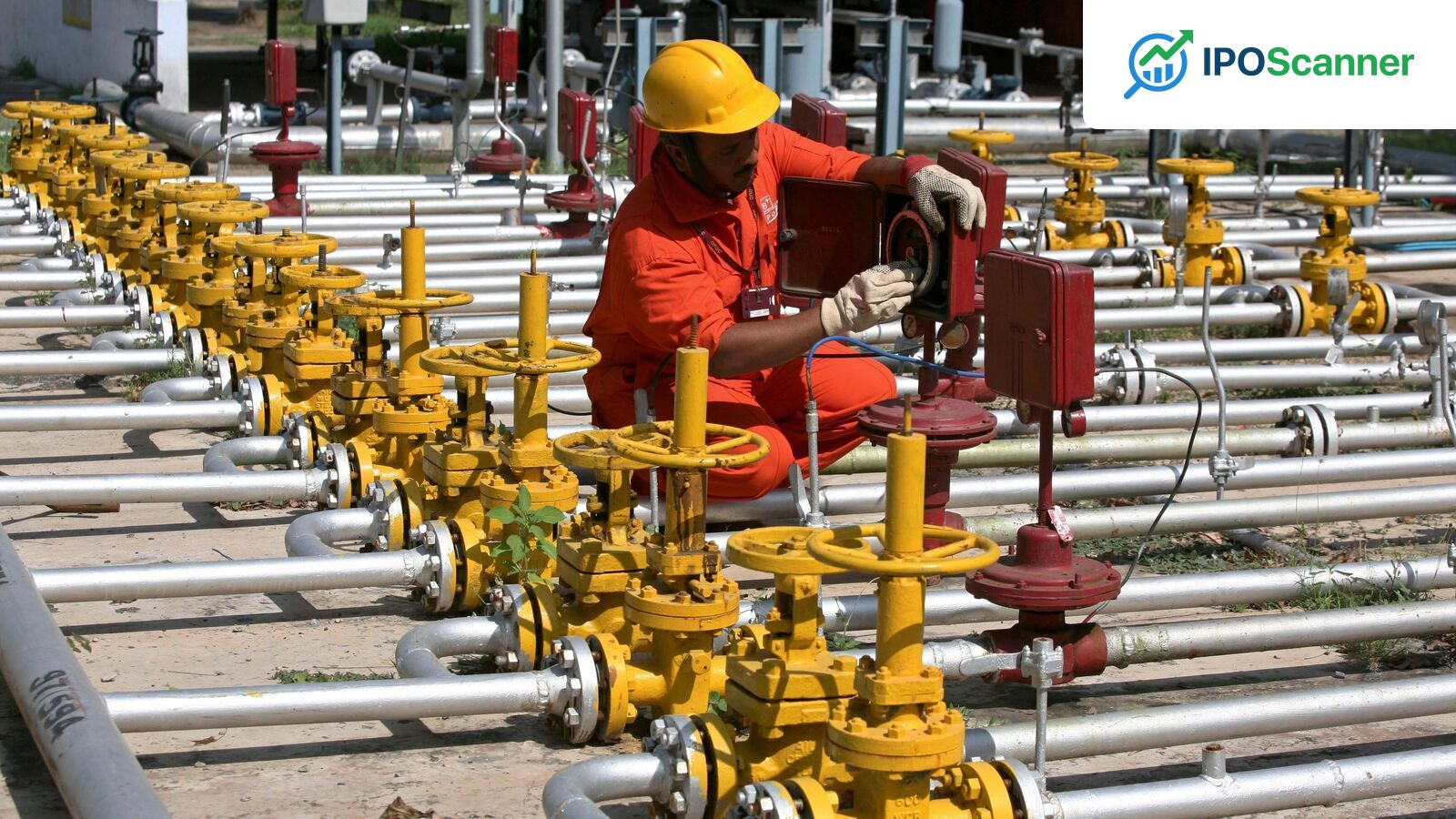
Oil India and ONGC Stocks Gain Double Advantage from Royalty Boost and Higher Realization
Government Reverses Stance on Oil and Gas Royalties Amid Global Volatility
The Indian government has made a significant shift in its policy regarding oil and gas royalties, lowering rates on domestic production in a move that marks a stark contrast to its decision in 2022. At that time, the Centre imposed a windfall tax on oil and gas producers in response to a surge in global oil prices triggered by the Russia-Ukraine war.
However, with the ongoing West Asia conflict causing further volatility in oil prices and exposing vulnerabilities in the global supply chain, the government appears to have changed its stance. By reducing royalty rates, the Centre is seeking to provide greater incentives for domestic oil and gas production.
This move suggests that the government is recognizing the importance of increasing domestic production to meet the country's growing energy demands. The decision to lower royalty rates is a clear indication of the government's efforts to encourage investment in the oil and gas sector and enhance the country's energy security.
Read also: Treasury Yields Experience Largest Increase in Two Weeks Following Release of Labor Market Data
| Policy Decision | 2022 | Current |
|---|---|---|
| Oil and Gas Royalty Rate | Imposed windfall tax | Lowered royalty rates |
| Reason | Surge in global oil prices | Ongoing West Asia conflict and supply chain vulnerabilities |
Investor Takeaway
Investors may see a positive impact on oil and gas stocks due to the government's decision to lower royalty rates.
More in Economy

Treasury Yields Experience Largest Increase in Two Weeks Following Release of Labor Market Data

US-Iran Tensions Spark Uptick in Oil Prices Amid Global Market Decline

MoSPI Releases Uniform Norms for DDP Estimates with 2022-23 Base Year

