Nvidia's Jensen Huang Invests in AI-Powered PCs: A Look at the Emerging Technology
Nvidia Unveils AI-Powered PC Chip, Aims to Revolutionize Personal Computing
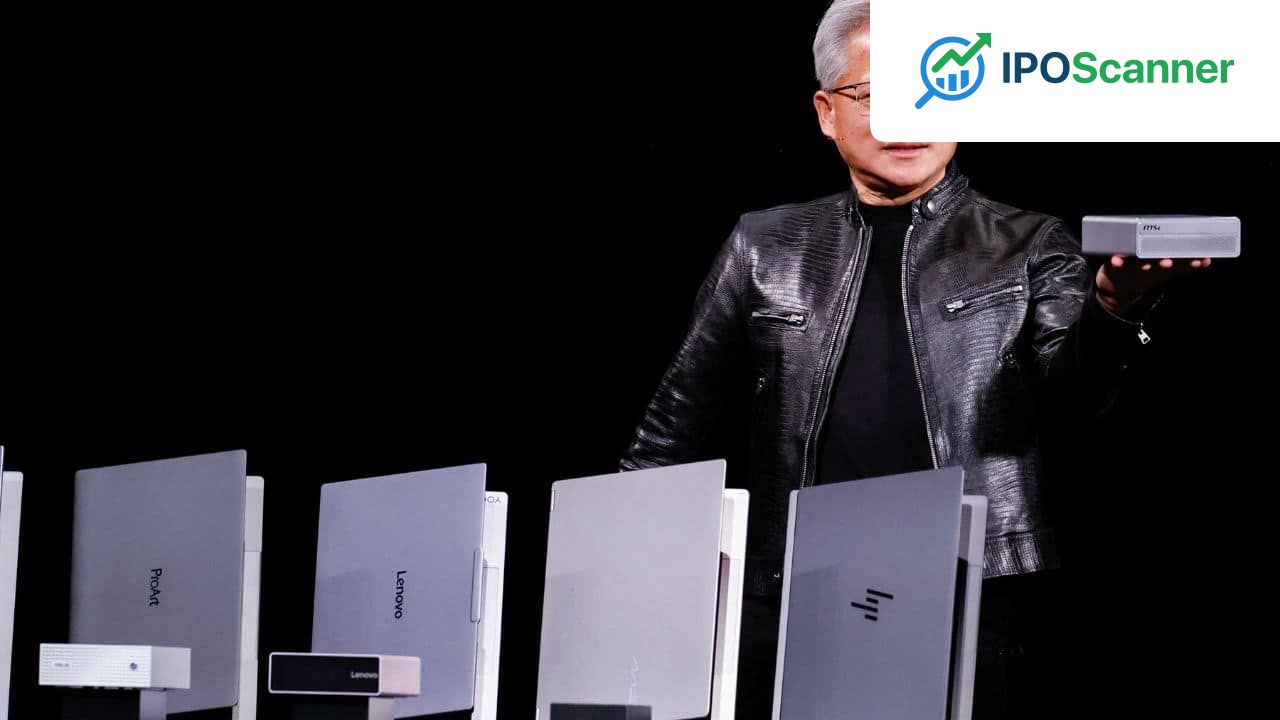
Nvidia CEO Jensen Huang has unveiled a new chip designed to bring advanced artificial intelligence capabilities directly to laptops and desktop computers, putting AI-powered PCs once again in the spotlight. The launch comes at a time when the market for AI PCs is still finding its footing, with some companies seeing a boost in quarterly performance while others indicate that customer demand hasn't yet lived up to expectations.
An AI PC is a computer that can run many AI-powered features directly on the device rather than depending heavily on cloud-based servers. This means tasks such as interacting with AI chatbots, generating content, editing images, or using AI assistants can happen on your laptop or desktop itself. In some cases, these machines can even support AI model training, a task that has traditionally required powerful data centers.
The growing popularity of AI agents — software that can complete tasks on behalf of users with minimal input — is driving interest in this new category of computers. Nvidia is pushing AI PCs as part of a broader effort to reshape personal computing for the AI era. The company has introduced RTX Spark, a new chip developed alongside Microsoft and MediaTek, which aims to make AI applications and agents run locally on a PC instead of constantly relying on the cloud.
PC makers are hoping these capabilities will encourage consumers to upgrade their devices as AI becomes increasingly integrated into everyday activities. However, demand for AI PCs is not yet clear-cut, with HP reporting that AI PCs accounted for 44% of its total PC shipments in the latest quarter, up from just over 35% in the previous quarter. In contrast, Dell has taken a more cautious view, saying the AI boom has not yet translated into the surge in PC sales many had anticipated.
Industry watchers also point to potential hurdles, including global PC shipments declining by 2026 due to memory shortages, rising costs of components, and supply chain constraints.
A key component that sets an AI computer apart from a normal PC is the Neural Processing Unit (NPU). While CPUs and GPUs perform various functions, including handling AI workloads, NPUs were created specifically for AI tasks. They complement other processors to perform duties such as AI assistants, image processing, voice recognition, and translation, allowing AI features to run faster while using less power.
Nvidia says devices powered by its RTX Spark platform will arrive later this year from manufacturers including ASUS, Dell, HP, Lenovo, Microsoft, and MSI, with Acer and Gigabyte expected to join later. Many companies already sell AI-focused devices, such as Microsoft's Copilot+ PCs, launched with partners such as Qualcomm.
Read also: Treasury Yields Experience Largest Increase in Two Weeks Following Release of Labor Market Data
However, concerns remain, particularly around privacy. Microsoft received backlash last year regarding its Recall feature, which had the ability to keep track of activities performed by users through their devices in order to create searchable content. Proponents of AI PCs maintain that increased AI processing within the device could enhance privacy since it would mean less frequent transmission of personal data to distant servers for processing.
The fundamental issue is whether or not consumers will see sufficient value from these upgrades, with companies competing to produce better AI-powered PCs.
| Company | AI PC Shipments (Q4) | AI PC Shipments (Q3) |
|---|---|---|
| HP | 44% | 35% |
| Dell | Not disclosed | Not disclosed |
Note: The table shows the percentage of AI PCs shipped by HP in the latest and previous quarters.
Investor Takeaway
Investors should keep an eye on the emerging market for AI-powered PCs, which is expected to grow in the coming months.
More in Market
SpaceX Seeks Record $75 Billion IPO, Potentially Positioning Elon Musk as the World's First Trillionaire

Treasury Yields Experience Largest Increase in Two Weeks Following Release of Labor Market Data

US-Iran Tensions Spark Uptick in Oil Prices Amid Global Market Decline