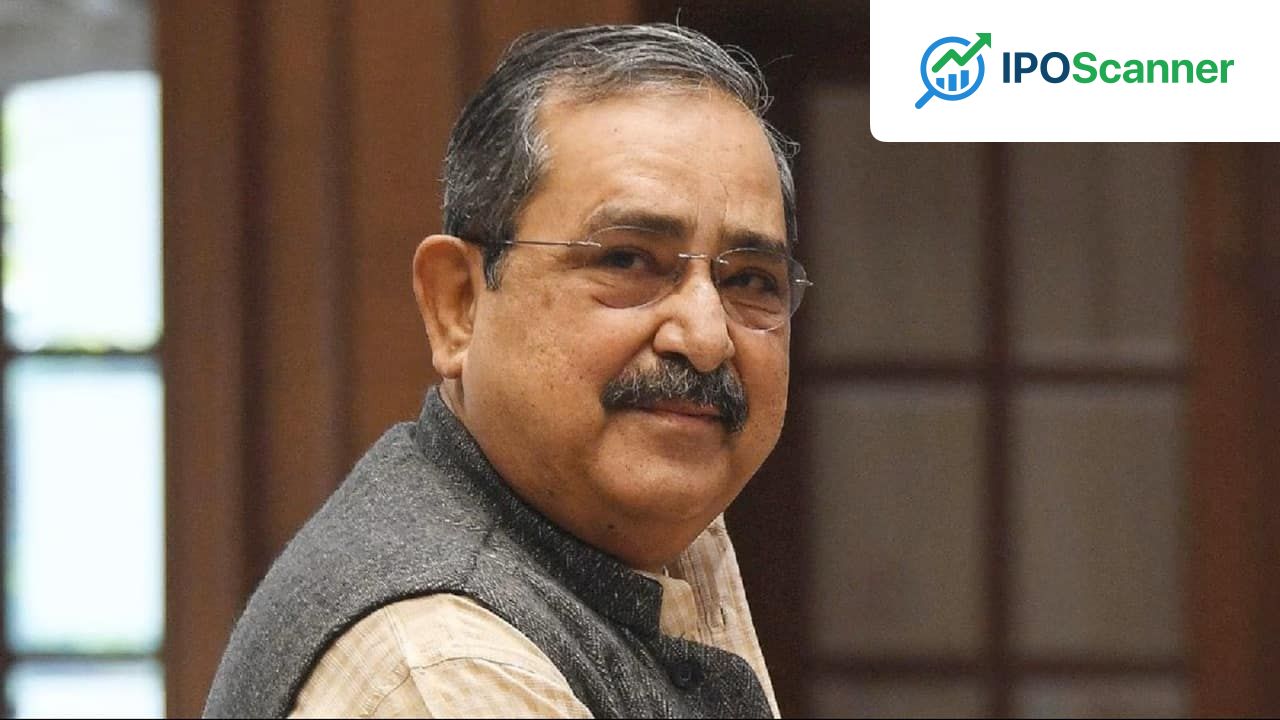
Niti Aayog Vice Chairman Urges Regulatory Reforms and Behavioural Changes to Improve Ease of Doing Business
India Must Pursue Aggressive Reforms to Boost Investment, Says Niti Aayog Vice Chairman
At a time when markets have been lukewarm despite a slew of reform measures by the central government and Reserve Bank of India, Niti Aayog Vice Chairman Ashok Kumar Lahiri emphasized the need for India to pursue aggressive reforms to facilitate both domestic and foreign investment. According to Lahiri, regulatory reforms and inducing behavioural changes are a priority to promote ease of doing business in the country.
India has improved significantly in terms of ease of doing business, but there is still a long way to go. Lahiri pointed to the need for regulatory reforms and behavioural changes to promote investment, rather than creating obstacles. The government and the Reserve Bank of India (RBI) unveiled a string of measures last week to boost capital flows against the backdrop of the Iran war to help shore up the rupee and boost investor sentiment.
Lahiri, who took over as Vice Chairman of the government think tank Niti Aayog last month, also drew up a large reform agenda across various sectors such as the welfare system, education, health, and infrastructure and skilling. One of the key areas of focus is the welfare system, which Lahiri emphasized needs to be rationalized. He argued that many of the existing welfare schemes are non-targeted and need to be focused on helping the vulnerable sections of society.
Read also: IndiGo Shares Decline 3% Amid Crude Oil Price Surge and Airbus Delivery Issues
Lahiri also emphasized the need for reforms in education, particularly in the primary and non-primary segments. He pointed out that while enrollment rates have improved, the quality of education needs to be addressed. Every child who comes out of primary school should know the basics of reading, writing, and arithmetic.
Infrastructure development is another key area of focus for Lahiri. He emphasized the need for further improving roads, ports, and railways infrastructure. Road connectivity and ports have improved tremendously, but there is still a long way to go. Similarly, air connectivity to second- and third-tier cities needs to improve.
On railways, Lahiri pointed out that India has higher freight rates vis-a-vis passenger rates. He argued that this needs to be addressed to make transportation more efficient. China, he noted, does the opposite, prioritizing freight rates over passenger rates.
Finally, on electricity supply, Lahiri emphasized the need for more green energy, better transmission, and better distribution with a rationalized tariff strategy. He noted that India continues to subsidize domestic consumption by charging higher rates to industry.
Read also: SMID Cap Mutual Funds Deliver Superior Long-Term Returns
Since coming to power in 2014, the Narendra Modi government has undertaken a raft of reforms to promote ease of living and ease of doing business. However, geopolitical tensions and the impact of the Iran war have triggered calls for fresh reforms to help push growth.
| Sector | Current Status | Needed Reforms |
|---|---|---|
| Welfare System | Non-targeted | Rationalized and focused on vulnerable sections |
| Education | Enrollment rates improved, but quality needs to be addressed | Focus on primary and non-primary segments |
| Infrastructure | Roads and ports have improved, but there is still a long way to go | Further improvement in roads, ports, and railways infrastructure |
| Electricity Supply | Subsidized domestic consumption by charging higher rates to industry | More green energy, better transmission, and better distribution with a rationalized tariff strategy |
Investor Takeaway
India needs to pursue aggressive reforms to facilitate both domestic and foreign investment.
More in Economy

IndiGo Shares Decline 3% Amid Crude Oil Price Surge and Airbus Delivery Issues

SMID Cap Mutual Funds Deliver Superior Long-Term Returns
CPI Leader D Raja Expresses Uncertainty Ahead of INDIA Bloc Meet Amid Delhi Arrival of Party Leaders