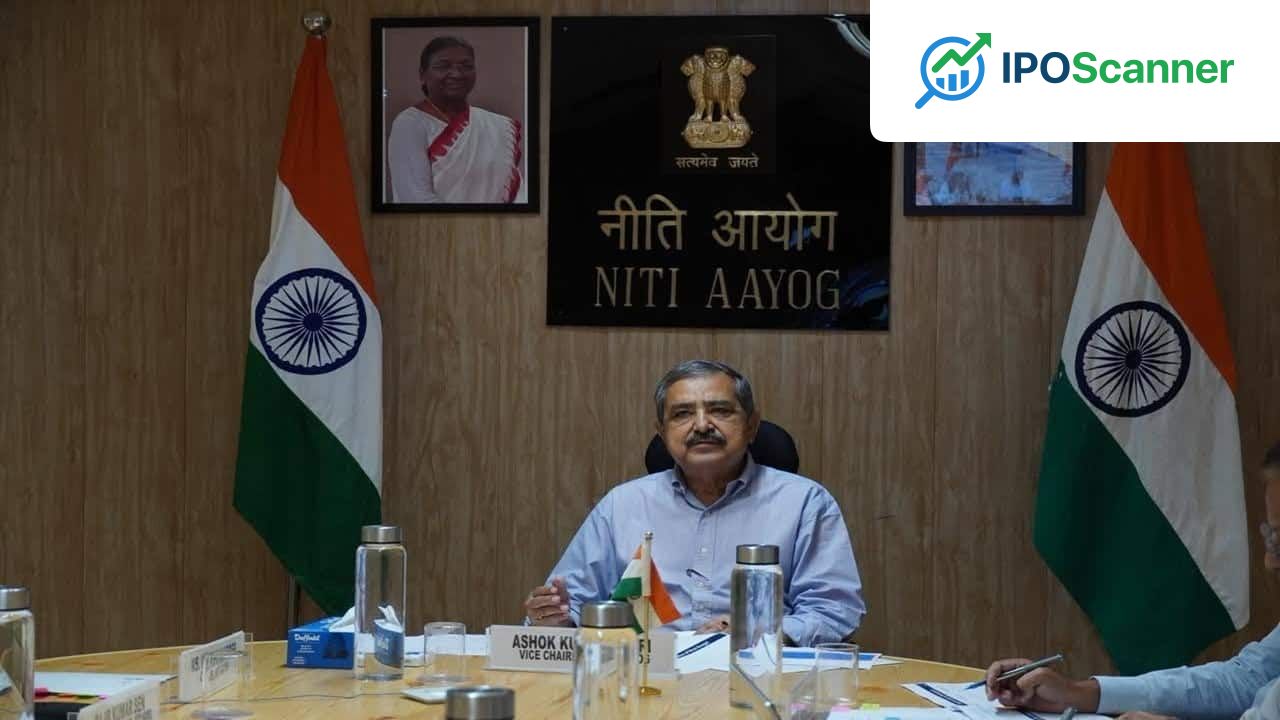
Niti Aayog Vice Chairman Signals Gradual Privatization of State-Run Firms
India's Privatisation Plans: A Gradual Approach
India's plans to privatise public sector assets are expected to be gradual, with the government taking a cautious approach to ensure proper valuations of these assets. According to Niti Aayog Vice Chairman Ashok Kumar Lahiri, the central government will not rush into privatisation, and market conditions will play a significant role in determining the pace of transactions.
Lahiri, who took charge of the government's premier policy think tank last month, emphasized that the policy intent is to complete transactions in the short or medium term. However, he acknowledged that privatisation is a challenging topic, citing the government's struggles with it since the 1990s. He noted that some individuals may not be supportive of privatisation, and when a proposal is put forward, they may argue that the price is too low or that it is not the right time to sell.
| Asset | Disinvestment Receipts (Rs crore) | Asset Monetisation (Rs crore) | Dividends (Rs crore) |
|---|---|---|---|
| Central Bank of India | - | - | - |
| Coal India | - | - | - |
| NHPC Ltd | - | - | - |
Read also: IndiGo Shares Decline 3% Amid Crude Oil Price Surge and Airbus Delivery Issues
The above table shows the disinvestment receipts from various transactions involving Central Bank of India, Coal India, and NHPC Ltd. Disinvestment receipts for the first two months of the current fiscal year stood at Rs 12,165.85 crore, while asset monetisation receipts were about Rs 6,367 crore, and dividends stood at Rs 1,877 crore.
The government has set a target of raising Rs 80,000 crore from disinvestment and asset monetisation for the 2026-27 fiscal year, as per budget documents. In the first two months of the current fiscal year, the Department of Investment and Public Asset Management (DIPAM) has raised over Rs 20,000 crore from disinvestment and asset monetisation.
Lahiri noted that the policy think tank had identified a clutch of state-run firms for privatisation, but progress has been limited due to factors such as choppy markets and stiff opposition to such transactions. He also highlighted that privatisation is a politically charged issue, with opposition parties often accusing the government of selling family jewels at a throwaway price.
However, Lahiri emphasized that the government has become less intolerant of privatisation over time, citing the example of Air India, which was a bold move. The government has missed its target of raising funds from privatisation and asset sales several times in the past, but it has moved away from setting a specific target for disinvestment in state-run firms in the Annual Budget.
Read also: SMID Cap Mutual Funds Deliver Superior Long-Term Returns
Investor Takeaway
The central government may not rush into privatizing state-run firms, but market conditions will be a key factor in determining the pace of privatization.
More in Economy

IndiGo Shares Decline 3% Amid Crude Oil Price Surge and Airbus Delivery Issues

SMID Cap Mutual Funds Deliver Superior Long-Term Returns
CPI Leader D Raja Expresses Uncertainty Ahead of INDIA Bloc Meet Amid Delhi Arrival of Party Leaders