New DNA Analysis Suggests Possible Indian Origins of the Shroud of Turin
The Shroud of Turin: New DNA Analysis Reveals Genetic Links to Indian Subcontinent
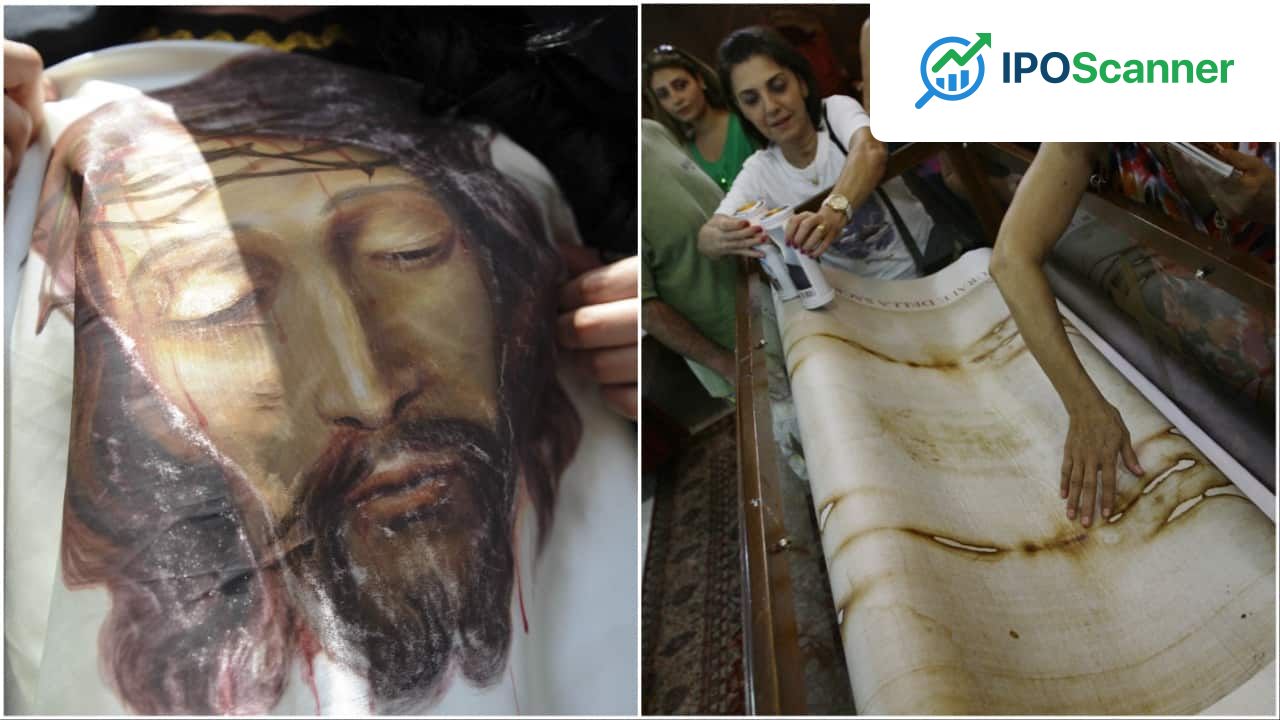
The Shroud of Turin, a 4.4-meter-long linen cloth bearing a faint image of a crucified man, has been at the center of a long-running debate over its authenticity and origins. A new DNA analysis of the relic, believed by many Christians to be the burial cloth of Jesus Christ, has found genetic links to the Indian subcontinent, reopening the debate.
The Shroud of Turin is a cloth that has been venerated for centuries as the cloth used to wrap Jesus after his crucifixion. Its documented history begins in 14th-century France, though its authenticity has remained fiercely contested among scientists and theologians. The cloth has been the subject of repeated scientific investigation, including a 1988 radiocarbon dating study that suggested the cloth was created between 1260 and 1390 AD, fueling claims that it is a medieval forgery.
What the Study Found
Read also: Kumar Mangalam Birla to Address Concluding Function of RSS Training Camp
Researchers analyzed minute biological material collected from the shroud during a 1978 scientific examination. Using modern genomic sequencing techniques, they identified DNA fragments from a wide range of sources, including humans, plants, animals, and insects, indicating that the cloth has been handled and exposed to diverse environments over centuries. The study found that around 38-40 percent of the human mitochondrial DNA recovered from the samples could be traced to lineages associated with the Indian subcontinent.
| Region | Percentage of DNA |
|---|---|
| Indian Subcontinent | 38-40% |
| Near East | 60-62% |
| Western Europe | 1-2% |
The findings suggest that the cloth may have either come into contact with people of South Asian origin or that the linen or yarn used in its manufacture could have originated in India, a region historically known for high-quality textile production. However, researchers involved in the study cautioned against drawing direct conclusions about Jesus Christ or the shroud's authenticity.
Trade Routes, Not Conclusions
Read also: The Cost of Healthcare: Why Predictability in Medical Inflation is Crucial for Health Insurance
Researchers pointed to ancient trade networks linking the Indus Valley with the Mediterranean world as a plausible explanation for the presence of Indian genetic material. The study did not establish when the Indian-linked DNA was deposited, whether during the early centuries of Christianity, during medieval trade, or after the shroud's appearance in Europe in 1354. Heavy contamination over hundreds of years has made it impossible to isolate what researchers described as any "original" DNA on the cloth.
The study has triggered widespread discussion on social media, with the hashtag Shroud of Turin trending across platforms. However, many online posts have framed the findings as evidence of an "India link" to Jesus Christ, a claim scientists involved in the research have not made. According to the researchers, the genetic data reflects the shroud's long and complex history of exposure rather than proof of its origin or religious significance.
The Shroud of Turin has been under constant scrutiny, with many scientific investigations aimed at determining its authenticity and origins. The latest DNA findings do not overturn earlier conclusions but add another layer to what researchers describe as a "biological archive" shaped by centuries of use, handling, and environmental exposure.
More in General

Kumar Mangalam Birla to Address Concluding Function of RSS Training Camp

The Cost of Healthcare: Why Predictability in Medical Inflation is Crucial for Health Insurance

Former Google Executive Warns AI Risks Stem from Human Misuse, Not Technological Limitations