NASA's Artemis II Mission Experiences Technical Issue Following Successful Liftoff
NASA's Artemis II Mission Hit by Technical Issue with Waste Management System
Shortly after the launch of NASA's Artemis II mission, a technical issue was reported with the Orion spacecraft's waste management system. According to NASA, the spacecraft's toilet system experienced a malfunction when a fan in the urine collection unit stopped working due to a controller-related issue. This led to the temporary shutdown of the urine collection function onboard the capsule.
NASA confirmed that while the urine system was affected, the solid waste disposal system remained operational during this period. Mission specialist Christina Koch worked with NASA's ground control teams to troubleshoot the issue. Engineers guided the crew through a series of steps to restore functionality, and the system was subsequently brought back online.
Artemis II is NASA's first crewed mission under the Artemis program and the first time astronauts are traveling toward the Moon since the Apollo era, though the mission itself is a flyby and does not involve a lunar landing. The mission is designed to test Orion's systems in deep space, including life-support, navigation, and overall crew operations, ahead of future missions such as Artemis III, which is expected to attempt a landing.
Read also: Kumar Mangalam Birla to Address Concluding Function of RSS Training Camp
The crew includes four astronauts, three from NASA and one from the Canadian Space Agency. The Orion spacecraft, launched aboard NASA's Space Launch System (SLS), carries a newly designed compact waste management system tailored for deep-space missions where space and weight constraints are critical.
This isn't the first time NASA has run into issues with onboard waste systems. Similar problems have come up in earlier missions too, including SpaceX Crew Dragon flights, where faults in the urine storage setup were later identified and fixed. However, the Orion spacecraft's waste management system was designed with deep-space missions in mind and is expected to operate reliably in the harsh conditions of space travel.
| Mission | Duration | Distance |
|---|---|---|
| Artemis II | 5-6 days | Beyond low Earth orbit, looping around the Moon and heading back |
| Apollo 11 | 8 days | First lunar landing |
| Apollo 17 | 12 days | Last lunar landing |
More in General
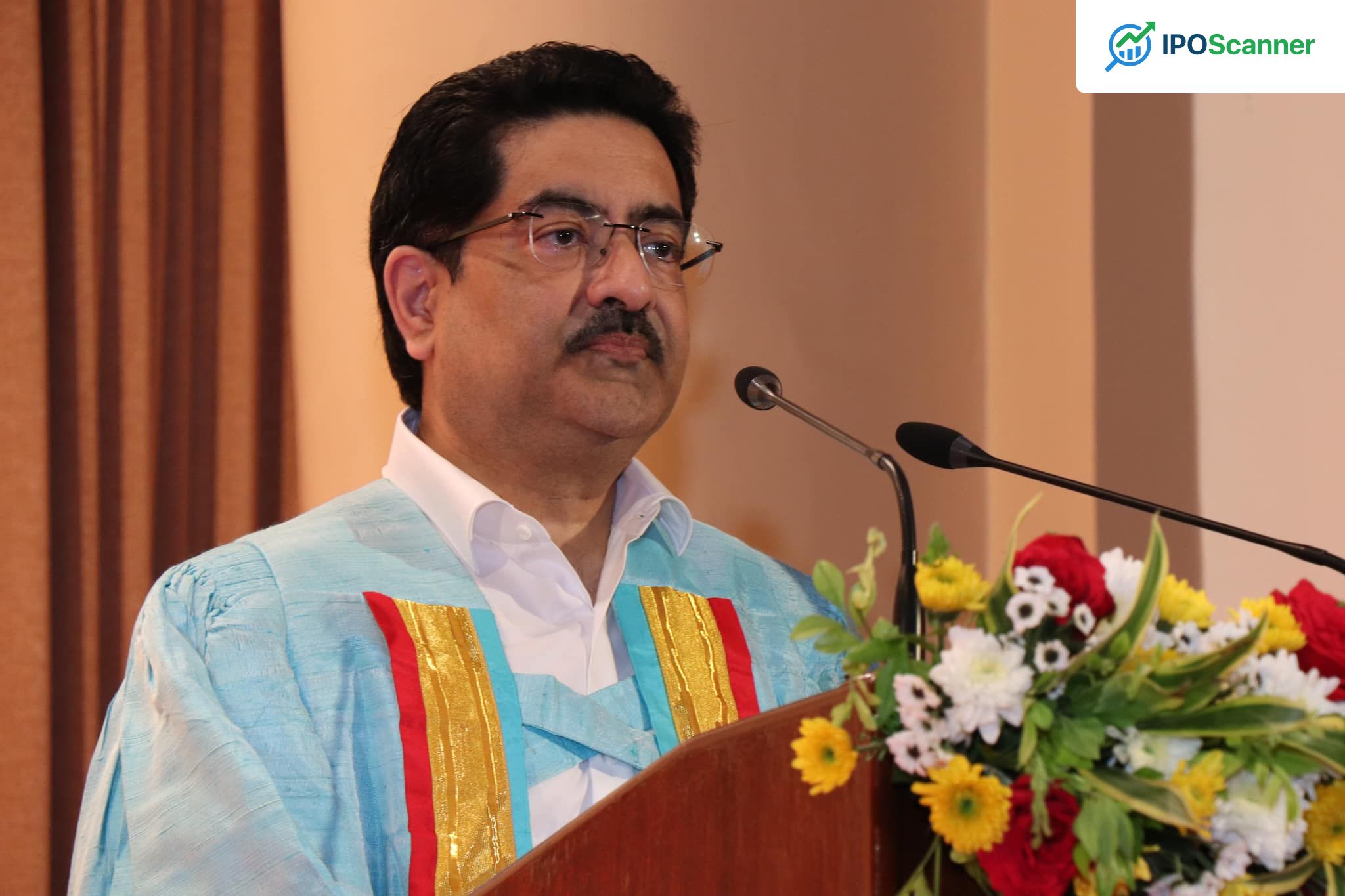
Kumar Mangalam Birla to Address Concluding Function of RSS Training Camp

The Cost of Healthcare: Why Predictability in Medical Inflation is Crucial for Health Insurance

Former Google Executive Warns AI Risks Stem from Human Misuse, Not Technological Limitations