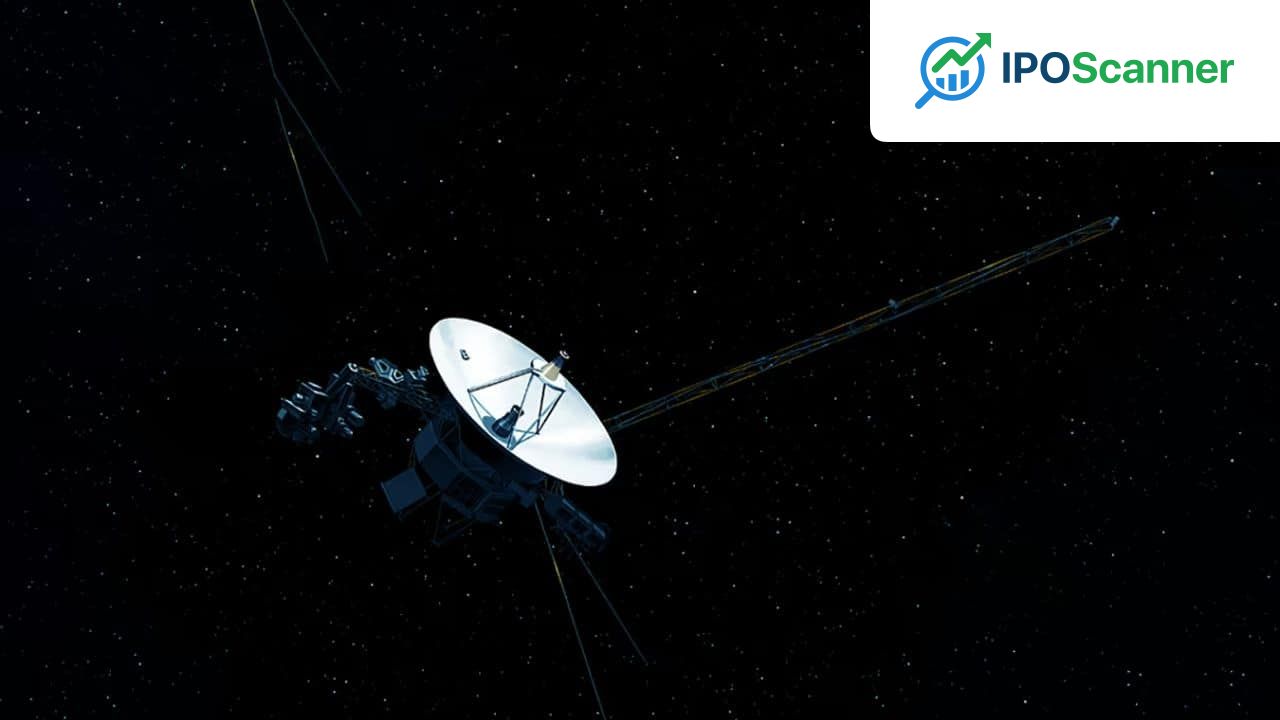
NASA Takes Emergency Measures to Preserve Voyager 1's Operational Life Amid Power Outage Fears
Voyager 1 Faces Declining Power as NASA Shuts Down Key Instrument
NASA has taken a crucial step to extend the life of Voyager 1, the most distant human-made object, by shutting down a major science instrument aboard the spacecraft. The decision was made to conserve energy as the nuclear-powered spacecraft continues to lose power nearly five decades after its launch in 1977.
Engineers at NASA's Jet Propulsion Laboratory sent commands on April 17, 2026, to turn off the Low-Energy Charged Particles experiment (LECP), one of the probe's long-running instruments. This move is part of a systematic effort to shut down non-essential systems to prolong the spacecraft's operations.
Voyager 1 has been operating using the LECP since its launch in 1977. It is the most distant human-made object and has been traveling through interstellar space since 2012. The spacecraft continues to travel beyond our solar system, over 15 billion miles from Earth as of early 2026, sending back valuable data from the interstellar medium. Its instruments have provided scientists with rare data about cosmic particles, magnetic fields, and conditions beyond the Sun's influence.
Read also: Kumar Mangalam Birla to Address Concluding Function of RSS Training Camp
The spacecraft's power supply, generated by radioisotope thermoelectric generators, has been gradually declining for years. NASA has been systematically shutting down instruments to conserve energy, a process that has accelerated in recent years. Earlier, the cosmic ray subsystem was also switched off as part of these measures.
The LECP instrument played a key role in studying charged particles in space, helping scientists understand the interaction between solar winds and interstellar matter. Its shutdown marks another step in the spacecraft's gradual transition from a full science mission to a limited one focused on survival.
After this latest shutdown, only two scientific instruments on Voyager 1 remain operational: the magnetometer and the plasma wave subsystem. These are considered crucial for continuing to gather basic data about the interstellar environment.
Despite its age, Voyager 1 continues to achieve milestones. It is expected to reach a distance of one light-day from Earth in 2026, meaning signals will take about 24 hours to travel between the spacecraft and Earth.
Read also: The Cost of Healthcare: Why Predictability in Medical Inflation is Crucial for Health Insurance
NASA scientists say the goal is to keep at least one instrument running into the early 2030s, though further shutdowns are likely. Each decision reflects a balance between preserving the spacecraft's health and continuing to collect valuable scientific data.
The Voyager mission, originally designed to last just five years, has far exceeded expectations. Even as its systems are gradually turned off, Voyager 1 remains a symbol of human exploration, continuing its trek into deep space, sending back faint signals from billions of miles away.
Comparison of Voyager 1's Distance from Earth
| Year | Distance from Earth |
|---|---|
| 1977 | 1 AU (149.6 million miles) |
| 2012 | 122 AU (18.3 billion miles) |
| 2026 | 233 AU (34.7 billion miles) |
| 2030 (projected) | 280 AU (41.7 billion miles) |
More in General
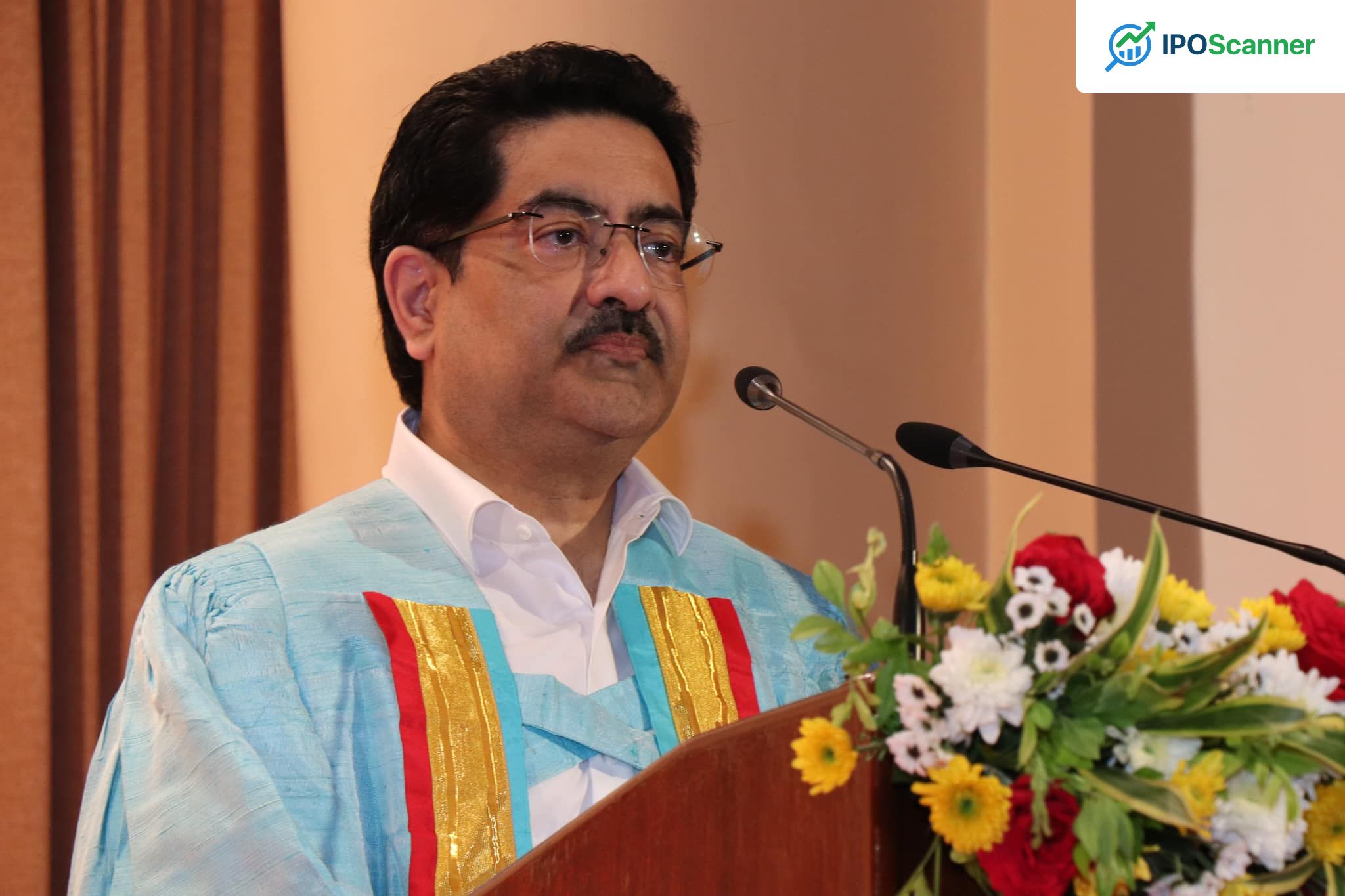
Kumar Mangalam Birla to Address Concluding Function of RSS Training Camp

The Cost of Healthcare: Why Predictability in Medical Inflation is Crucial for Health Insurance

Former Google Executive Warns AI Risks Stem from Human Misuse, Not Technological Limitations