Monsoon Deficit Expected to Push Inflation Above 5%, Impacting Pulse and Soybean Crop Yields
India's Inflation Trajectory at Risk Due to Below-Normal Monsoon Forecast
India's inflation trajectory may face fresh upside risks in FY27 as a below-normal monsoon forecast threatens to raise food and agricultural raw materials costs in the coming months. The India Meteorological Department (IMD) downgraded India's monsoon forecast to 90 percent of the long-period average (LPA) on May 29, marking the weakest preliminary long-range forecast in nearly three decades.
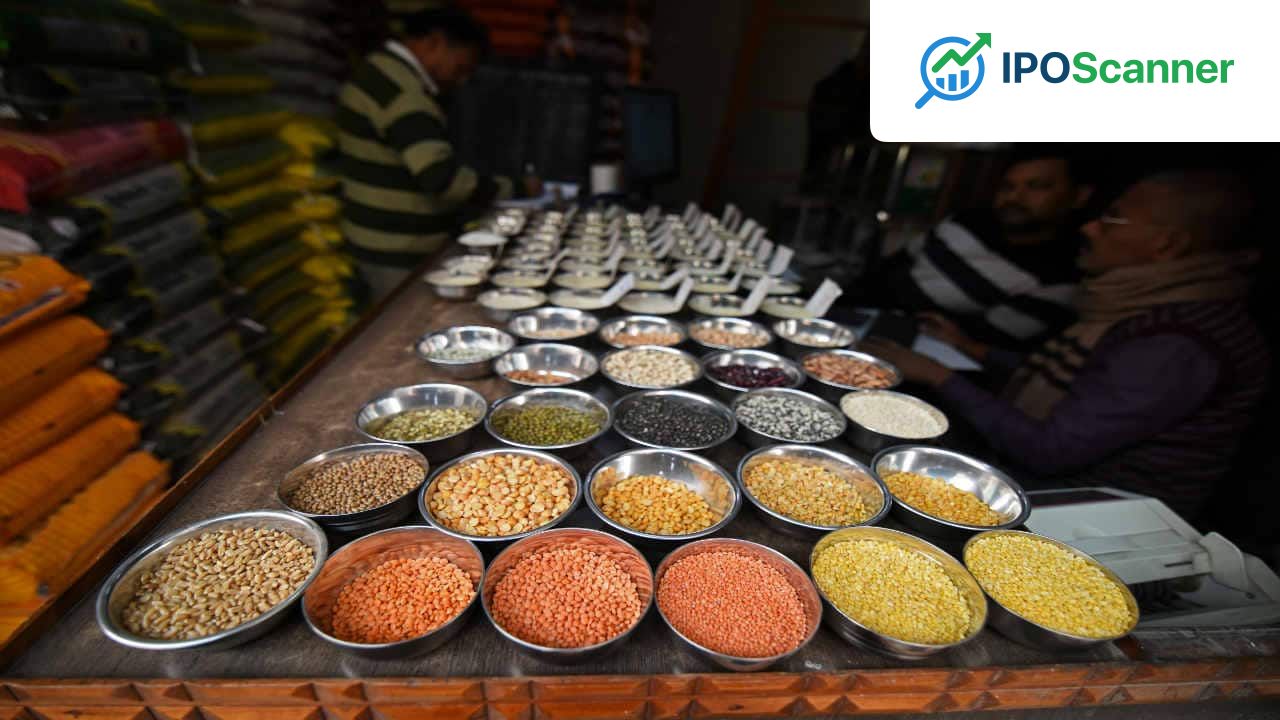
A weaker monsoon could disrupt sowing, hurt crop yields, and lift prices of key food items, particularly pulses and oilseeds. While the eventual impact would depend on total rainfall, timing, and distribution, a worsening condition could disproportionately hurt India's pulses, soybean, and cotton output, as production of these crops is concentrated in states with relatively weaker irrigation coverage.
Among pulses, tur stands most exposed. Maharashtra and Karnataka together account for 66.8 percent of India's production, and both states have irrigation coverage of 43.3 percent. Jharkhand, which contributes 7 percent, has the weakest irrigation coverage among major producing states at 17.2 percent. At the aggregate level, pulses production remains highly vulnerable. Maharashtra, Rajasthan, Karnataka, and Madhya Pradesh together account for 81.8 percent of total pulses output. Of these, only Madhya Pradesh has irrigation above the national average.
Read also: Treasury Yields Experience Largest Increase in Two Weeks Following Release of Labor Market Data
Tur has a 0.5 percent share in India's inflation basket. Soybeans appear most vulnerable. Maharashtra and Madhya Pradesh together account for 83.6 percent of India's soybean output. Maharashtra alone contributes 48.3 percent, but has irrigation coverage of only 43.3 percent, below the national average of 59.9 percent. Madhya Pradesh, which contributes 35.3 percent, has higher irrigation at 60.2 percent.
A Moneycontrol analysis found that the feed-in from petrol into food prices could raise inflation by 8-12 bps, with overall inflation rising by 65 bps due to fuel price increases. The government has since raised fuel prices by another 3 percent. Economists expect inflation to average 4.9 percent in FY27. A worsening monsoon, combined with prolonged tensions in West Asia, could push inflation beyond 5 percent and closer to the RBI's upper band of 6 percent.
The expectations of a rate hike have increased. Economists now expect rates to settle higher at 5.75 percent by the end of FY27.
| State | Tur Production Share in India | Irrigation Coverage |
|---|---|---|
| Maharashtra | 43.3% | 43.3% |
| Karnataka | 23.5% | 43.3% |
| Jharkhand | 7% | 17.2% |
| Madhya Pradesh | 26% | 60.2% |
Read also: US-Iran Tensions Spark Uptick in Oil Prices Amid Global Market Decline
| State | Soybean Production Share in India | Irrigation Coverage |
|---|---|---|
| Maharashtra | 48.3% | 43.3% |
| Madhya Pradesh | 35.3% | 60.2% |
| Rajasthan | 9.4% | 35.2% |
| Gujarat | 5.4% | 45.9% |
| Others | 1.6% |
| State | Pulses Production Share in India | Irrigation Coverage |
|---|---|---|
| Maharashtra | 23.5% | 43.3% |
| Rajasthan | 14.9% | 35.2% |
| Karnataka | 23.5% | 43.3% |
| Madhya Pradesh | 26% | 60.2% |
Investor Takeaway
Investors should be cautious of potential inflation risks and their impact on food and agricultural raw materials costs.
More in Economy

Treasury Yields Experience Largest Increase in Two Weeks Following Release of Labor Market Data

US-Iran Tensions Spark Uptick in Oil Prices Amid Global Market Decline

MoSPI Releases Uniform Norms for DDP Estimates with 2022-23 Base Year

