Monetising Rainfall: Exploring Opportunities in Water Harvesting and Management
India Aims to Lure Foreign Investors with Attractive Bond Offerings
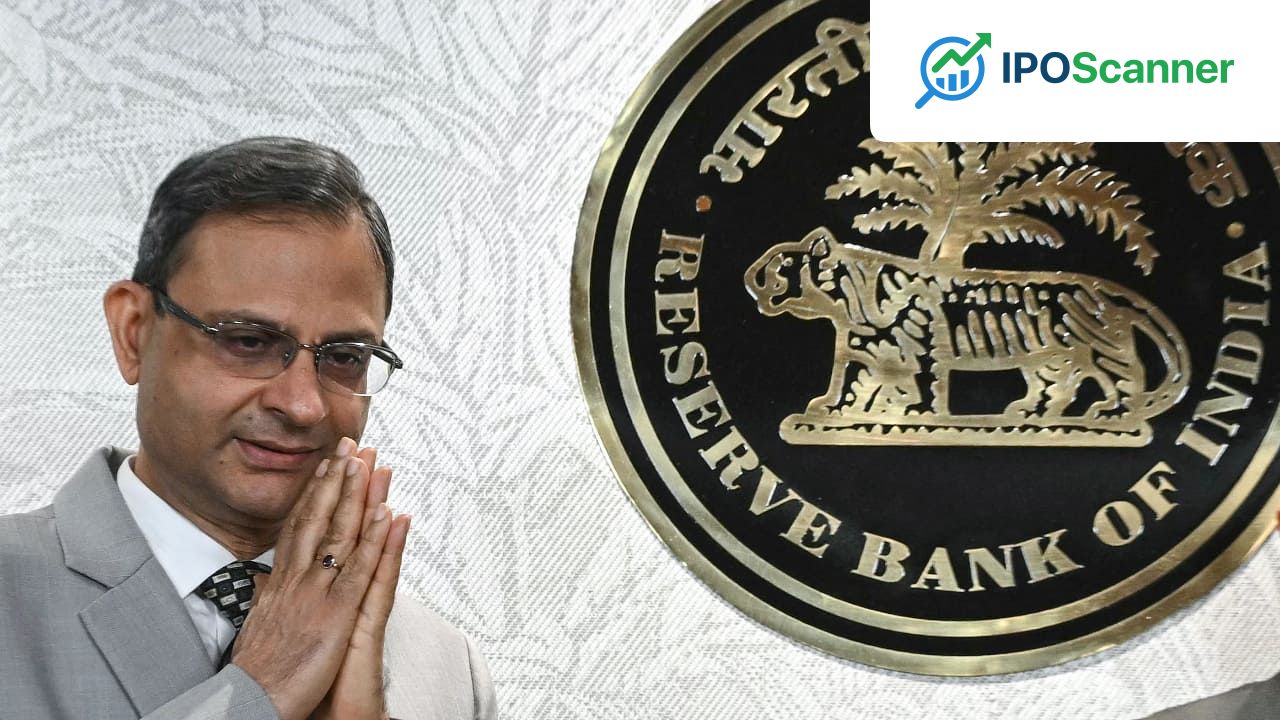
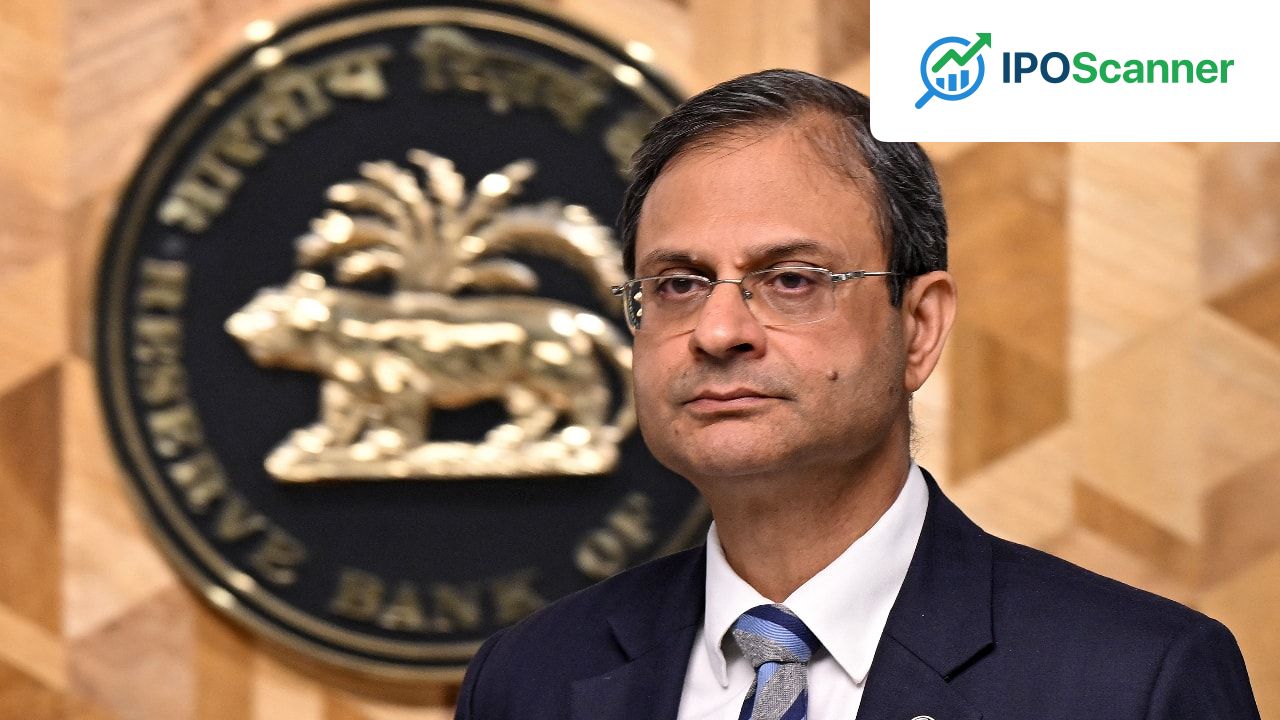
The Reserve Bank of India (RBI) has announced a series of measures aimed at enticing foreign investors to pour money into India's debt markets. Governor Sanjay Malhotra unveiled a package of targeted initiatives that aim to make foreign investors take notice of India's equity and debt markets.
Foreign investors have been pulling out of India's domestic equity markets, with a net outflow of $26 billion at the last count. However, their interest in the bond market remains, albeit at a reduced level. The RBI is keen to increase the flow of dollars into the bond market, which has been dwindling to a trickle.
To achieve this, the RBI has made it easier for foreign investors to buy bonds under the Foreign Portfolio Investors (FPI) scheme. The government has also removed the tax on interest and capital gains earned by foreign investors from local bonds. These measures are expected to attract a significant amount of foreign investment, with analysts estimating that anywhere between $20-40 billion could flow into the bond market this fiscal year.
Read also: India to Overtake China as Second-Largest Economy by 2060, Global GDP Report Suggests
Comparison of RBI's Bond Market Measures
| Measure | Previous | New |
|---|---|---|
| FAR scheme for government bonds | Limited | Expanded |
| Limits to short-term investments | Present | Removed |
| Individual bonds under the general route | Limited | No limits |
In addition to the bond market measures, the RBI has also made it easier for non-resident Indians to buy domestic equities. The RBI is also making changes to the Foreign Currency Non-Resident (FCNR-B) deposits, which may lead to banks pursuing foreign investors rather than avoiding them.
The RBI's measures are aimed at making it easier for foreign investors to invest in India's debt and equity markets. By removing the tax on interest and capital gains, the government is making it more attractive for foreign investors to invest in local bonds.
Read also: RBI Governor Stresses that Exceeding Disclosed Deposit Rates is Not Acceptable
However, the RBI's forecast of 5.1% retail inflation for FY27 and its reduced GDP growth forecast of 6.6% indicate that the RBI may not be able to push rate hikes too far off. The risk of stagflation is present, and the RBI may need to test how much growth it can sacrifice to avoid an inflation blowout.
The RBI's measures are aimed at making it easier for foreign investors to invest in India's debt and equity markets. However, the RBI's forecast of 5.1% retail inflation for FY27 and its reduced GDP growth forecast of 6.6% indicate that the RBI may need to be cautious in its rate hike decisions.
RBI's Forecast Comparison
| Forecast | Previous | New |
|---|---|---|
| Retail inflation (FY27) | 4.6% | 5.1% |
| GDP growth (FY27) | 6.9% | 6.6% |
The RBI's measures are aimed at making it easier for foreign investors to invest in India's debt and equity markets. However, the RBI's forecast of 5.1% retail inflation for FY27 and its reduced GDP growth forecast of 6.6% indicate that the RBI may need to be cautious in its rate hike decisions.
Investor Takeaway
Investors may see increased interest in Indian equity and debt markets due to RBI's measures.
More in Economy

India to Overtake China as Second-Largest Economy by 2060, Global GDP Report Suggests
RBI Governor Stresses that Exceeding Disclosed Deposit Rates is Not Acceptable

India's Foreign Exchange Reserves Rise to $682 Billion