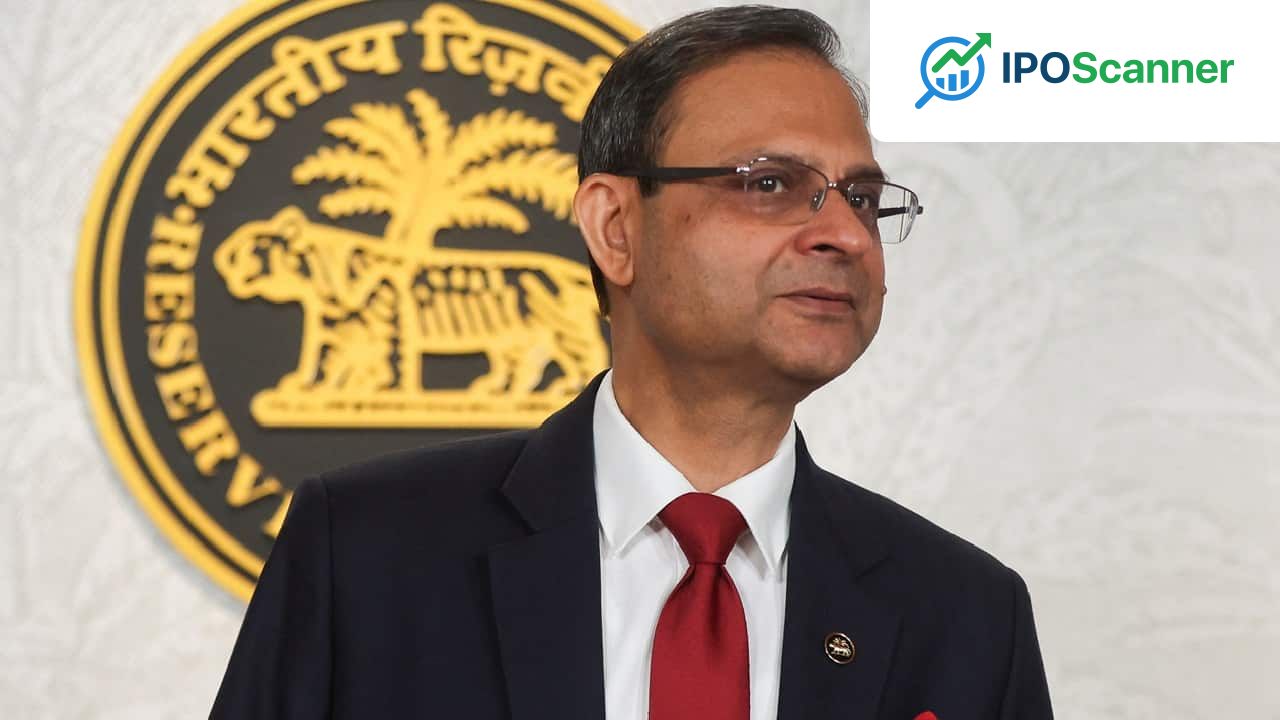
Indian Market Reaction to RBI's Cautious Stance
RBI Monetary Policy Committee Meeting: A Cautious Stance
India's equity market closed the trading session in the red following the Reserve Bank of India (RBI) Monetary Policy Committee (MPC) meeting on Friday. Despite the lack of significant changes in the repo rate, the policy itself has much to offer. The key takeaway is the message from RBI Governor Sanjay Malhotra, who opted for a guarded approach in his first MPC meeting since taking charge in December 2024.
The Governor's cautious stance is a welcome relief, considering the uncertainties surrounding the economy. A rate hike could be more damaging to inflation than helpful in easing the situation. Moreover, a rate hike affects consumer demand sentiment with a lag of six to eight months, which could be detrimental to India's increasingly domestic demand-dependent economy.
The RBI has factored in various pain points, including geopolitical tensions, crude oil prices, and supply chain disruptions, into its assumptions and rate decision. The inflation forecast for FY27 has been revised upwards by 50 bps to 5.1%, acknowledging the potential weakening of domestic demand should fears of inflation become a top concern for India's retail consumers.
The agriculture sector and its allied economies are also occupying the Governor's mindspace, particularly with the anticipation of a weak monsoon spell. Incoming data will determine whether GDP and inflation projections will be subject to further revision, considering that it is still too early to determine whether any potential stress could last just one or two quarters or become more generalised.
The RBI has also introduced measures to attract more money into the bond market, including loosening norms on foreign currency non-resident bank deposits, Fully Accessible Route (FAR) bonds, and concessional forex swap facilities on select external commercial borrowings. However, the question remains: how much of this can actually translate into inbound capital?
| FAR Bond Data | 5-Year Bonds | 10-Year Bonds | 15-Year Bonds | 30-Year Bonds | 45-Year Bonds |
|---|---|---|---|---|---|
| Flows | 80% | 10% | Unclear | Unclear | Unclear |
The introduction of three-year and five-year FCNR(B) deposits raises questions about the RBI's currency management tools. While the intention is to ensure that India does not become a short-term parking option for NRI depositors, how far this will go in attracting foreign deposits into the country will be interesting to watch.
By October, we will know how much of the RBI's intent translates into actual capital flows.
Investor Takeaway
Investors should remain cautious and monitor incoming data for potential rate hikes.
More in Market

Hexagon Nutrition IPO Sees Strong Demand on First Day, Subscribes 1.65 Times Over, GMP Suggests Positive Listing Prospects

Foreign Institutional Investors Sell Rs 8,776 Crore, Domestic Institutional Investors Purchase Rs 9,134 Crore on June 5

Markets Fall Amid Concerns Over Oil Prices, Monsoon Impacts and Reserve Bank of India's Caution