Michael Burry's Latest Bet Highlights Growing Concerns of Market Melt-Up
Market Leaders Push Benchmark Indexes to New Records, Leaving Other Stocks Behind
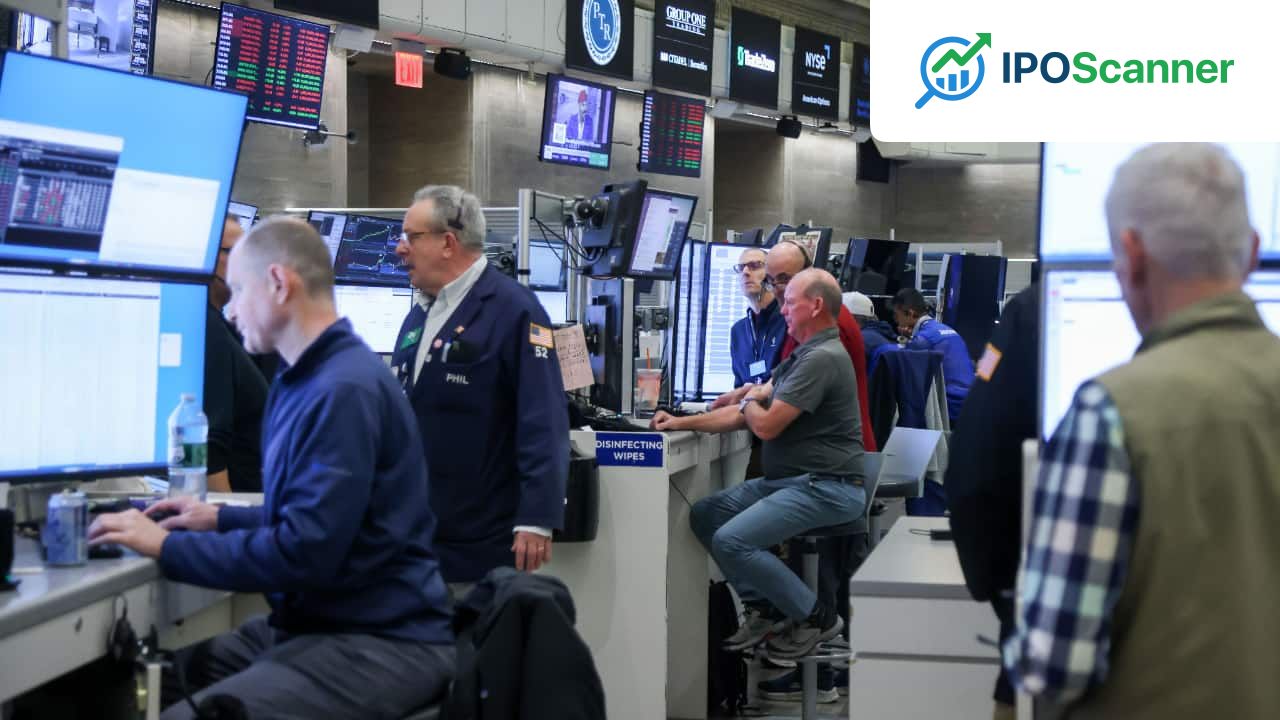
Technology megacaps are driving benchmark indexes to new heights, while the rest of the market lags behind. This setup may seem familiar, but the velocity at which market leaders have advanced is creating pockets of exuberance and widening the gap with other stocks that have yet to recoup losses from the Iran war.
The speculation that the worst is over in the Middle East conflict has sent semiconductor stocks soaring 47% in just 18 days, before a drop on Monday, and pushed the Nasdaq 100 Index toward its best month since 2020. This momentum has a "melt-up feel to it," according to Chris Verrone, partner and head of technical and macro strategy at Strategas Securities LLC.
Julian Emanuel, chief equity and quantitative strategist at Evercore ISI, agrees that Big Tech's strength is encouraging speculative risk-taking. The public is becoming increasingly speculatively engaged, with massive gains in companies like Intel Corp. and Avis Budget Group Inc. Moreover, with roughly $8 trillion in money market funds on the sidelines ready to be deployed into equities, the public has every means to become speculatively engaged.
The S&P 500 gained 0.1% on Monday, posting its sixth record since mid-April on optimism over a potential resolution to the war in Iran. However, strip out the outsized influence of technology stocks, and the setup looks different. An equal-weighted version of the S&P 500 Index declined for five consecutive days through Monday, widening a decline from its last record in February to 1.5%.
| Index | Gain from March 30 Bottom |
|---|---|
| Nasdaq 100 | 19% |
| S&P 500 | 13% |
Despite Monday's advance, only 55% of stocks in the S&P 500 traded above their 200-day moving average. This may signal a shaky foundation underpinning the stock market's advance.
"This is not the rising tide often seen coming off a major or reset low," Verrone said in an April 27 note to clients.
Read also: Treasury Yields Experience Largest Increase in Two Weeks Following Release of Labor Market Data
The tech-heavy Nasdaq 100 is up roughly 19% from its March 30 bottom, compared with a 13% gain in the S&P 500. Inflows have boomed of late, with some $18 billion flowing into US equity funds, according to data from Deutsche Bank AG.
Whether the good times can continue is now predicated almost entirely on earnings results from Alphabet Inc., Microsoft Corp., Amazon.com Inc., Meta Platforms Inc., and Apple Inc. this week. The index fell 1.1% at 9:35 a.m. in New York as concerns resurfaced over whether vast investments in artificial intelligence will pay off.
Flows into equity exchange-traded funds reflect the idea of a chase and the potential of a melt-up, said Todd Sohn, chief ETF strategist at Strategas. Investors have been putting roughly $6 billion into equity ETFs on a daily basis since late March, double the inflow from earlier this year.
Moreover, semiconductor stocks now make up 17% of the S&P 500, only the fourth time an industry group has exceeded 15% since 1990, when the index is broken up into 24 groups. The Philadelphia Semiconductor Index rose for a record 18 consecutive days before falling on Monday. The aggressive move higher even prompted Michael Burry, the investor made famous in The Big Short, to buy puts that profit from a drop in the iShares Semiconductor ETF (SOXX).
Although the market appears risk-on from the surface level, under the hood it is evident that investors remain uneasy about the macroeconomic backdrop with the war in Iran not officially over, oil prices elevated, and a transition to a new Federal Reserve chair.
"At the time the ceasefire was announced, it felt like many investors were caught off-guard and started chasing upside, especially in the single-stock, AI-related names," said Barclays Plc head of US equity derivatives Stefano Pascale. "Looking forward, systematic investors are no longer underweight equity exposure and valuations have reflated far enough for momentum upside to fade."
"This is not to say that equities cannot continue rallying, but I would expect some of the technical factors that fueled the sharp move higher to be exhausted and fade from here," Pascale said.
Investor Takeaway
Be cautious of market exuberance and potential risks in the short term.
More in Market
SpaceX Seeks Record $75 Billion IPO, Potentially Positioning Elon Musk as the World's First Trillionaire

Treasury Yields Experience Largest Increase in Two Weeks Following Release of Labor Market Data

US-Iran Tensions Spark Uptick in Oil Prices Amid Global Market Decline