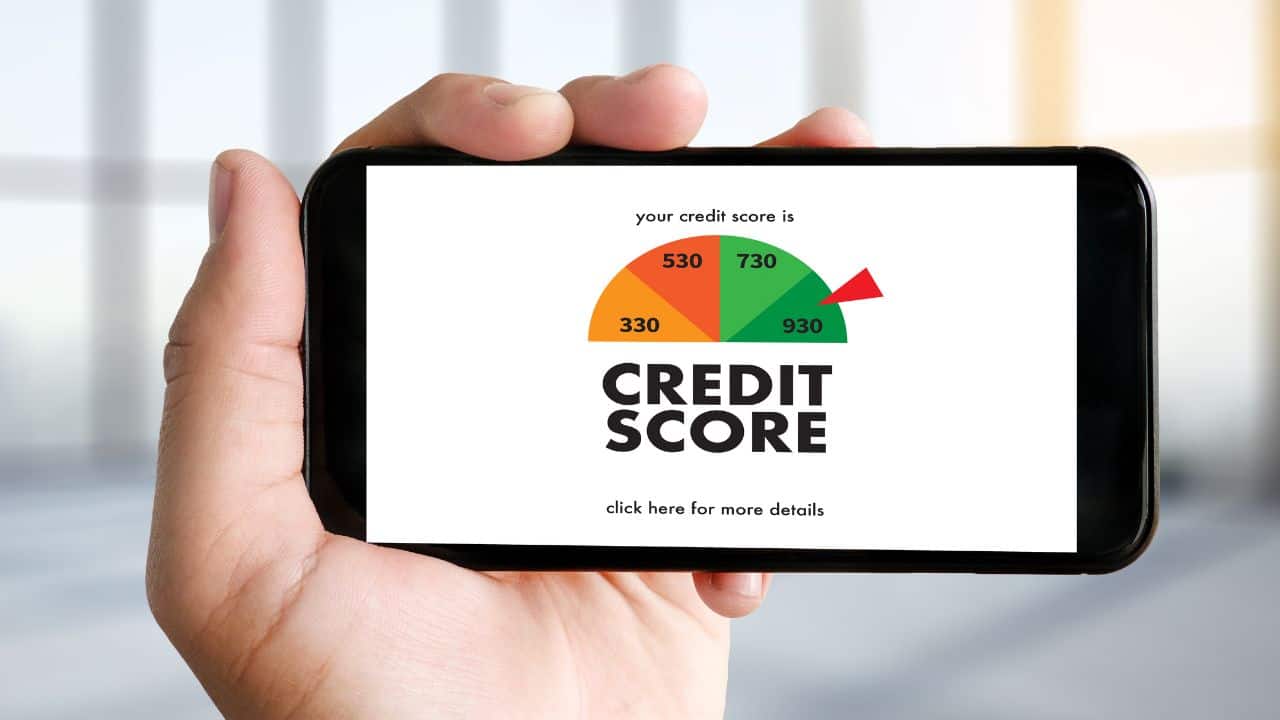
Managing Medical Debt Without Compromising Credit Scores
Medical Debt and Credit Scores: A Guide to Managing Financial Risk
Overview
Medical emergencies can disrupt financial planning and lead to significant stress when payment deadlines approach. However, medical debt does not automatically destroy credit scores. Ignoring debt or reacting in panic can lead to long-term damage, but with proper management, individuals can minimize the risk.
Verifying Medical Bills
Before considering loans or EMIs, it is essential to scrutinize medical bills for errors. Hospitals may make mistakes, such as duplicate charges, incorrect room categories, or services not availed. Request an itemized statement and compare it with discharge papers and prescriptions to identify discrepancies. If health insurance is involved, confirm what has been settled and what has been rejected, and appeal if necessary before arranging personal funds.
Communicating with Hospitals
If unable to pay the full amount immediately, do not disappear. Speak to the hospital billing department to explore structured payment plans, especially for large amounts. Some hospitals may waive late fees if a schedule is committed to. This proactive approach can prevent delinquency and mitigate the risk to credit scores.
Structured Borrowing
Read also: Missing a Single EMI Payment Can Adversely Impact Credit Profile
If borrowing is necessary, choose the lowest-cost and most predictable option available. A personal loan from a bank with a fixed EMI is generally safer for credit profiles than juggling multiple credit cards. Avoid missing credit card payments while trying to manage hospital dues, as a single missed EMI or credit card default can sharply drop credit scores.
Protecting Payment History
During financial crises, prioritize minimum dues on credit cards and scheduled EMIs to maintain a positive payment history. This is the most critical component of credit score calculations. If cash flow is tight, reduce discretionary spending aggressively for a few months to avoid reporting delays to credit bureaus.
Post-Payment Review
After settling medical dues, review the credit report to ensure accounts are marked as "closed" or "settled" correctly and that there are no reporting errors. Dispute inaccuracies immediately to prevent long-term damage.
Long-Term Planning
Once stability returns, rebuild the financial buffer by strengthening health insurance cover, considering a top-up or super top-up plan, and building an emergency fund covering at least six months of expenses. Medical debt can expose weaknesses in insurance planning, and proactive planning can minimize the risk of future financial disruptions.
Key Takeaways
- Medical debt does not automatically ruin credit scores.
- Ignoring debt or reacting in panic can lead to long-term damage.
- Verify bills, negotiate early, and use structured borrowing if needed.
- Protect payment history above everything else.
- Proactive planning can minimize the risk of future financial disruptions.
More in General
Correcting Credit Score Errors: A Guide to Ensuring Accurate CIBIL Reports and Optimal Loan Eligibility

Missing a Single EMI Payment Can Adversely Impact Credit Profile

EPF Withdrawal Comes with Tax Implications: A Guide to Understanding the Consequences