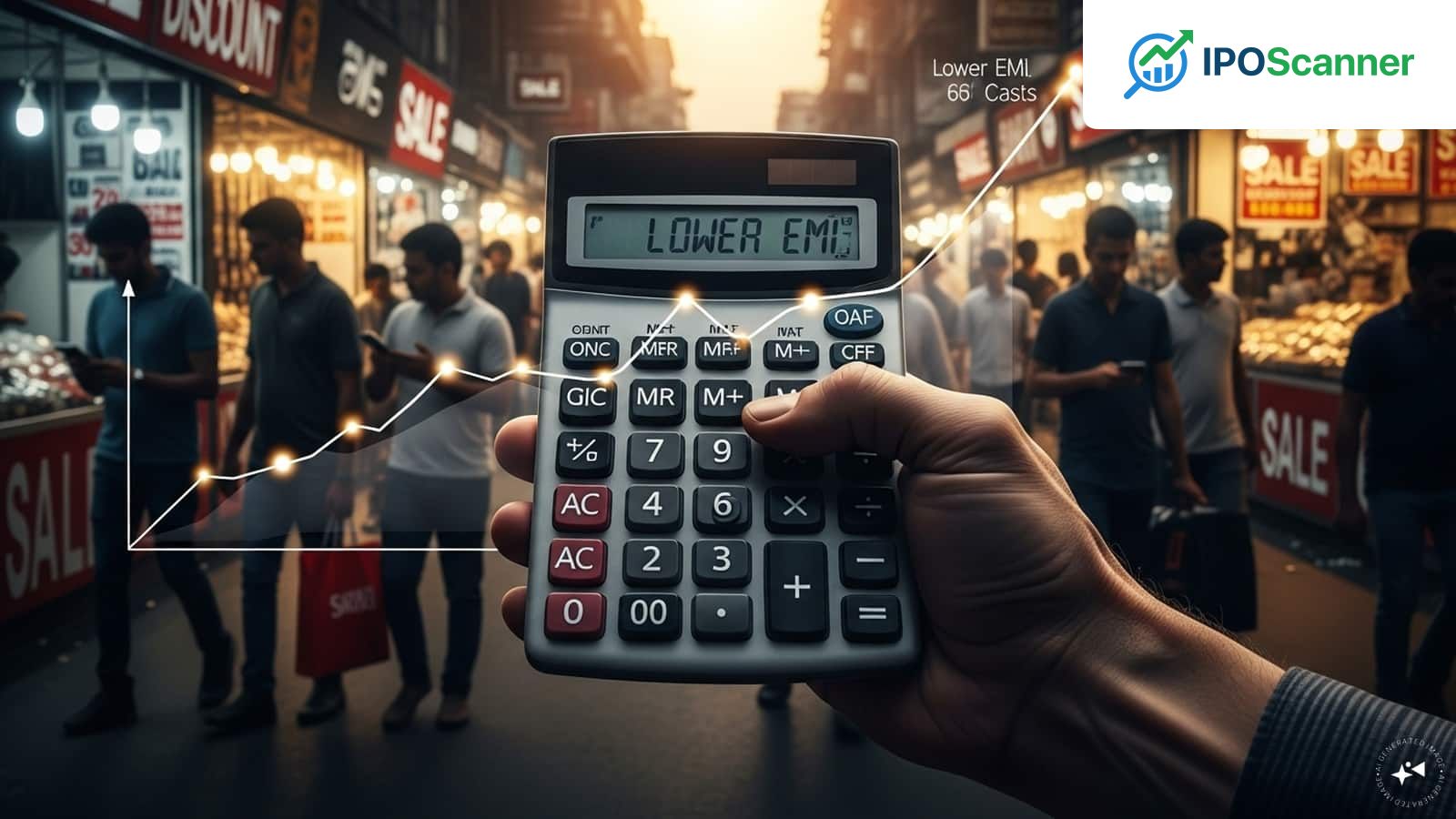
Lower EMIs May Not Always Mean Lower Costs: Strategies for Efficient Borrowing
Loan Affordability: Beyond the Monthly EMI
When considering a loan, the initial number that catches the eye is the Equated Monthly Installment (EMI). If it appears manageable, the loan may seem affordable. However, EMIs can be misleading. A lower EMI often results from a longer tenure, which typically means paying more interest over time.
A loan's affordability extends beyond its monthly outflow. To make an informed decision, it's essential to consider whether the loan aligns with your overall financial situation. This involves evaluating your own repayment capacity and financial stability.
Understanding Your Repayment Limits
Before comparing loans, it's crucial to determine what you can comfortably repay. A common thumb rule is to keep total EMIs within a reasonable share of your monthly income. Exceeding this threshold can lead to financial pressure, even with a small change in income or expenses.
It's also imperative to consider the future. Expenses may fluctuate, responsibilities increase, and income may not always grow at the same pace. Leaving a buffer in your finances can make a significant difference over time.
| Loan Tenure | Total Interest Paid |
|---|---|
| 5 years | ₹ 1,00,000 |
| 10 years | ₹ 2,50,000 |
| 15 years | ₹ 4,00,000 |
The Risks of a Longer Tenure
Read also: Missing a Single EMI Payment Can Adversely Impact Credit Profile
Lenders often offer lower EMIs by extending the loan tenure. While this may seem appealing, it can lead to paying significantly more interest over time. A slightly higher EMI with a shorter tenure can often reduce the total interest paid.
| Loan Interest Rate | Processing Fee | Other Charges |
|---|---|---|
| 10% | ₹ 5,000 | ₹ 2,000 |
| 12% | ₹ 3,000 | ₹ 1,000 |
| 15% | ₹ 1,000 | ₹ 500 |
Comparing Loans: Beyond the Interest Rate
When comparing loans, it's natural to focus on interest rates. However, the headline number may not tell the full story. Some loans have lower rates but higher processing fees or other charges. Additionally, check whether the rate is fixed or floating, as a floating rate can increase your EMI or tenure if rates rise.
The Benefits of Prepaying
If your loan allows it, prepaying even a small amount can help reduce interest. The earlier you make prepayments, the bigger the impact, as it reduces the principal on which future interest is calculated. Many borrowers wait for large surplus funds before making prepayments, but occasional smaller payments can bring down the total cost meaningfully.
Avoiding Over-Borrowing
Just because a lender is willing to give you a certain amount doesn't mean you should take all of it. Loan eligibility is calculated based on income and broad assumptions, not your personal comfort level. Borrowing less reduces both your EMI and your interest burden, giving you more flexibility in case your financial situation changes.
Hidden Costs to Watch Out For
Processing fees, prepayment charges, late payment penalties, and insurance add-ons can increase the cost of borrowing. These may seem minor compared to the loan amount, but they add up. Before finalising a loan, ask for a complete breakdown of all charges to avoid surprises later.
The Key to Affordability
A loan becomes truly affordable when it fits comfortably into your finances and doesn't stretch you over time. A low EMI can feel reassuring, but it's only part of the story. Look at the full picture, including tenure, total interest, flexibility, and your own ability to repay. A few careful choices at the start can save you a lot more than just a smaller EMI.
Investor Takeaway
Investors should consider the overall cost of borrowing beyond the EMI and plan for future expenses and income changes.
More in General
Correcting Credit Score Errors: A Guide to Ensuring Accurate CIBIL Reports and Optimal Loan Eligibility

Missing a Single EMI Payment Can Adversely Impact Credit Profile
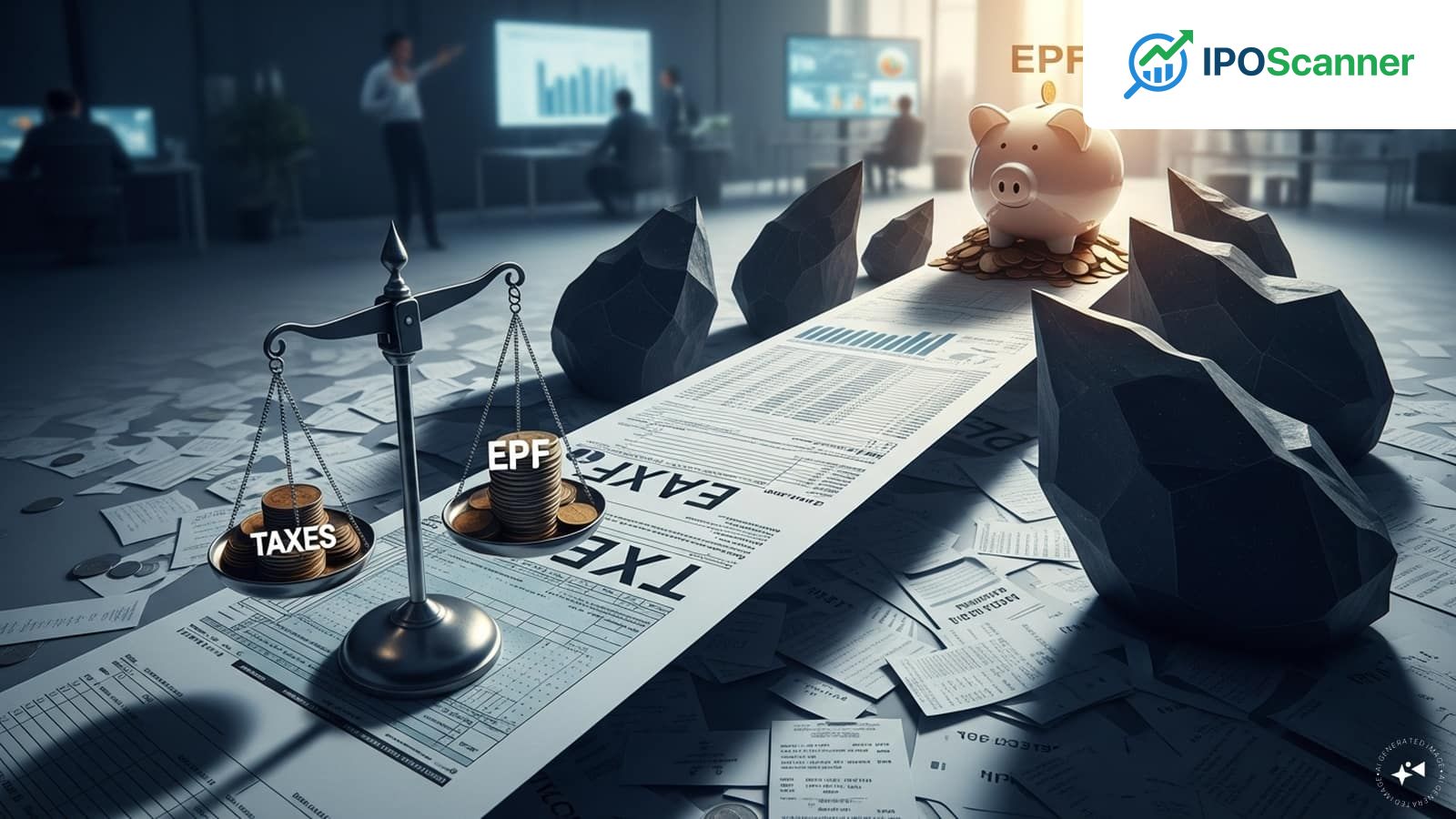
EPF Withdrawal Comes with Tax Implications: A Guide to Understanding the Consequences