Kyoto University Unveils AI-Powered Robot Monk to Address Decline in Priest and Congregation Numbers
Buddhist Temple Robot Initiative Kicks Off in Japan
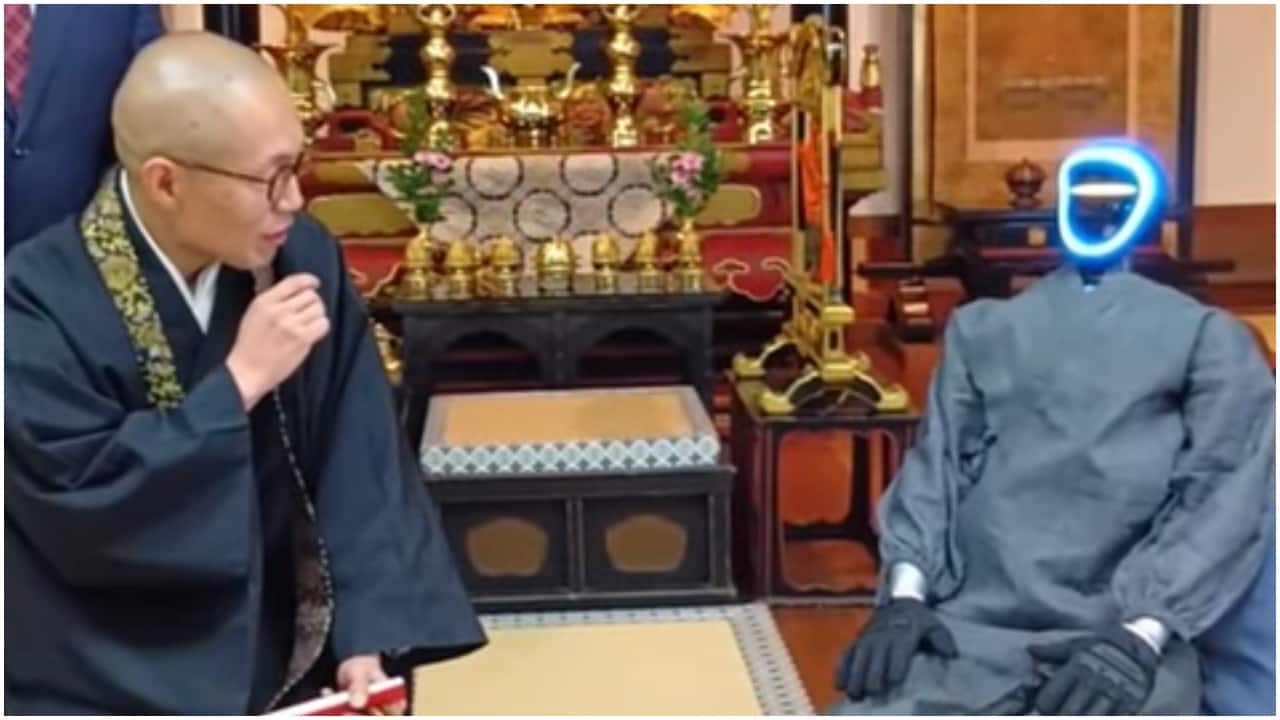
A collaborative research project between Kyoto University, Teraverse, and XNOVA has unveiled an artificial intelligence-enabled robot monk, Buddharoid, designed to support Buddhist temples facing declining clergy numbers and congregations.
Key Features:
- BuddhaBot-Plus, a generative AI model adapted from ChatGPT, enables Buddharoid to provide spiritual counsel and address personal and societal concerns through real-time responses.
- The robot's physical actions are driven by Unitree Robotics hardware, replicating the measured pace of monastic practice, including bowing and performing the traditional gassho gesture.
Read also: Kumar Mangalam Birla to Address Concluding Function of RSS Training Camp
Background:
Japan is experiencing a sustained decline in population and an aging trend, resulting in a marked decrease in participation in organized religion among younger generations. Specialists estimate that up to 30% of Buddhist temples nationwide may cease operating by 2040, with rural districts facing a particularly acute risk.
Comparison to Previous Initiatives:
While the integration of robotics into religious settings is not unprecedented in Japan, Buddharoid represents a significant advancement in terms of direct dialogue capabilities, unlike Mindar, a humanoid robotic figure introduced in 2019 at Kodai-ji Temple, which primarily delivered pre-recorded teachings.
Read also: The Cost of Healthcare: Why Predictability in Medical Inflation is Crucial for Health Insurance
Goals and Implications:
Developers hope that Buddharoid will contribute to safeguarding religious customs and provide a tangible presence within temple spaces, offering reassurance and engagement beyond digital or screen-based platforms.
More in General
Kumar Mangalam Birla to Address Concluding Function of RSS Training Camp

The Cost of Healthcare: Why Predictability in Medical Inflation is Crucial for Health Insurance
Former Google Executive Warns AI Risks Stem from Human Misuse, Not Technological Limitations