Kilauea Volcano Erupts in Hawaii, Lava Released Hundreds of Feet into the Air
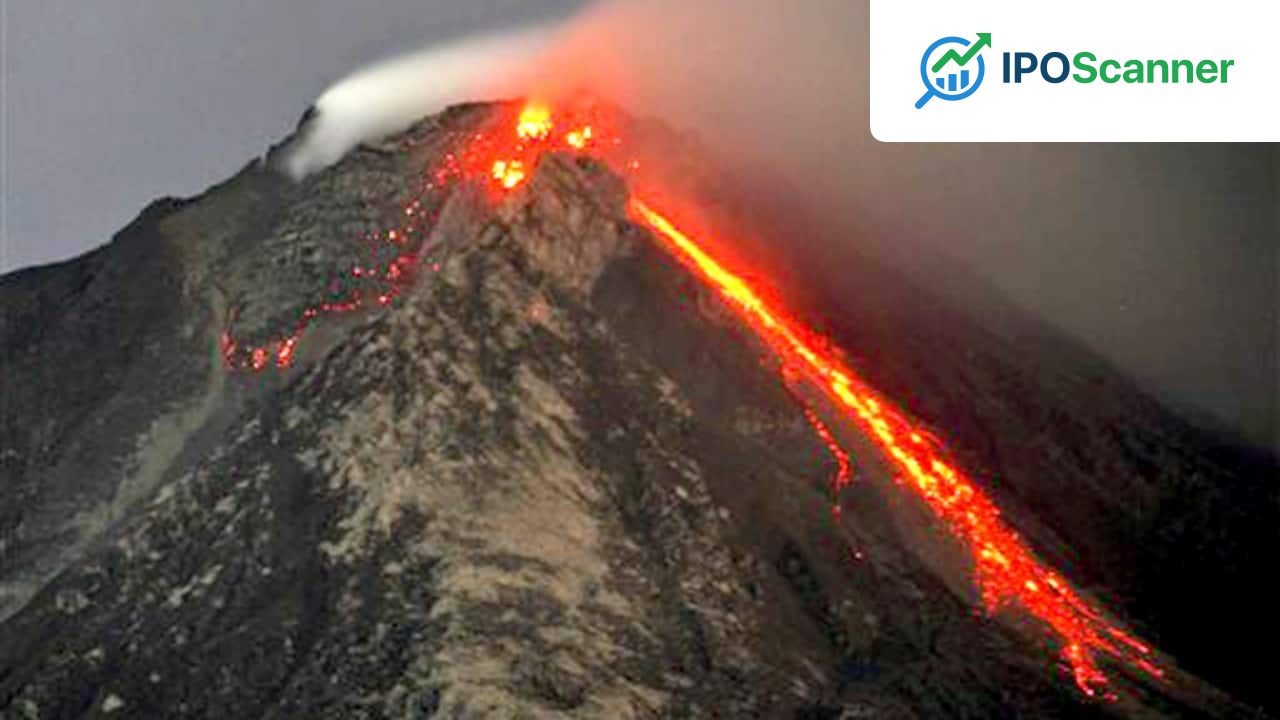
Hawaii's Kilauea Volcano Erupts Again, Sending Lava Shooting 600 Feet into the Air
On April 9, the United States Geological Survey (USGS) reported that the Kilauea volcano in Hawaii began erupting just after 11 am local time. The activity has produced around 3.6 million cubic yards of lava, with thick smoke rising from the summit and lava spilling down the slopes in slow, glowing streams.
This latest eruption is not an isolated incident, but rather the newest in a long run of more than 40 similar episodes since late 2024. Kilauea has been experiencing repeated eruptions, with periods of quiet followed by sudden bursts of activity. The volcano's behavior has led to concerns about the safety of the surrounding area.
The eruption has also released gases like sulphur dioxide, which can turn into vog, a kind of volcanic haze that affects air quality. Tephra, bits of molten rock thrown into the air, is also being released, with some pieces near the summit as large as a football. The National Weather Service has put out an ashfall warning for parts of the south-east of the island, noting that even smaller particles can irritate eyes and make breathing uncomfortable.
Read also: Kumar Mangalam Birla to Address Concluding Function of RSS Training Camp
| Eruption Comparison | 2024-2026 | 2018 |
|---|---|---|
| Number of Eruptions | More than 40 | N/A |
| Lava Volume (cubic yards) | Approximately 3.6 million | N/A |
In response to the eruption, Hawaii Volcanoes National Park was closed, and officials urged people to stay away from the area. The ground can shift, debris can fall, and the air itself can become unsafe, making it essential for visitors to exercise caution.
Kilauea has a long history of eruptions, with some episodes resulting in significant damage and displacement. In 2018, lava flows destroyed homes and forced evacuations. Even now, parts of the area around the summit have been off-limits for years due to cracks in the ground and the risk of sudden collapses.
Despite the risks, more than a million people visit the park every year, often hoping to catch a glimpse of the volcano's activity. However, eruptions like Thursday's serve as a reminder that the volcano is an active, shifting landscape that doesn't provide much warning.
Read also: The Cost of Healthcare: Why Predictability in Medical Inflation is Crucial for Health Insurance
For now, scientists are closely monitoring the situation to determine how long this phase lasts and when the next burst might occur.
More in General
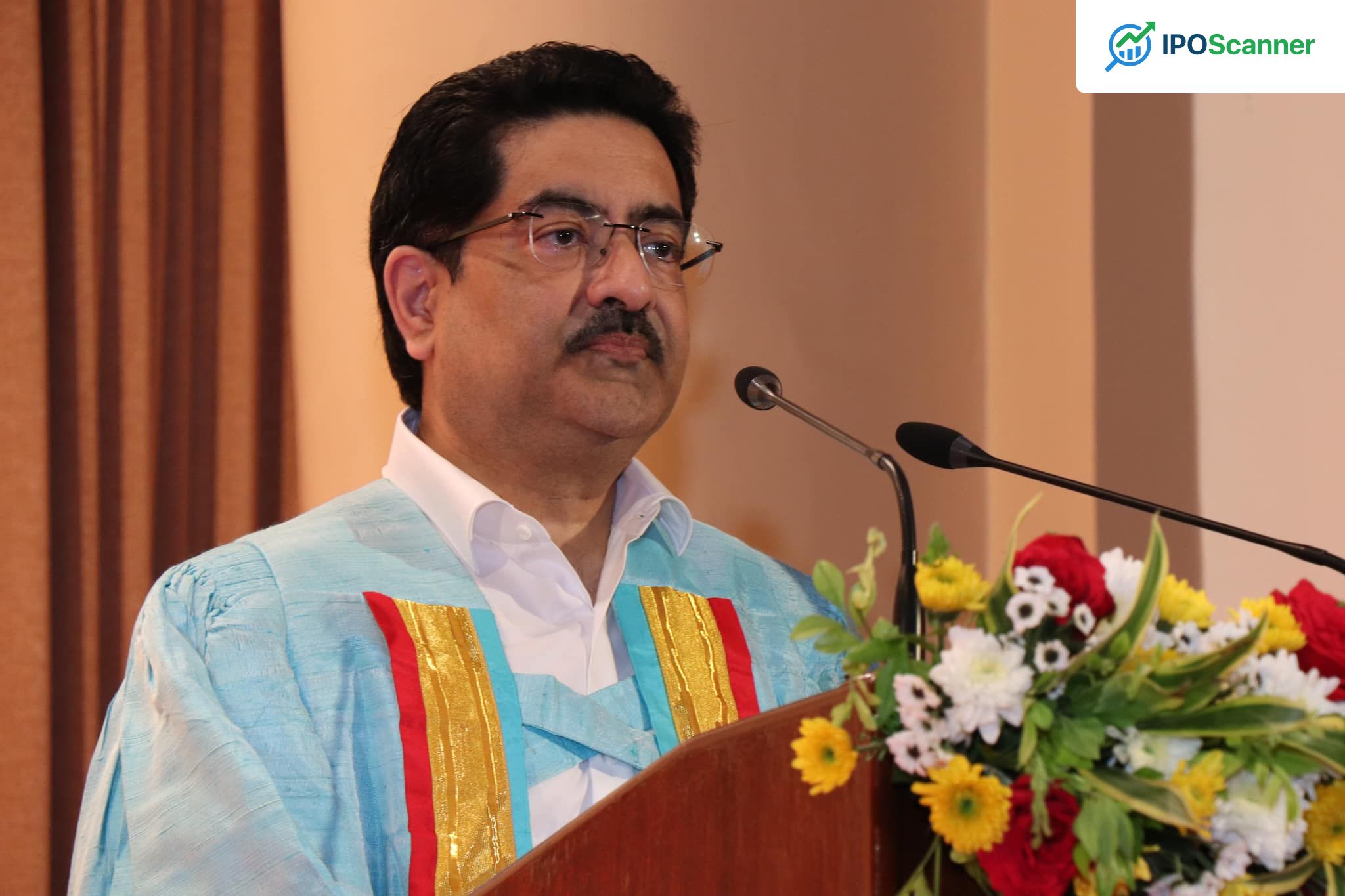
Kumar Mangalam Birla to Address Concluding Function of RSS Training Camp

The Cost of Healthcare: Why Predictability in Medical Inflation is Crucial for Health Insurance

Former Google Executive Warns AI Risks Stem from Human Misuse, Not Technological Limitations