JPMorgan CEO Warns of Potential Global Economic Shift from Iran Conflict
JPMorgan Chase CEO Warns of Global Economic Risk from Geopolitical Tensions
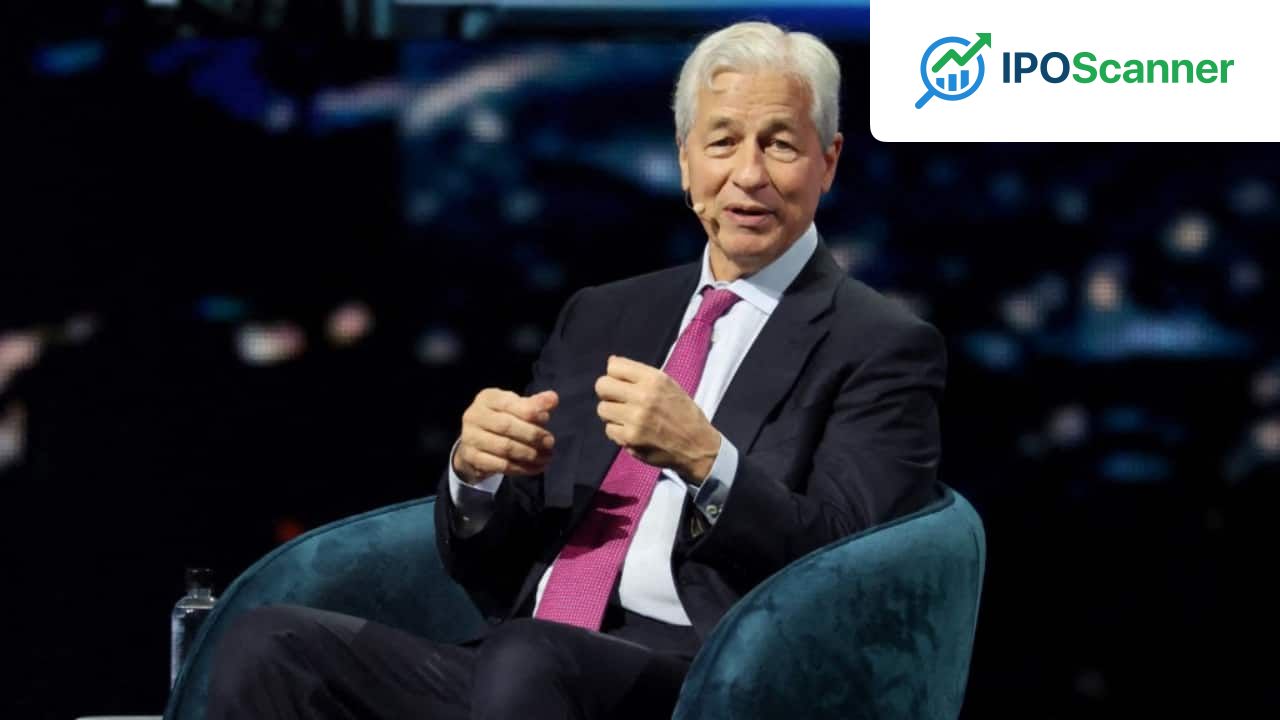
JPMorgan Chase CEO Jamie Dimon has identified geopolitical tensions, particularly the war in Iran and broader hostilities in the Middle East, as the biggest risk facing the bank. In his annual letter to shareholders, Dimon warned that the outcome of current geopolitical events could shape the future global economic order. This warning comes amid heightened tensions in West Asia, where disruptions to energy supply chains have raised concerns about oil prices, inflation, and market volatility.
The ongoing conflicts in Iran and Ukraine, along with rising global tensions, are creating significant uncertainty for markets and economies. Dimon described war as "the realm of uncertainty," highlighting its potential impact on commodities, trade flows, and financial markets. Disruptions to energy supply chains, particularly around key routes like the Strait of Hormuz, have raised concerns about oil prices, inflation, and market volatility.
Beyond active conflicts, Dimon flagged a deeper shift underway in global trade dynamics. Countries are reassessing trade partnerships and supply chains amid rising protectionism and tariff actions, particularly under policies pursued by US President Donald Trump. Dimon stated that while some realignment may be necessary for national security, the long-term consequences remain uncertain.
Read also: Treasury Yields Experience Largest Increase in Two Weeks Following Release of Labor Market Data
Dimon's annual shareholder letter is widely tracked for its broader economic and geopolitical commentary, often extending beyond JPMorgan's business outlook. This year, alongside geopolitical risks, he also highlighted persistent inflation, regulatory challenges, and upheaval in private markets as key headwinds for the global economy. He reiterated that while the US economy has shown resilience, global uncertainty driven by conflict and shifting economic alliances could have far-reaching consequences.
| Risk Factor | Description |
|---|---|
| Ongoing conflicts | Iran, Ukraine, and rising global tensions |
| Disruptions to energy supply chains | Strait of Hormuz and potential impact on oil prices, inflation, and market volatility |
| Trade realignment | Rising protectionism and tariff actions under policies pursued by US President Donald Trump |
Investor Takeaway
Investors should be cautious of potential global economic shifts due to geopolitical tensions.
More in Economy

Treasury Yields Experience Largest Increase in Two Weeks Following Release of Labor Market Data

US-Iran Tensions Spark Uptick in Oil Prices Amid Global Market Decline

MoSPI Releases Uniform Norms for DDP Estimates with 2022-23 Base Year

