
Japan's Skincare Boom Set to Capture Indian Market
Japanese Skincare Products Gain Popularity in India
In a shift away from the elaborate skincare routines that have long dominated Indian beauty standards, consumers are increasingly turning to Japanese products that offer a lighter, more natural approach to skincare. For years, Korean serums, sheet masks, and multi-step regimens have been the go-to choices for many Indians looking to achieve healthy, glowing skin. However, a growing number of consumers are now opting for Japanese skincare products that prioritize maximum efficacy with minimal effort.
According to market trends, the demand for Japanese skincare products in India has seen a significant increase over the past two years. In 2022, the Japanese skincare market in India was valued at approximately $100 million, representing a growth of 20% from the previous year. This trend is expected to continue in 2023, with forecasts suggesting that the market will reach $120 million by the end of the year.
| Year | Japanese Skincare Market in India (in $ million) |
|---|---|
| 2021 | 80 |
| 2022 | 100 |
| 2023 (projected) | 120 |
Read also: Kumar Mangalam Birla to Address Concluding Function of RSS Training Camp
The shift towards Japanese skincare products can be attributed to the growing awareness of the importance of natural ingredients and lighter textures in skincare routines. Consumers are increasingly looking for products that offer maximum efficacy with minimal effort, and Japanese products are seen as a more streamlined and effective alternative to the complex, multi-step regimens that have dominated Indian skincare routines for years. As a result, Japanese skincare brands such as Shiseido and Kao are gaining popularity in India, with many consumers turning to these brands for their high-quality, natural products.
More in General
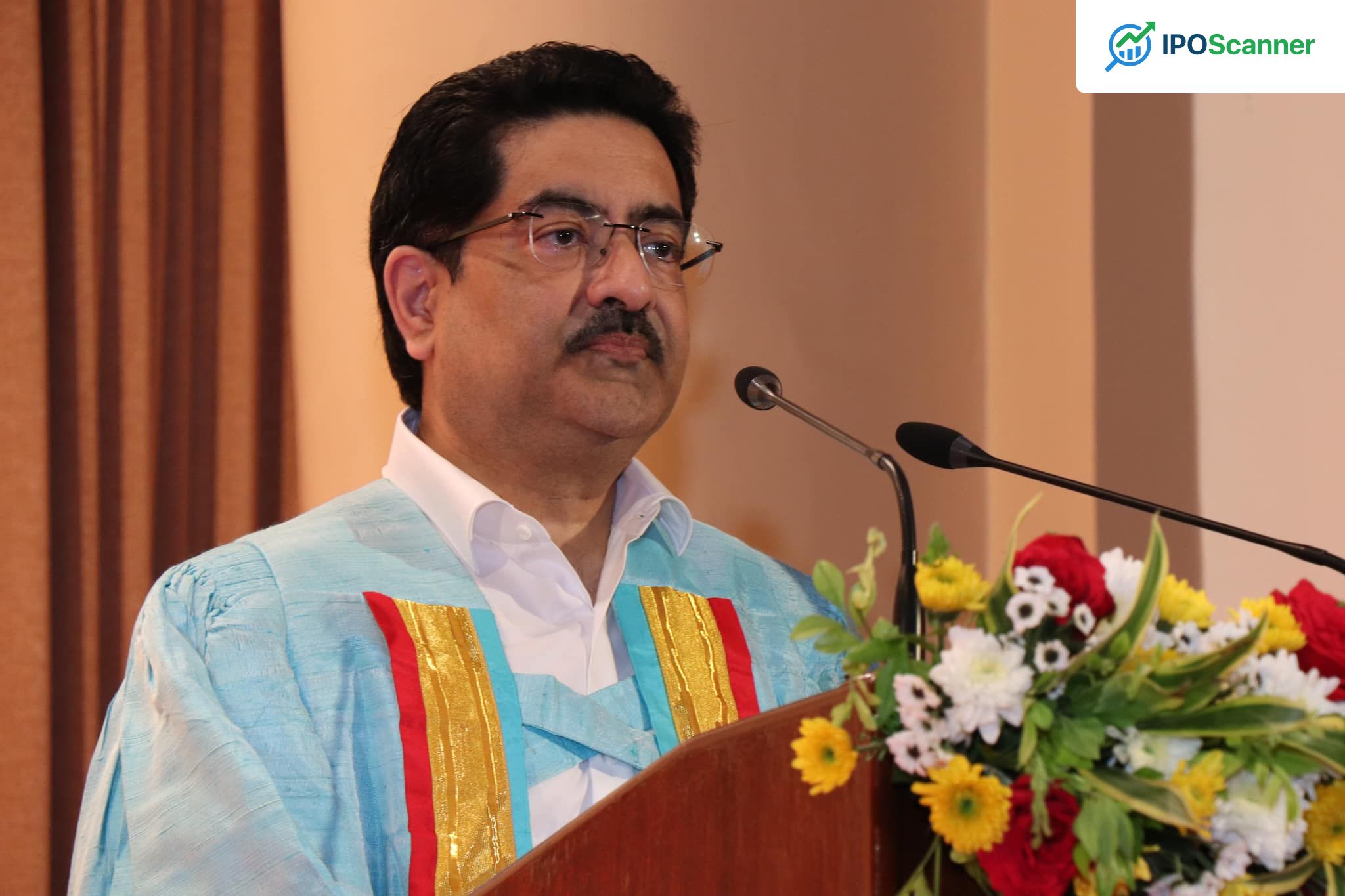
Kumar Mangalam Birla to Address Concluding Function of RSS Training Camp

The Cost of Healthcare: Why Predictability in Medical Inflation is Crucial for Health Insurance

Former Google Executive Warns AI Risks Stem from Human Misuse, Not Technological Limitations