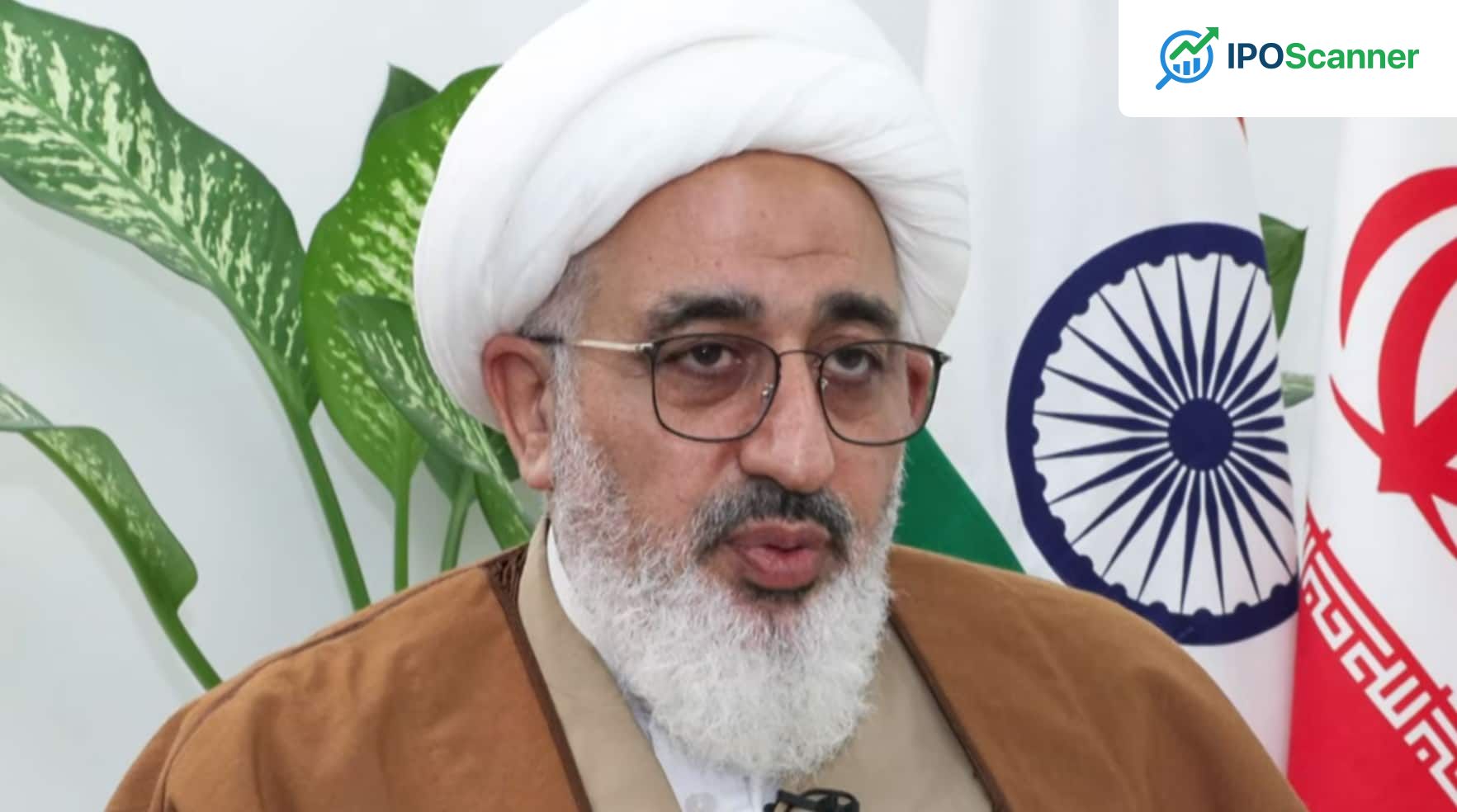
Iran's Supreme Leader Representative in India Describes Current Diplomatic Stalemate as "No War, No Peace
Iran Envoy to India: Ongoing Conflict with Israel-US Alliance a "No War, No Peace" Situation
Representative of Iran's Supreme Leader in India, Abdul Majeed Hakeem Ilahi, characterized the ongoing tensions between Iran and the Israel-US alliance as a state of "no war, no peace" on Saturday. Speaking at a press conference in Bengaluru, Ilahi called for an immediate halt to the conflict, stating that global stability hinges on those who initiated the war.
Ilahi questioned why countries affected by the war and suffering from the energy crisis are not pressuring the US and Israel to stop the aggression. He claimed that Iran did not want the conflict, but was compelled to respond amid continued attacks, even as negotiations were expected to continue. Ilahi recalled the negotiations Iran held in Oman, which later moved to Geneva and made progress before being disrupted by sudden attacks.
The envoy alleged that airstrikes and missile attacks led to the deaths of Iran's supreme leader Ayatollah Ali Khamenei, ministers, commanders, and civilians. He claimed that over 4,000 deaths, more than 40,000 injuries, and widespread damage to houses, hospitals, universities, and public infrastructure resulted from the attacks. However, despite these losses, Ilahi stated that Iran resisted calls for "unconditional surrender" and stood firm and defended itself.
Read also: Kumar Mangalam Birla to Address Concluding Function of RSS Training Camp
Ilahi argued that the US-Israel alliance proposed the current ceasefire only after realizing that they could not achieve any of their objectives after 40 days of conflict. He further claimed that the ceasefire is not an actual ceasefire, but a "no war, no peace" situation. Explaining the current situation in Iran, Ilahi stated that conditions remain stable and people are going about their daily lives.
| Entity | Number of Deaths | Number of Injuries |
|---|---|---|
| Iran | 4,000+ | 40,000+ |
| Civilians | 175+ (in a primary school attack) | - |
Ilahi also addressed the crisis in the Strait of Hormuz, stating that the situation was stable before February 28 and all countries benefited from it. He linked the current maritime instability to the actions of the US and Israel, stating that Iran cannot do anything to resolve the issue unless those who initiated the war stop their aggression.
Criticizing the mentality of "great powerful countries", Ilahi said that they think they have the right to do whatever they want. He sought to know why the countries affected by the conflict are not exerting pressure on the US and the "Zionist" regime to halt the war. Ilahi highlighted Iran's long-standing ties with India, stating that the bilateral cooperation remains strong and citing diplomatic engagement.
Read also: The Cost of Healthcare: Why Predictability in Medical Inflation is Crucial for Health Insurance
According to Ilahi, the relationship between Iran and India is very good, with Iran allowing Indian ships to pass through the Strait of Hormuz. He expressed confidence that in the future, the ties between Iran and India will remain strong.
More in General

Kumar Mangalam Birla to Address Concluding Function of RSS Training Camp

The Cost of Healthcare: Why Predictability in Medical Inflation is Crucial for Health Insurance

Former Google Executive Warns AI Risks Stem from Human Misuse, Not Technological Limitations