Iran Crisis Eases, but High-Net-Worth Investors Remain Cautious
Market Sentiment Shifts as Oil Prices Plummet
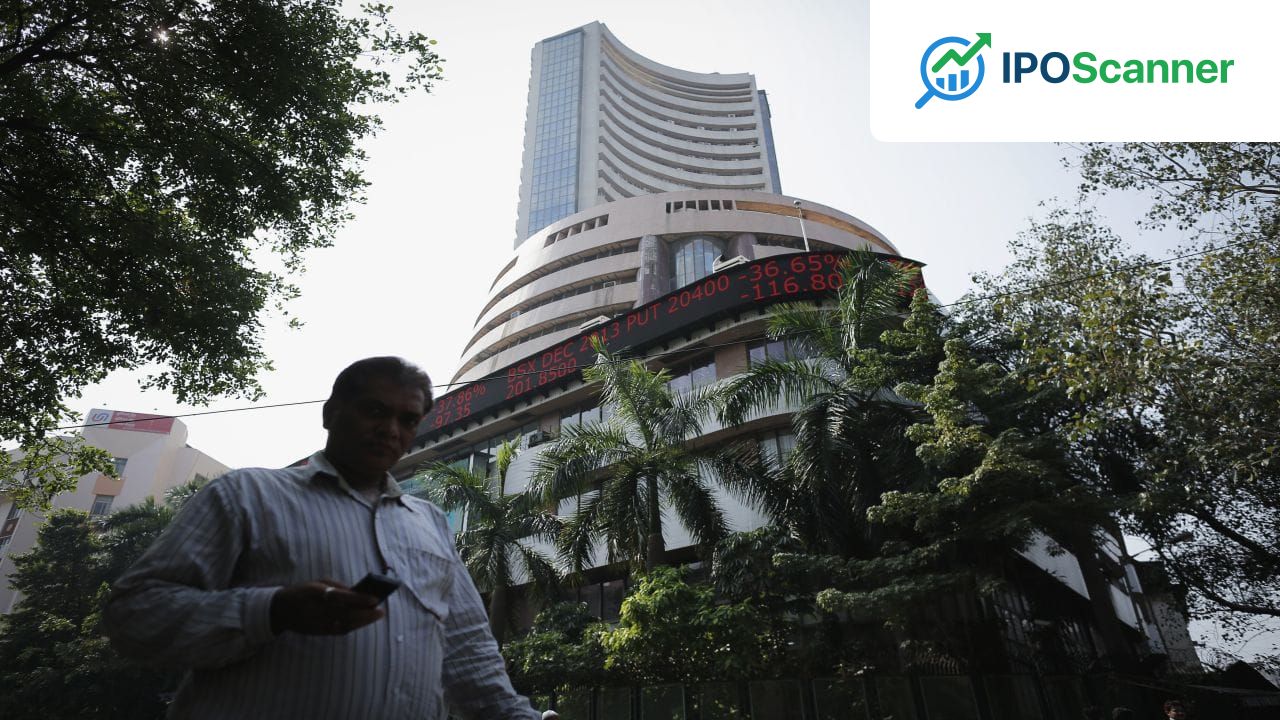
The Indian stock market opened nearly 3% higher on Thursday, a welcome respite from the recent turmoil sparked by rising oil prices and geopolitical tensions. However, the relief on Dalal Street is tempered by cautious optimism from wealth experts who manage high-net-worth individual (HNI) money.
With crude oil prices cratering more than 13% to around $94.5 for Brent and $96 for WTI, the rupee has also gained some breathing room, easing inflation pressure and providing a much-needed boost to the currency. For an economy that imports 85 to 90% of its oil, every $10 drop in the barrel shaves billions off the import bill.
Wealth experts say that HNIs are taking a measured approach to the market, with many quietly reconsidering domestic allocations after having tilted overseas. Pramod Gubbi of Marcellus Investment Managers notes that HNIs are following a long-term approach and will begin to deploy their funds gradually.
Read also: Treasury Yields Experience Largest Increase in Two Weeks Following Release of Labor Market Data
| Sector | Allocation |
|---|---|
| Gold and Precious Metals | 10-20% |
| Financials | Selective momentum building |
| IT | Selective momentum building |
Gubbi sees clear selective momentum building in two key sectors that had been under pressure: financials and IT. For HNIs, financials look attractive, especially private banks and insurance. On IT, he notes that currency depreciation had been a "bump up" but growth has moderated from mid-teen levels to single digits over the past decade.
Rahul Jain, President of Nuvama Wealth, says that it's not wise to get overexcited about the market's short-term relief. "The market can't go unidirectional basis this short-term relief," he cautioned. "We should wait 7 to 10 days to see how the markets are reacting."
After five straight years of strong equity returns, most HNIs walked into this year already overweight, suggesting that this relief rally is best used for thoughtful rebalancing rather than fresh lumpsum aggression.
Read also: US-Iran Tensions Spark Uptick in Oil Prices Amid Global Market Decline
| Expert | Timeframe |
|---|---|
| Rahul Jain (Nuvama Wealth) | 7-10 days |
| Lakshmi Iyer (Bajaj Alternate Investment Management) | No clear timeframe |
Lakshmi Iyer of Bajaj Alternate Investment Management frames the lingering uncertainty: "The current scenario leads us back to two imminent questions again: Is this the end of the conflict? Likely no. But will we see the massive escalation measures going down? Yes."
That question mark is exactly why HNIs will stick to what they do best - a staggered approach through systematic transfers. "We still cannot completely call this a bottom-approach or a top-approach investing method," Iyer reiterated.
Shrikant Chouhan, Head of Equity Research at Kotak Securities, said that the sentiment toward HNIs remained cautiously optimistic until yesterday, as the intensity of the decline had eased over the past three days. Today, backed by positive cues from both the US and Iran, we can expect selective yet confident buying interest in large-cap companies.
What unites these four very different voices is a quiet consensus on where the early flows could land: financials and IT. Experts are aligned that these two sectors, which bore the brunt of FII selling and macro worries in recent weeks, are now positioned for selective, measured interest from HNIs.
Therefore, today's gap-up feels less like the start of a new leg higher and more like a welcome tactical window - with HNIs likely to use it for gradual deployment, portfolio housekeeping, and keeping a little dry powder aside in case the next headline changes everything again in ten days.
Investor Takeaway
High-net-worth investors are cautious and may gradually deploy funds in the market.
More in Economy

Treasury Yields Experience Largest Increase in Two Weeks Following Release of Labor Market Data

US-Iran Tensions Spark Uptick in Oil Prices Amid Global Market Decline

MoSPI Releases Uniform Norms for DDP Estimates with 2022-23 Base Year

