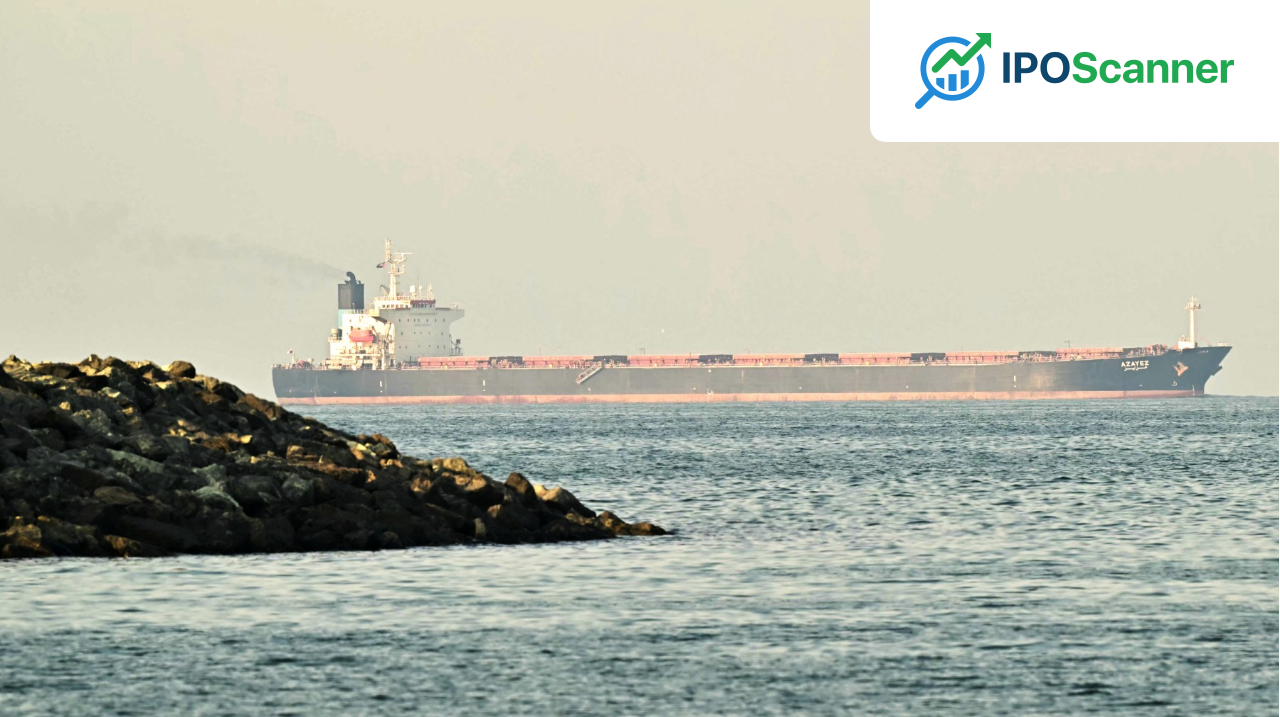
Iran Could Gain Substantial Revenue from Hormuz Transit Fees
Iran's Potential Transit Fees: A Lucrative Opportunity
Iran could generate at least $4 million a day in transit fees if it imposes charges on vessels passing through the Strait of Hormuz, according to a back-of-the-envelope calculation. This estimate assumes toll rates comparable to those charged at the Suez Canal and an equal revenue-sharing arrangement with Oman, which jointly oversees the strategic waterway.
The Strait of Hormuz handles nearly 20% of global oil flows and about a quarter of global liquefied natural gas trade, making it one of the world's most critical energy chokepoints. An estimated 20.3 million barrels of oil and 290 million cubic meters of natural gas pass through the strait each day.
In comparison, Egypt earns about $20 million a day from the Suez Canal, a man-made waterway linking the Mediterranean and Red Seas. Unlike the Suez Canal, however, the Strait of Hormuz is a natural passage. News reports suggest that Iran was charging as much as $2 million per vessel as a safe-passage fee for tankers transiting the Strait of Hormuz.
Read also: Treasury Yields Experience Largest Increase in Two Weeks Following Release of Labor Market Data
The ongoing conflict between the US and Iran has disrupted shipping traffic through the strait. Data shows that about 129 vessels transited daily in February before the conflict, while around 105 vessels per day were passing through a week before hostilities. By April 5, however, traffic had fallen to just nine transit calls, with cargo volumes dropping to 298,164 metric tons.
Iran's reported demands include the introduction of transit fees for ships using the strait. On April 8, the US and Iran announced a two-week ceasefire after 39 days of conflict, with negotiations underway.
| Revenue Streams | Daily Estimate |
|---|---|
| VLCC Toll Fees | $5.3 million |
| VLGC Toll Fees | $600,000 |
| Petroleum Product Shipments | $800,000 |
| Total Estimated Revenue | $6.7 million |
Additional revenue streams could come from gas and refined petroleum shipments. If liquefied gas is transported via Very Large Gas Carriers (VLGCs), this could add roughly $600,000, while petroleum product shipments—estimated at 6 million barrels per day before the conflict—could contribute another $800,000. These estimates exclude other cargo such as chemicals, fertilizers, and general goods, as well as elevated war-risk insurance premiums, which have more than doubled from around 0.25% since the onset of the West Asia conflict.
Read also: US-Iran Tensions Spark Uptick in Oil Prices Amid Global Market Decline
More in Economy

Treasury Yields Experience Largest Increase in Two Weeks Following Release of Labor Market Data

US-Iran Tensions Spark Uptick in Oil Prices Amid Global Market Decline

MoSPI Releases Uniform Norms for DDP Estimates with 2022-23 Base Year

