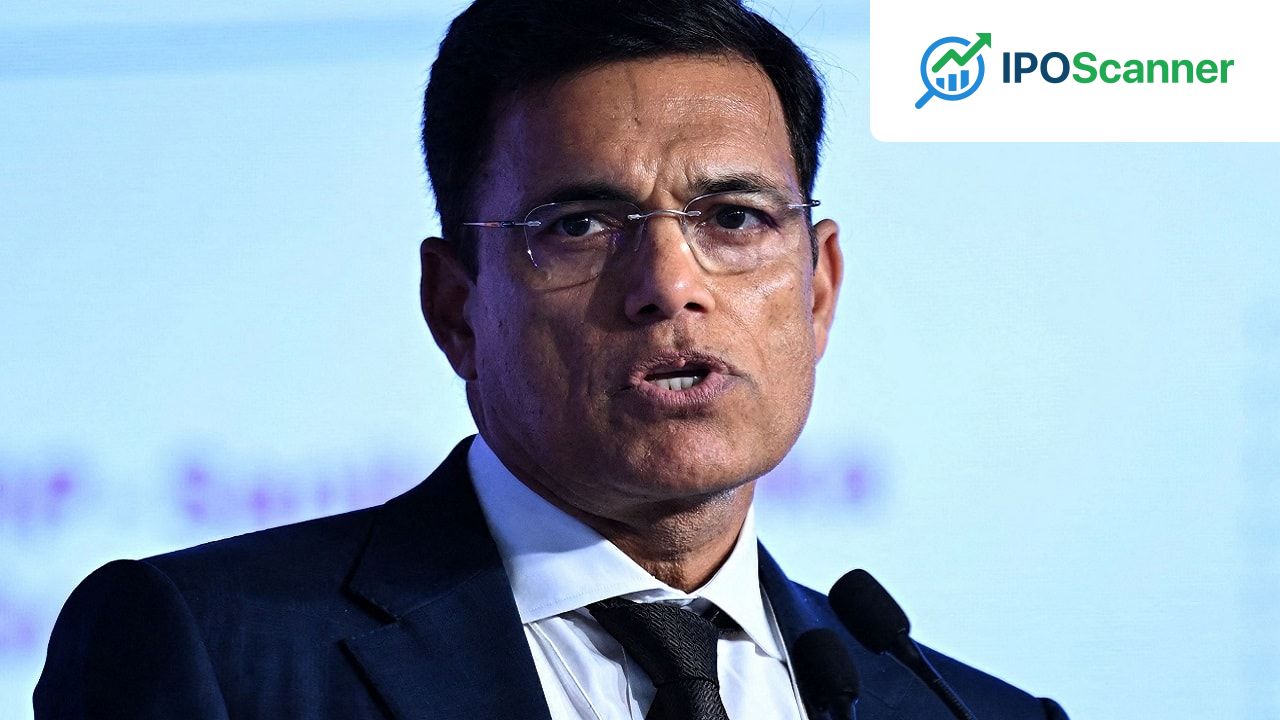
Iran Conflict's Economic Ripple Effects Expected to be Short-Lived, Says JSW Group Chairman Sajjan Jindal
JSW Group Chairman Sees India's Growth Story Continuing Despite Middle East Conflict
The impact of the Middle East conflict on India's growth story will be short-lived, lasting no more than two months, according to Sajjan Jindal, chairman of the JSW Group. Speaking on the sidelines of IIM Nagpur's tenth convocation, where he was the chief guest, Jindal emphasized that industries focus on long-term plans, with some spanning 20, 25, or even 50 years.
When asked about his expectations for capital expenditure (capex) in 2026-27, Jindal expressed confidence that companies will continue to invest due to the ongoing war involving the US, Israel, and Iran. He noted that the Middle East conflict is little more than a temporary setback for India's industrial growth, and that the country's growth journey will continue with a lot of capital expenditure being made by industries.
According to Jindal, the pace of capital expenditure is increasing due to the healthy balance sheets of a majority of companies. He also highlighted the significance of the 'Make in India' initiative in saving foreign exchange, which is in line with Prime Minister Narendra Modi's vision of reducing oil imports and encouraging a shift towards e-mobility.
Read also: Treasury Yields Experience Largest Increase in Two Weeks Following Release of Labor Market Data
The JSW Group is actively pursuing electric vehicle initiatives, including building cells and batteries for electric vehicles in Nagpur, in line with the PM's vision. Jindal emphasized that such measures would have long-term benefits for India.
Regarding the proposed 25-million-tonne steel plant in Gadchiroli, Jindal noted that the area is a natural location for setting up large steel complexes due to its proximity to iron ore mines, which were previously blocked due to Naxalism. However, with the current peace in the region, JSW has committed to building the integrated steel plant.
Comparison of Capex in 2026-27
| Year | Expected Capex |
|---|---|
| 2026-27 | High |
Read also: US-Iran Tensions Spark Uptick in Oil Prices Amid Global Market Decline
Note: The expected capex for 2026-27 is expected to be high, with industries continuing to invest despite the ongoing Middle East conflict.
IIM Nagpur Director Dr Bhimaraya Metri addressed the gathering at the convocation, highlighting the institute's significant jump in the NIRF Rankings 2025, securing the 25th position in the Management category. This achievement makes IIM Nagpur the youngest IIM to achieve this feat and ranks it 10th among all IIMs.
On the global front, IIM Nagpur has received recognition from CEOWORLD Magazine, ranking it among the world's Top 150 business schools and placing it 17th in Asia. The institute has also seen a significant increase in placements, with the number of students placed rising by over 15% compared to last year. The highest package offered this year stood at Rs 73.17 lakh per annum, marking an increase of more than 5%, while six students secured international placements.
While over 250 companies participated in the final placement process, the institute welcomed more than 100 new recruiters on its campus. The institute director noted that these numbers tell us that IIM Nagpur is gaining stronger recognition, stronger acceptance, and stronger credibility in the world of business and management.
Investor Takeaway
India's growth story is expected to continue despite the Middle East conflict, with industries focusing on long-term plans.
More in Economy

Treasury Yields Experience Largest Increase in Two Weeks Following Release of Labor Market Data

US-Iran Tensions Spark Uptick in Oil Prices Amid Global Market Decline

MoSPI Releases Uniform Norms for DDP Estimates with 2022-23 Base Year

