India's Privatisation Drive Stalls Amid Lacking Investor Interest
India Privatisation Plans Under Pressure
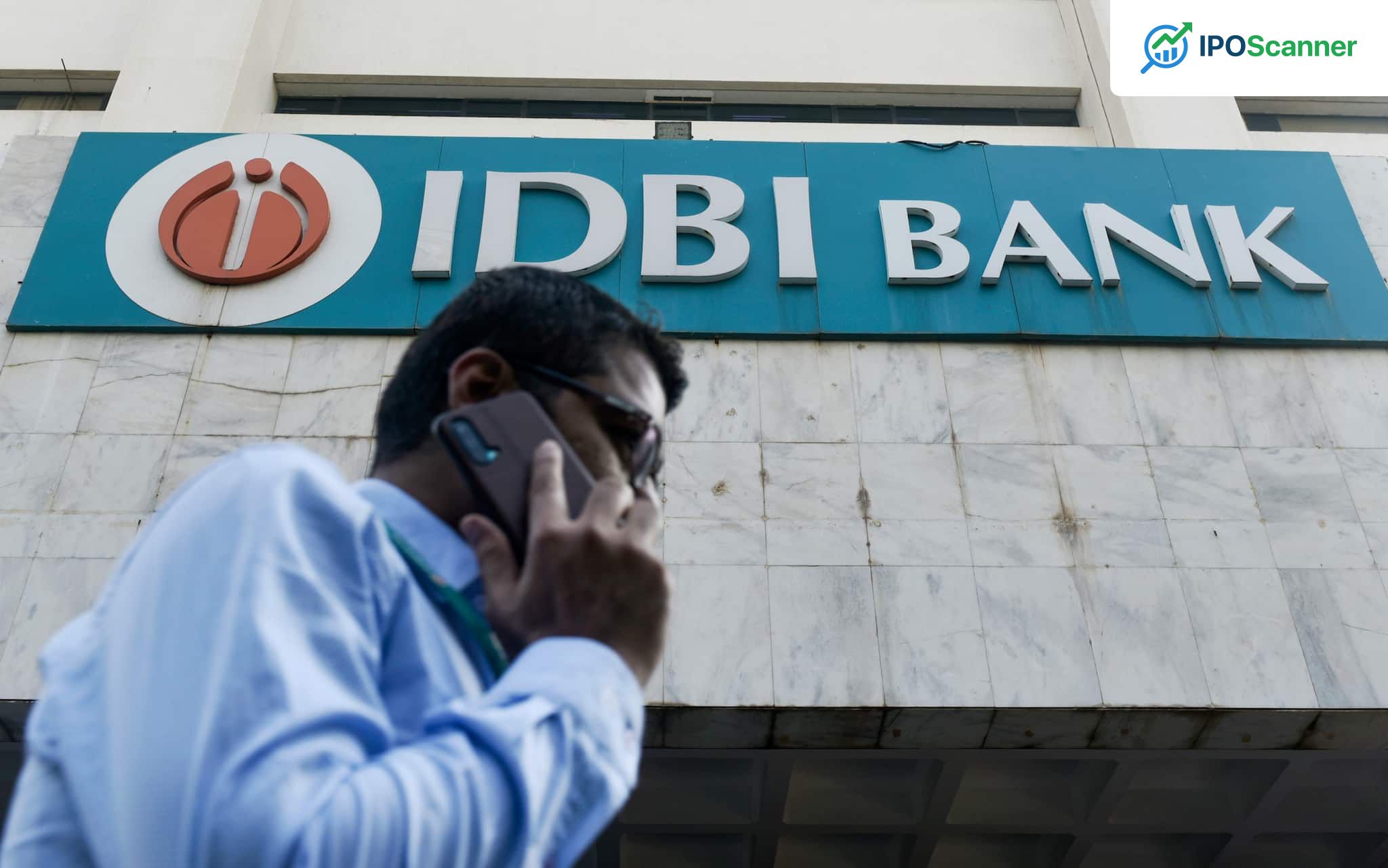
Weak investor appetite is causing the Indian government to reconsider three planned privatisation sales, according to two government sources. The move is a setback for the government's flagship divestment programme, which has already been impacted by the collapse of the IDBI Bank stake sale last week.
The privatisation plan, initially aimed at having the state exit most sectors while remaining in sensitive areas, has been delayed for years due to bureaucratic red tape and political pushback. The government was able to sell Air India to Tata Sons and indirect holdings in Neelachal Ispat Nigam Ltd to Tata Steel, but the sale of IDBI Bank fell short of the government's minimum price.
DWINDLING BUYER INTEREST
Read also: Treasury Yields Experience Largest Increase in Two Weeks Following Release of Labor Market Data
The government has faced difficulty in attracting buyers for state-run firms such as Shipping Corporation of India and HLL Lifecare. Shipping Corporation was put on the block in 2020 with multiple bidders showing interest, but a review found the shortlisted bidders were ineligible to acquire the firm. The divestment department has proposed scrapping the sale and exploring a merger with Container Corporation of India.
The government had also targeted privatising Container Corporation of India in 2021-22 but never launched the sale. HLL Lifecare was put on the block in 2021 but interested bidders declined to move ahead with the process due to unclear sale offer terms.
OPERATIONAL INEFFICIENCIES
Operational inefficiencies, unclear asset transfers, and high government pricing expectations, coupled with limited incentives, are keeping investor interest weak and stalling privatisation. Ankur Wahal, director at En Pointe Adwisers, said that the failed sale of IDBI Bank will likely hit divestment receipts for the next financial year, starting April 1. India has targeted 800 billion rupees ($8.66 billion) in asset monetisation and divestments.
Read also: US-Iran Tensions Spark Uptick in Oil Prices Amid Global Market Decline
The failed sale of IDBI Bank has raised concerns about the government's ability to meet its divestment targets, particularly in the face of the Middle East crisis, which is threatening to raise India's oil import bill and add pressure through higher inflation and a wider current account deficit.
Investor Takeaway
Investors should be cautious of India's privatisation plans due to weak investor appetite and dwindling interest in state-run firms.
More in Economy

Treasury Yields Experience Largest Increase in Two Weeks Following Release of Labor Market Data

US-Iran Tensions Spark Uptick in Oil Prices Amid Global Market Decline

MoSPI Releases Uniform Norms for DDP Estimates with 2022-23 Base Year

