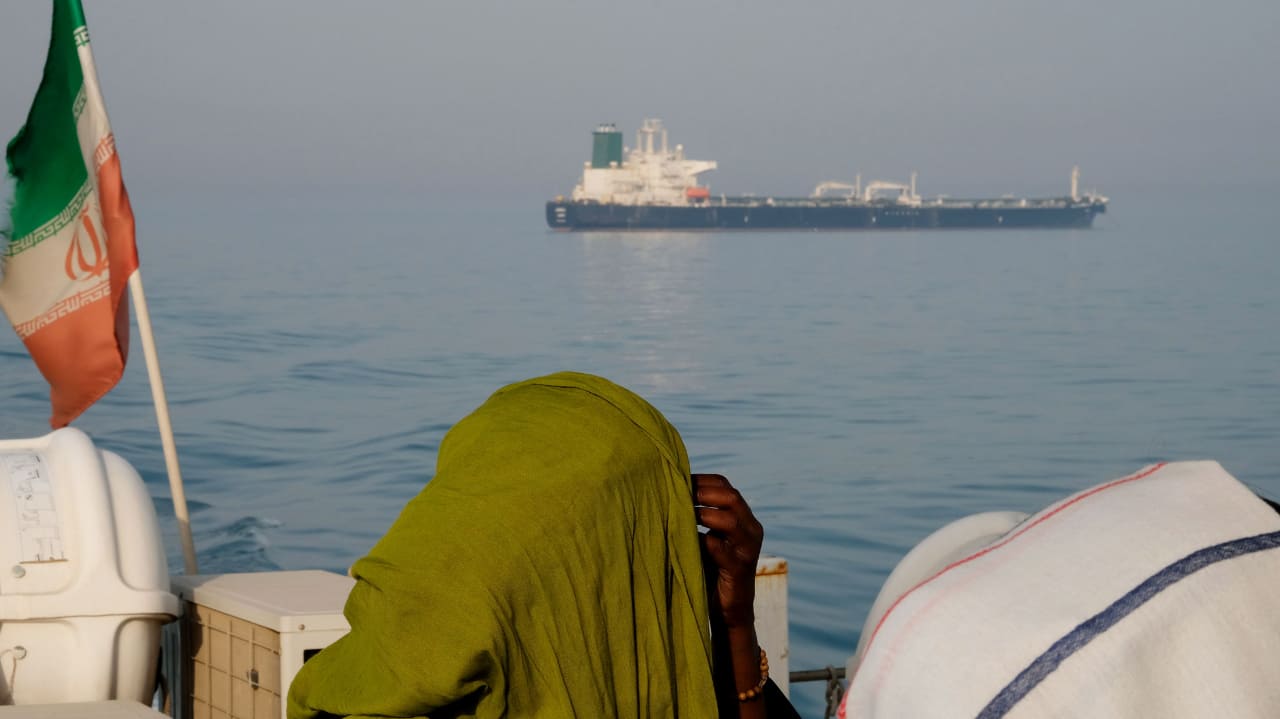
India's Oil Reserves Face Test Amid Gulf Region Tensions
India's Oil Supplies at Risk: Assessing the Buffer
Key Figures:
- 100 million barrels: Commercial crude stocks held in India
- 39 million barrels: Strategic petroleum reserve held at Mangalore, Padur, and Visakhapatnam
- 5.3 million tonnes: Reserve capacity of crude oil at three locations
- 1.33 MMT: Crude oil storage capacity at Vishakhapatnam
- 1.5 MMT: Crude oil storage capacity at Mangaluru
- 2.5 MMT: Crude oil storage capacity at Padur
- 6.5 MMT: Total storage capacity of two additional commercial-cum-strategic petroleum reserve facilities
- 2.5-2.7 million barrels per day: Crude imports transiting the Strait of Hormuz
- $65/barrel: Recent crude oil price before escalation
- $72-73/barrel: Current crude oil price
- 15 million bpd: Global seaborne crude trade transiting the Strait of Hormuz
- 8-10 million bpd: Effective disruption of oil supplies
Assessment of India's Oil Supplies
Read also: Treasury Yields Experience Largest Increase in Two Weeks Following Release of Labor Market Data
India's oil supplies face a significant risk of disruption due to escalating tensions in the Middle East. However, the country has a sufficient buffer to meet its energy demands if the conflict is prolonged. Kpler data indicates that commercial crude stocks are around 100 million barrels, with an additional 39 million barrels held in strategic reserves at Mangalore, Padur, and Visakhapatnam.
These combined reserves could theoretically cover close to 60 days of imports in a disruption scenario from a crude perspective. Additionally, oil marketing companies hold refined product inventories, which would extend effective coverage further.
Strategic Petroleum Reserve
India has a reserve capacity of 5.3 million tonnes of crude oil at three locations, including Vishakhapatnam, Mangaluru, and Padur. The Union Minister for Petroleum and Natural Gas, Hardeep Singh Puri, informed the Rajya Sabha on February 9 that the country's strategic petroleum reserves can last 74 days to meet energy demands in case of geopolitical shocks.
Read also: US-Iran Tensions Spark Uptick in Oil Prices Amid Global Market Decline
However, the Indian Energy Agency estimates that there should be about 90 days of holding as a strategic petroleum reserve.
Impact of Strait of Hormuz Disruption
A disruption of the Strait of Hormuz will affect as much as 50% of India's monthly total oil imports and almost all of its LPG purchases. Kpler data indicates that roughly 2.5-2.7 million barrels per day of India's crude imports transit Hormuz, largely from Iraq, Saudi Arabia, UAE, and Kuwait.
Market Expectations
Analysts expect crude oil prices to rise further as markets open on Monday, with Brent potentially jumping by $15 per barrel as risk premiums are aggressively repriced.
Investor Takeaway
India's oil reserves may be able to meet energy demands in the event of prolonged conflict in the Middle East.
More in Economy

Treasury Yields Experience Largest Increase in Two Weeks Following Release of Labor Market Data

US-Iran Tensions Spark Uptick in Oil Prices Amid Global Market Decline

MoSPI Releases Uniform Norms for DDP Estimates with 2022-23 Base Year

