India's Iran Conundrum: Why the Hormuz Crisis Trumps the Ukraine Ceasefire
India's Economy at Risk as Iran Rejects Ceasefire Extension
This morning, a statement from Donald Trump suggested that the Iran ceasefire would continue indefinitely. However, within hours, the story began to unravel as Iran rejected the extension, with officials making it clear that a "losing side cannot dictate terms." Furthermore, the fine print of the US position remains unchanged, meaning the blockade continues, and the key economic problem for India remains unresolved.
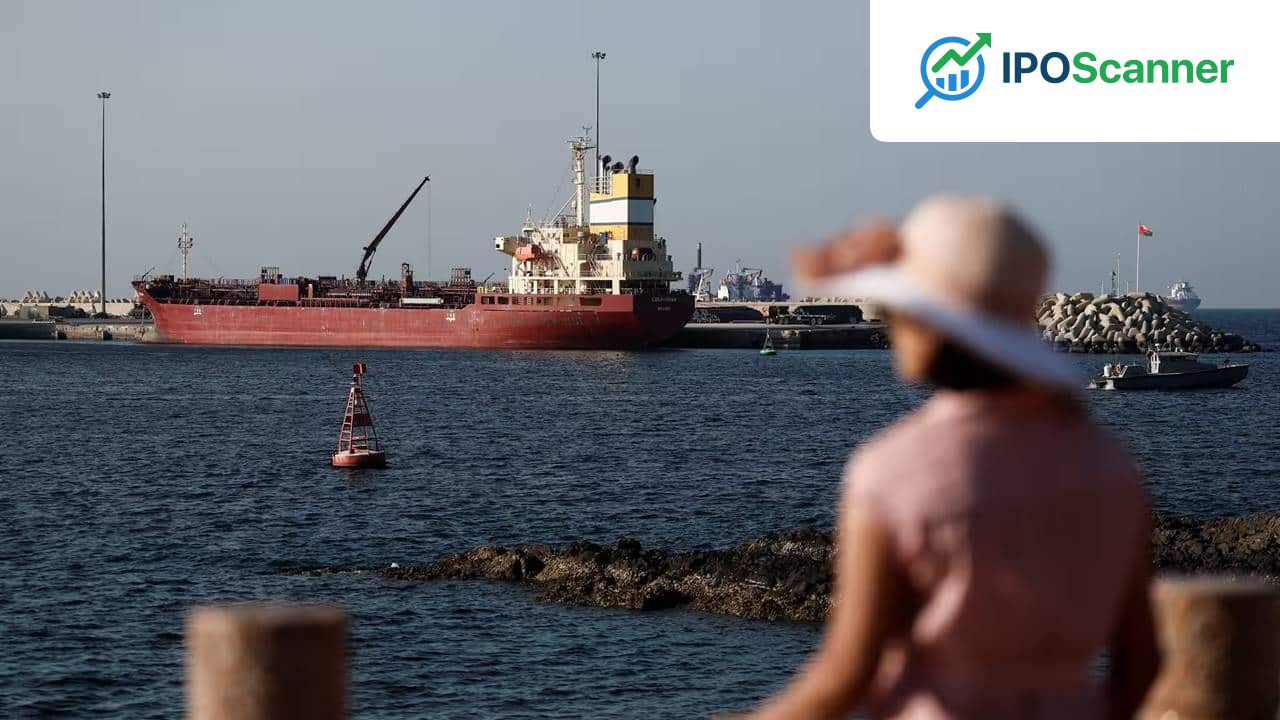
The Strait of Hormuz is a critical oil shipping route, and any disruption to this route can have far-reaching consequences for India's economy. A blockade can slow down shipping, raise insurance costs, and bring uncertainty into every cargo that moves through the strait. This can reverse the hard-won gains of India against inflation, which has been managed with some discipline over the past year. However, high crude prices can upset the MPC's inflation arithmetic, causing transport costs to rise and the ripple effect to spread steadily across the economy.
Key Statistics:
Read also: Treasury Yields Experience Largest Increase in Two Weeks Following Release of Labor Market Data
| Current Situation | Past Crises | |
|---|---|---|
| Oil Imports | 85% of demand | N/A |
| Foreign Exchange Reserves | Healthier | Lower |
| Energy Sources | More diversified | Less diversified |
The Reserve Bank of India (RBI) can only wait and watch at this point, as the MPC has chosen its words carefully, signaling caution without saying too much. This stance should continue until there is a tangible change in the current situation. One thing is certain: rate cuts, which once seemed within reach, are now drifting further away.
The rupee has already been the victim of a prolonged Middle-East war, and the RBI has had to step in to rescue the unit. However, the RBI cannot support the rupee forever, and the currency has to survive on its own ultimately. A higher oil bill widens the current account deficit, making imports costlier and putting pressure on the rupee.
The government cannot do much to mitigate the impact of high oil prices, and someone must absorb the shock. Either consumers pay more, or the Centre cuts taxes and takes the hit on revenues. The buffers that India has built up, such as diversified energy sources and healthier foreign exchange reserves, can only do so much to mitigate the impact of a prolonged blockade.
Read also: US-Iran Tensions Spark Uptick in Oil Prices Amid Global Market Decline
If the Hormuz remains under pressure, India's economy is not out of the woods. The country is in a relatively better position compared with past crises, but those buffers can only do so much.
Investor Takeaway
India's oil bill may increase due to the potential disruption in oil supplies through the Strait of Hormuz.
More in Economy

Treasury Yields Experience Largest Increase in Two Weeks Following Release of Labor Market Data

US-Iran Tensions Spark Uptick in Oil Prices Amid Global Market Decline

MoSPI Releases Uniform Norms for DDP Estimates with 2022-23 Base Year

