India's Gold Import Bill: Why Advising Against Buying Gold May Actually Boost Demand
India's Gold Imports Pose Significant Pressure on Rupee and Current Account Deficit
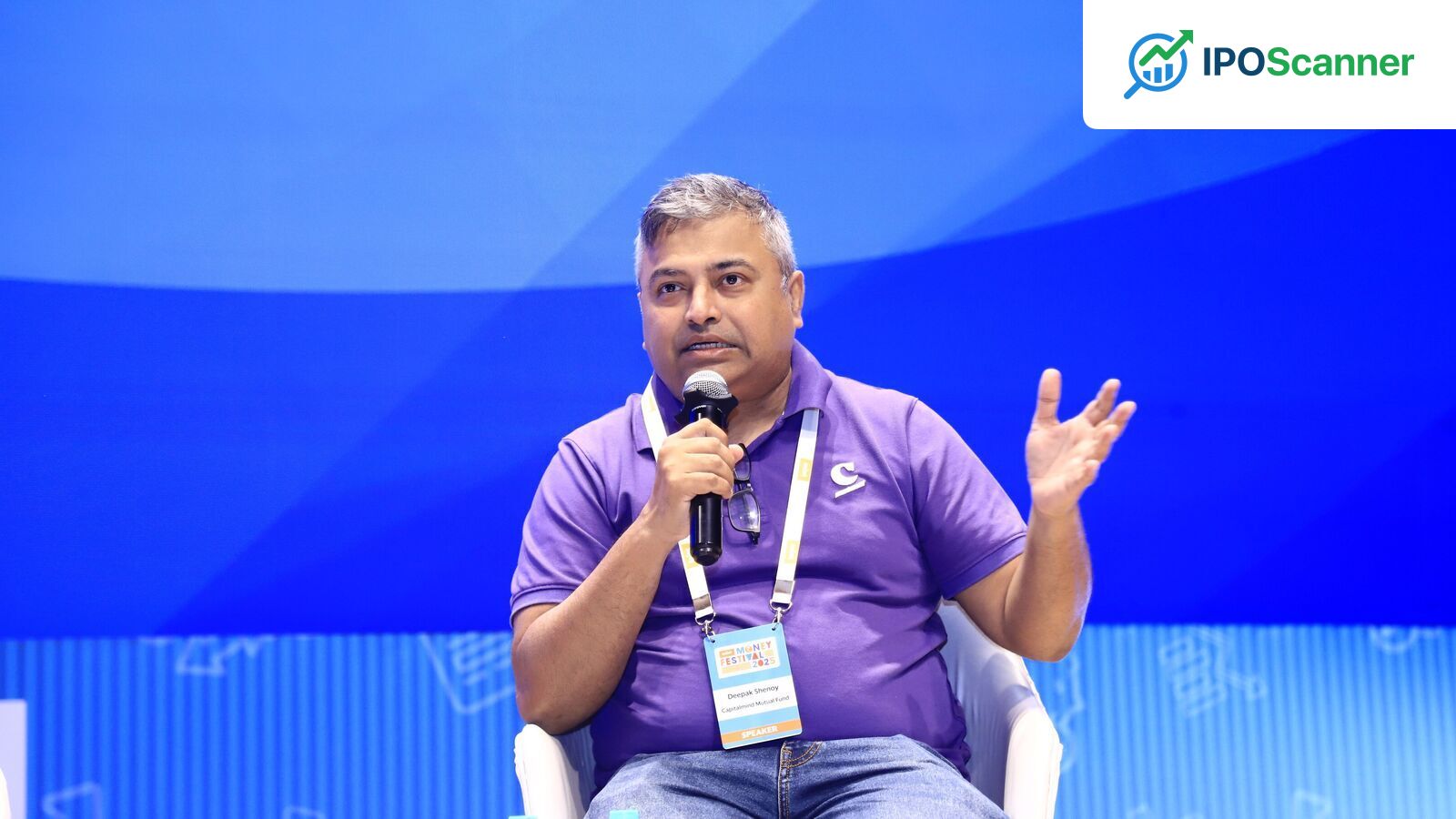
The social media is abuzz with debate over Prime Minister Narendra Modi's austerity measures aimed at improving India's foreign exchange reserves and maintaining economic strength in the light of the West Asia crisis. One of the measures announced by Modi involves deferring gold buying for a year, as it forms a major part of India's import bill, alongside crude. However, investor and Capitalmind founder Deepak Shenoy argues that India should stop trying to persuade citizens to buy less gold and instead focus on reducing imports through smarter supply-side measures.
India's rising gold imports are becoming a significant pressure point for the rupee and the country's current account deficit (CAD), with Shenoy suggesting that the Reserve Bank of India (RBI) could play a direct role in easing the burden. According to Shenoy, India's gold imports stood at around $51 billion in FY25 and could rise to nearly $92 billion in FY26. By comparison, net crude oil imports—a historically dominant component of India's import bill—were estimated at roughly $102 billion.
| FY25 | FY26 | FY25 vs FY26 |
|---|---|---|
| $51 billion | $92 billion | 80% increase |
Read also: Treasury Yields Experience Largest Increase in Two Weeks Following Release of Labor Market Data
Shenoy estimates that India's current account deficit could widen to around $80 billion in FY26 from about $50 billion a year earlier. "Cutting crude oil imports and gold by 25% each will bring the deficit down substantially," he said.
India imported around 780 tonnes of gold last year, with demand coming from jewellery buyers, retail investors, exchange-traded funds (ETFs), and digital gold platforms. RBI should sell part of its gold reserves, Shenoy proposes, as the bank holds over 800 tonnes of gold. Selling around 200 tonnes annually to domestic jewellers and market participants could replace nearly half of annual imports and reduce dollar outflows by roughly $30 billion.
| RBI Gold Holdings | Proposed Annual Sales | Potential Impact |
|---|---|---|
| 800 tonnes | 200 tonnes | Reduce dollar outflows by $30 billion |
Shenoy acknowledged that RBI gold sales would absorb rupee liquidity because payments made to the central bank effectively remove money from circulation. He estimated the liquidity impact at around ₹3 lakh crore, but said the RBI could offset it through temporary or durable liquidity measures such as variable rate repos (VRRs) or government bond purchases.
Read also: US-Iran Tensions Spark Uptick in Oil Prices Amid Global Market Decline
The move could also help stabilise the rupee and improve predictability for foreign investors. Shenoy further suggested increasing the internal gold supply by importing through a nationwide repurchase scheme. With 30,000 tons inside the country, a 1% recycle rate is half our annual demand, he said. He also recommended eliminating capital gains tax on such transactions to encourage participation.
Another suggestion involves allowing gold ETFs to lend up to 10% of their holdings on a recallable basis, with interest income flowing back to investors. While Shenoy acknowledged that the impact would be relatively small compared to overall imports, he said every additional domestic source of supply would help ease pressure on external balances.
Investor Takeaway
India's efforts to reduce gold imports may have the opposite effect, leading to increased demand.
More in Economy

Treasury Yields Experience Largest Increase in Two Weeks Following Release of Labor Market Data

US-Iran Tensions Spark Uptick in Oil Prices Amid Global Market Decline

MoSPI Releases Uniform Norms for DDP Estimates with 2022-23 Base Year

