India's Gold Import Ban: A One-Year Experiment in Price Management
India's Prime Minister Calls for Austerity Measures to Strengthen Economy
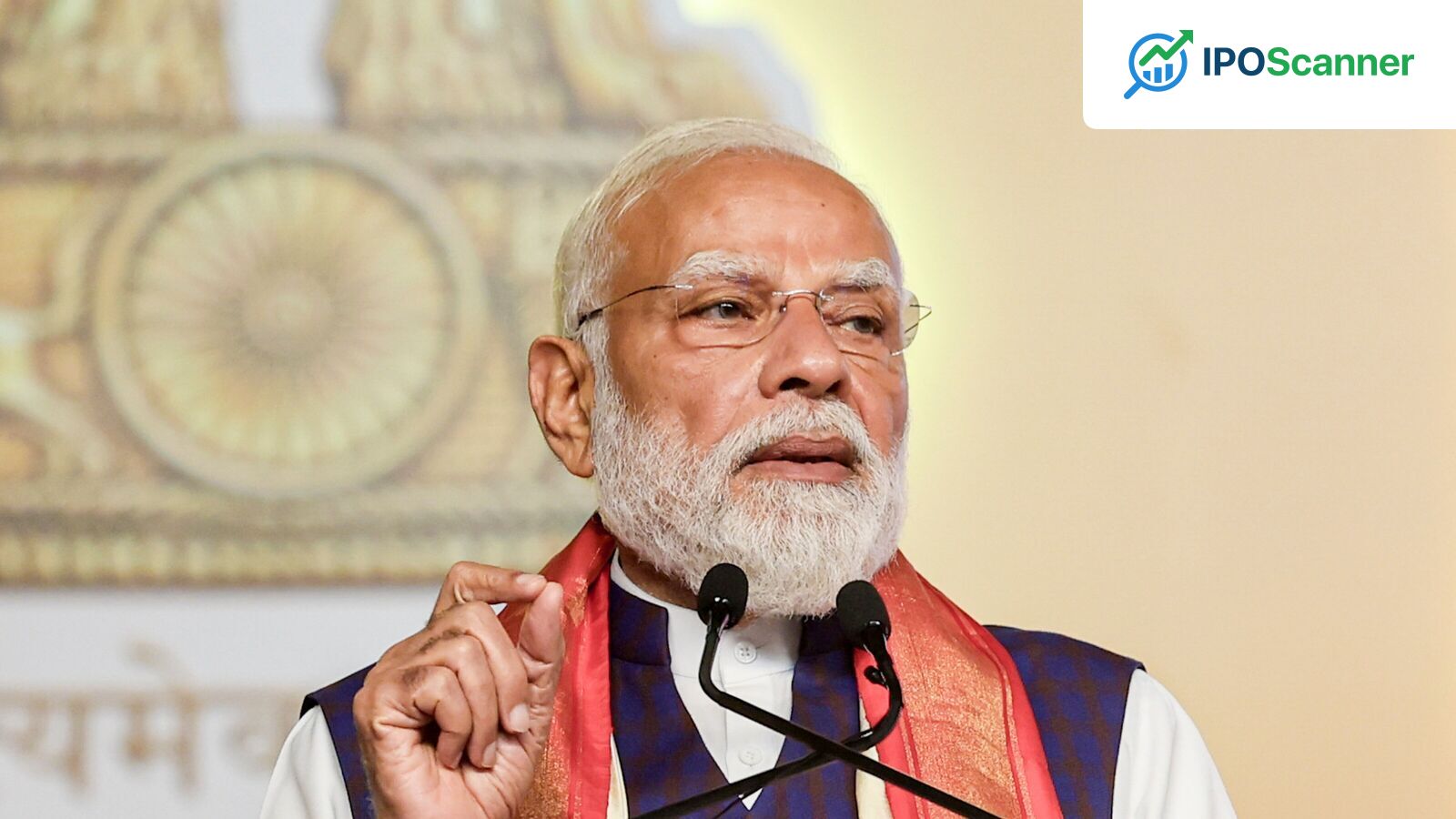
In response to the ongoing West Asia crisis, Prime Minister Narendra Modi has urged Indians to boycott gold purchases and foreign travel, among other measures, to conserve foreign exchange reserves and reduce fuel consumption. The call comes as crude and gold form one of the major import costs for India, draining the country's foreign exchange reserve.
According to the Reserve Bank of India (RBI), foreign exchange reserves fell by $7.794 billion to $690.693 billion in the week ended May 1 from a record high of $728.494 billion in the week ended February 27. This decline is largely attributed to the sustained pressure on the rupee and prompted RBI intervention through dollar sales.
The US-Israel-led war against Iran has entered its third month, with no signs of a resolution on the horizon. This has led to a significant increase in global oil prices, which poses a challenge for India, as it relies on crude imports to meet 80-85% of its needs. A 10% rise in crude prices cuts economic growth by 15 basis points and lifts inflation by 30 basis points, according to the central bank.
Read also: Treasury Yields Experience Largest Increase in Two Weeks Following Release of Labor Market Data
| Economic Impact of Crude Price Rise | Effect on Economic Growth | Effect on Inflation |
|---|---|---|
| 10% rise in crude prices | 15 basis points | 30 basis points |
Dr. VK Vijayakumar, Chief Investment Strategist at Geojit Investments, stated that PM Modi's appeal to curb consumption of petrol/diesel, gold, chemical fertilisers, and edible oil, and refrain from avoidable foreign travel is a crisis management response to the current account deficit problem caused by high crude prices.
Gold imports have been a significant contributor to India's import bill, with the country importing 700-800 tonnes annually to meet over 90% of its domestic demand. In 2025-26, gold imports jumped 24% to an all-time high of $71.98 billion, pushing the country's trade deficit to $333.2 billion during the same period.
Analysts believe that PM Modi's message should be viewed from the perspective of India's macroeconomic stability and import management. The call for austerity has a slightly negative implication for economic growth in FY27.
Read also: US-Iran Tensions Spark Uptick in Oil Prices Amid Global Market Decline
Jewellery stocks have taken a hit, with Titan's share price declining by as much as 6.4%, Kalyan Jewellers India shares dropping 8.3%, Sky Gold stock price plunging 12.2%, Senco Gold stock tanking 10.7%, PN Gadgil Jewellers shares slipping 7%, PC Jeweller shares falling 5%, and Tribhovandas Bhimji Zaveri shares cracking 6.3%.
However, gold prices have pulled back and witnessed a 0.25% decline to ₹152,150 per 10 grams today. Investors must understand that gold is largely being driven by global factors currently and not domestic triggers. Strong US dollar, rising bond yields/delayed Fed rate cuts, and higher oil-driven inflation fears are contributing to the decline in gold prices.
| Gold Prices and Analyst Expectations | Price (₹) | Expected Upside |
|---|---|---|
| Present levels (₹152,000) | 12-15% | ₹18,240- ₹22,800 |
Analysts do not see any major shift in demand trends, with gold remaining deeply linked to savings, investment, and cultural buying patterns in India. However, in the short term, it may slow discretionary purchases, particularly in jewellery demand, and create cautious sentiment across bullion and jewellery-related businesses.
In the long term, gold is expected to maintain its lucrative appeal, with an expected 12-15% upside for the year 2026 from the present levels of $4,680 or ₹152,000.
Investor Takeaway
India's gold import ban may have a significant impact on the country's foreign exchange reserves and economy.
More in Economy

Treasury Yields Experience Largest Increase in Two Weeks Following Release of Labor Market Data

US-Iran Tensions Spark Uptick in Oil Prices Amid Global Market Decline

MoSPI Releases Uniform Norms for DDP Estimates with 2022-23 Base Year

